Venus Williams, one of the most decorated athletes in tennis history, is no stranger to pushing through pain. With four Olympic gold medals, seven Grand Slam titles, and over $42 million in prize money, she has long embodied perseverance and excellence. But behind her iconic victories was a decades-long struggle with a painful and all-too-common condition: uterine fibroids.
“I remember playing my first French open, at the time I was 16,” said in a recent interview with SELF. “Before the second round, I was waiting for my match and I was just hugging the toilet bowl. I was losing my lunch over period pains.”
Unbeknownst to fans, Williams was suffering through excruciating menstrual pain while delivering legendary performances. Dressed in silver, her braids adorned with white beads, she defeated Naoko Sawamatsu in the 1997 French Open while fighting through agony.
“Those are the things behind the scenes you don’t see,” she says.
RELATED: Black History of Health: Venus Williams
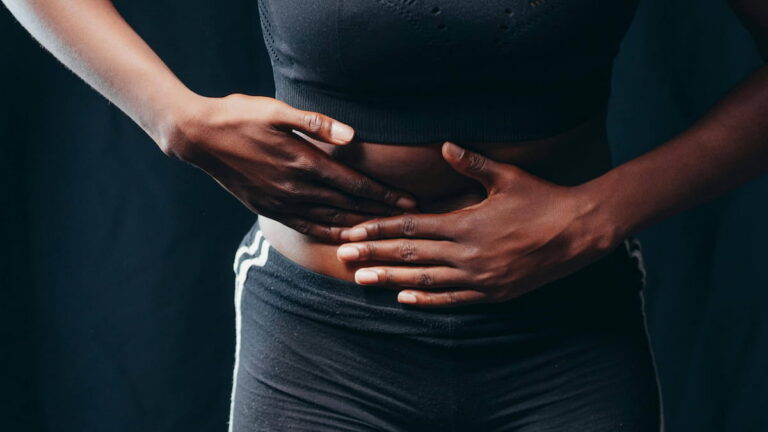
For as long as she can remember, Williams has had painful periods—one of the most common symptoms among women who suffer from fibroids, or noncancerous growths in or on the uterus that can cause heavy menstruation and intense discomfort.
“I think I just kind of diagnosed myself,” she shares.
While her gynecologist eventually confirmed that she did, indeed, have fibroids in 2016, the only treatment option made available to her was a hysterectomy.
“They would tell me we’ll just watch it,” she shares.
By her mid-30s, she was taking prescription painkillers regularly.
“I had those pills with me everywhere,” Williams says. “I could never be caught anywhere without my pain pills. Getting caught in that kind of pain is a disaster.”
Beyond the physical suffering, the emotional toll was heavy.
“It was always an ‘accident run’ to the bathroom,” she remembers. “At times you’re like, Oh my God, I have to clean my pants. You have to take them off at a restaurant, wash them out—crazy stuff. That’s not normal.”

RELATED: What MOST Women Don’t Know About Fibroids
In 2024, Williams decided she needed a different kind of care. A targeted ad on Instagram led her to a fibroid clinic that offered more comprehensive treatment options.
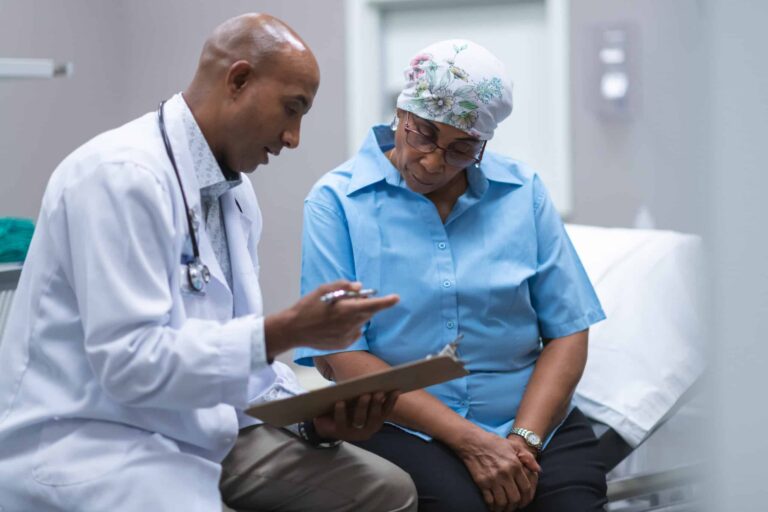
“It was amazing for me because I was able to talk to someone who felt confident that they could treat me,” Williams says, referring to Dr. Taraneh Shirazian, director of the Center for Fibroid Care at NYU Langone.
Dr. Shirazian diagnosed Williams with not only fibroids but also an adenomyoma, where the uterine lining grows into the uterine wall.
“I was the first person to ever tell her [of the condition],” Dr. Shirazian tells SELF. “I could tell when I said it that she never heard about the adenomyoma before, and when you hear something for the first time, you need time to really understand it, think about it, and come to terms with what you want to do.”
“For the first time in my life ever, [I thought,] Why me? Why do I have to [go through] this?” Williams recalls.
Williams opted for uterine-sparing surgery in July 2024.
“I just remember I went into the [operating room] and I started to get a little afraid again,” Williams recalls. “[Dr. Shirazian] held my hand and I was out. I don’t remember much after that, but I remember she held my hand, and that meant so much.”
The operation was a success. Within days, Williams was mobile. In 30 days, she felt like herself again.
“I went through a lot, and you would imagine that I would have access to the best health care—and I did. But I still didn’t have the best health care [until I went to NYU],” Williams shares.
RELATED: Fibroids and Black Women: Is Your Doctor Missing the Signs?

With anywhere from 40 to 80 percent of people with a uterus likely to develop fibroids—and Black women being three times more likely to suffer from them—it’s essential to recognize the signs and fight for proper care. Here are the steps to take:
“As a patient, you have to be your own advocate,” Williams says. “If you don’t know what’s wrong with you in the first place, you never even know to bring it up.”
Track symptoms, ask questions, and don’t accept dismissal from providers. Seek second opinions if necessary.
Seek out doctors and clinics that specialize in fibroid care and understand racial disparities in health care. Use resources like The White Dress Project to find trusted providers.
Don’t settle for a hysterectomy as the only choice. Other treatments include:
Uterine Fibroid Embolization (UFE)
Myomectomy
Radiofrequency ablation
Hormonal management
Complementary care (nutrition, stress reduction)
Bring a list of symptoms, questions, and even someone you trust to appointments. Documentation helps doctors see the full picture.
Find community in online forums or patient advocacy groups. They can provide emotional support and help you stay informed.
Living with chronic pain can take a toll. Talk to a therapist who understands medical trauma and racial health disparities.
Williams hopes that by sharing her journey, others will take steps toward their own healing.
“Make sure you have a doctor that believes in you and that you believe in [them], that’s important,” she says. “You don’t have to settle at all.”


By subscribing, you consent to receive emails from BlackDoctor.com. You may unsubscribe at any time. Privacy Policy & Terms of Service.