Thyroid disorders are among the most common yet least understood chronic health conditions affecting women. For Black women in particular, thyroid disease is frequently missed, misdiagnosed, or dismissed, even when symptoms are disruptive, progressive, and life-altering.
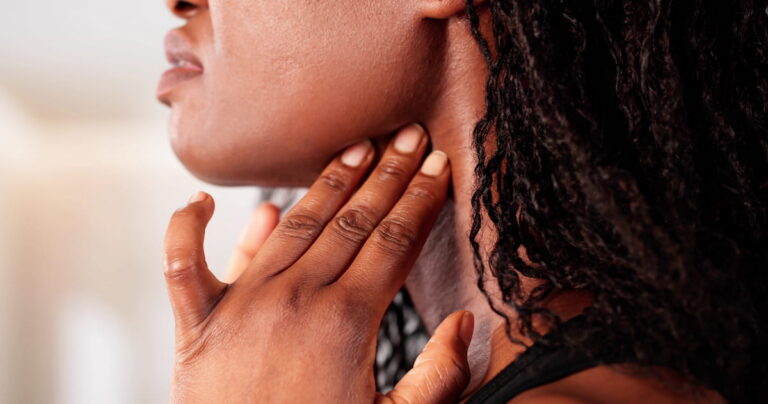
The thyroid—a small, butterfly-shaped gland at the base of the neck—plays a massive role in regulating metabolism, energy, mood, temperature, heart rate, and reproductive health. When it is underactive or overactive, the effects ripple through nearly every system in the body. Yet because symptoms can appear vague, overlapping, or inconsistent, many Black women are told their concerns are “normal,” stress-related, or purely lifestyle-based.
The American Thyroid Association reports that “more than 12 percent of the U.S. population will develop a thyroid condition during their lifetime” and “up to 60 percent of those with thyroid disease are unaware of their condition.” The risk for thyroid complications is even higher in women. A 2021 article in the Journal of the American Medical Association stated that “thyroid dysfunction is more common in women than in men.”
Understanding the Thyroid’s Role in the Body
The thyroid produces hormones—primarily T3 (triiodothyronine) and T4 (thyroxine)—that help regulate how the body uses energy. These hormones influence:
Metabolism and weight regulation
Heart rate and blood pressure
Body temperature
Digestion
Mood and cognitive function
Menstrual cycles and fertility
When thyroid hormone levels are too low or too high, the body struggles to maintain balance. Even subtle disruptions can lead to symptoms that affect daily functioning and long-term health.
Hypothyroidism vs. Hyperthyroidism: What’s the Difference?
Although both are thyroid disorders, hypothyroidism and hyperthyroidism are essentially opposite conditions—and are often confused or overlooked.
Hypothyroidism (Underactive Thyroid)
Hypothyroidism occurs when the thyroid does not produce enough hormones. This leads to a general slowing of bodily processes.
Common symptoms include:
Fatigue and low energy
Weight gain despite no major diet changes
Cold intolerance
Depression or low mood
Dry skin and hair
Constipation
Brain fog or memory issues
Heavy or irregular menstrual cycles
Because these symptoms develop gradually, they are often attributed to aging, stress, or lifestyle—especially in Black women, whose pain and fatigue are routinely normalized or minimized.
These symptoms are often misdiagnosed as anxiety disorders, panic attacks, or cardiovascular issues—without proper thyroid testing. Interventions addressing poor thyroid health can range from oral prescription medication to surgical procedures. Hormone replacement therapies are an option in some instances as well.
Why Symptoms in Black Women Are Often Dismissed
The misdiagnosis of thyroid disorders in Black women is not accidental. It is rooted in medical bias, racialized assumptions, and gaps in clinical research.
Symptom Overlap with “Stress” and “Lifestyle” Labels
Fatigue, weight changes, mood shifts, and sleep problems are frequently attributed to:
Stress
Depression or anxiety
Poor diet
Lack of exercise
For Black women, these explanations are often offered prematurely, without adequate testing. The assumption that symptoms are behavioral rather than biological delays diagnosis and treatment.
Weight Bias and Racial Stereotypes
Weight gain—one of the most common symptoms of hypothyroidism—is especially likely to be dismissed in Black women. Instead of investigating hormonal causes, providers may default to:
Diet advice
Exercise recommendations
Moralizing language about “self-care”
This not only delays care but reinforces stigma that discourages patients from returning for follow-up.
Pain and Symptom Minimization
Research consistently shows that Black patients are less likely to have their pain and discomfort taken seriously. Subtle thyroid symptoms—like joint pain, palpitations, or cognitive changes—may be downplayed until the condition becomes severe.
The Impact of Thyroid Disorders on Key Areas of Health
Weight and Metabolism
Thyroid hormones directly influence how the body uses calories. When levels are off, weight changes can occur even with consistent eating and activity patterns. This can be deeply frustrating for patients who are blamed for changes they cannot control.
Mood and Mental Health
Both hypo- and hyperthyroidism can mimic or worsen mental health conditions:
Hypothyroidism is associated with depression, low motivation, and brain fog
Hyperthyroidism is associated with anxiety, irritability, and panic
Without proper testing, patients may be prescribed psychiatric medications without addressing the underlying hormonal issue.
Fertility and Reproductive Health
Thyroid disorders can interfere with:
Ovulation
Menstrual regularity
Pregnancy outcomes
Undiagnosed thyroid disease increases the risk of infertility, miscarriage, preterm birth, and postpartum complications—yet thyroid testing is not always standard in fertility or prenatal evaluations.
Heart Health
An overactive thyroid can strain the heart, increasing the risk of arrhythmias and high blood pressure. An underactive thyroid can contribute to elevated cholesterol and cardiovascular disease. These risks are especially concerning given existing disparities in Black women’s heart health.
Because thyroid symptoms are often dismissed, self-advocacy becomes a critical tool—not because patients should have to fight for care, but because the system often requires it.
When to Ask for Thyroid Testing
Consider requesting thyroid testing if you experience:
Persistent fatigue that doesn’t improve with rest
Unexplained weight changes
Mood changes alongside physical symptoms
Irregular periods or fertility challenges
Heart palpitations or temperature intolerance
What Tests to Request
A comprehensive thyroid evaluation may include:
TSH (thyroid-stimulating hormone)
Free T4
Free T3
Thyroid antibodies (to assess autoimmune conditions like Hashimoto’s or Graves’ disease)
Relying on a single TSH test can miss important nuances, especially in early or atypical presentations.
How to Advocate Effectively
Document symptoms over time, not just on “bad days”
Be specific about functional impact (work, sleep, daily life)
Ask directly: “Can we rule out a thyroid issue with labs?”
Request copies of lab results and ask for explanations
Advocacy is not confrontation—it is collaboration grounded in informed questions.
Why Awareness Alone Isn’t Enough
Improving thyroid outcomes for Black women requires more than patient education. It demands:
Provider training on bias and symptom recognition
More inclusive clinical research
Standardized screening protocols
Accountability when concerns are dismissed
Awareness empowers patients—but systemic change is necessary to reduce the burden of self-advocacy placed on those already navigating chronic symptoms.
Reclaiming Trust in Your Body
Black women are often taught to doubt their bodies—to push through fatigue, ignore discomfort, and accept dysfunction as normal. Thyroid disorders expose the danger of that conditioning.
If something feels off, it deserves investigation. If symptoms persist, they deserve explanation. And if care is delayed or denied, seeking a second opinion is not disloyal—it is lifesaving.
BlackDoctor is the world’s largest and most comprehensive online health resource specifically for the Black community. BlackDoctor understands that the uniqueness of Black culture - our heritage and our traditions - plays a role in our health. BlackDoctor gives you access to innovative new approaches to the health information you need in everyday language so you can break through the disparities, gain control and live your life to its fullest.
✦ AI Search Disclaimer This AI-powered search tool helps you find relevant health articles from the BlackDoctor.org archive. Please keep the following in mind:
✦ For Informational Purposes Only The information provided through this AI search is for general educational and informational purposes only. It is not intended as a substitute for professional medical advice, diagnosis, or treatment.
✦ Always Consult a Healthcare Provider Never disregard professional medical advice or delay seeking it because of something you have read through this search tool. If you have a medical emergency, call your doctor or 911 immediately.
✦ AI Limitations This search tool uses artificial intelligence to help match your queries with articles in our archive. While we strive for accuracy, AI-generated results may occasionally be incomplete, outdated, or not fully relevant to your specific situation.
✦ No Doctor-Patient Relationship Using this search tool does not create a doctor-patient relationship between you and BlackDoctor.org or any healthcare provider.
Explore over 35,000 articles and videos across black health, wellness, lifestyle and culture