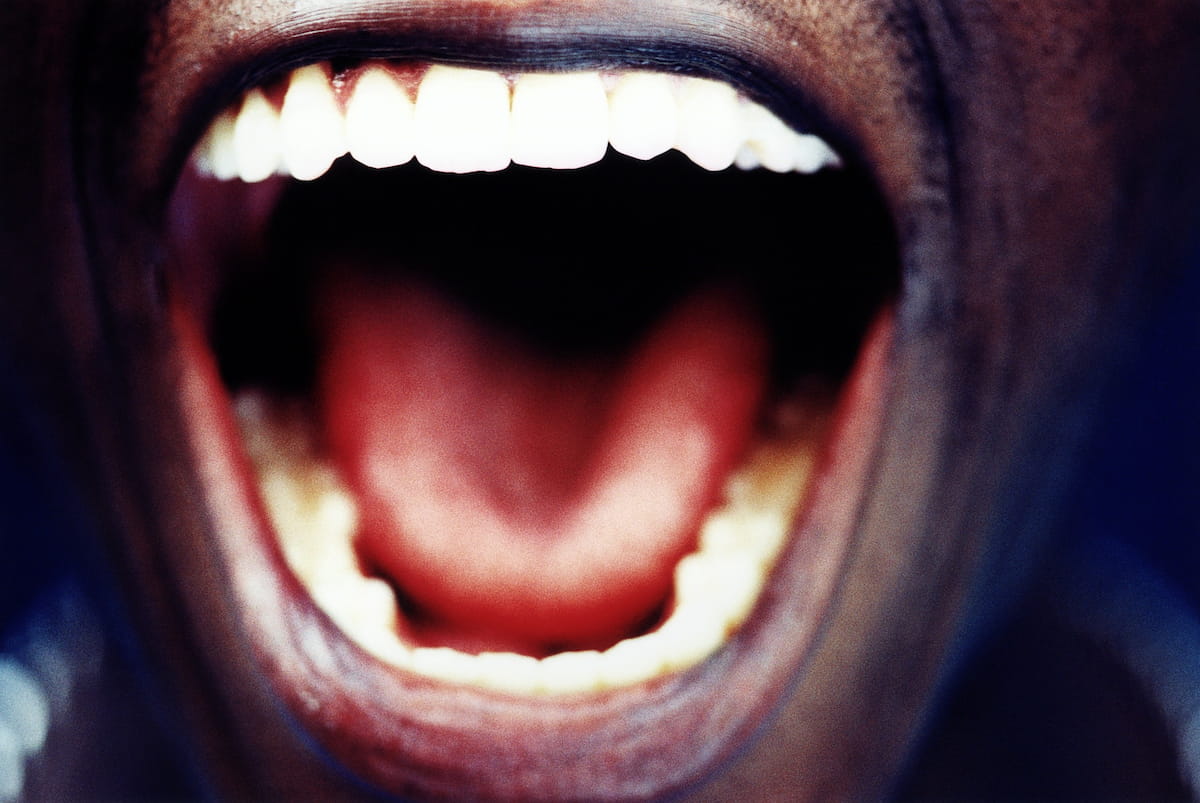
 You can notice signs of HIV on the tongue during the early and late stages of the infection with the virus. An acute HIV infection can have various manifestations in the mouth and on the tongue. These mouth and tongue HIV symptoms occur due to the virus’s attack on the immune system, which weakens it and allows infections to occur. These infections all have their own characteristics and particular treatment methods.
Early-stage HIV can show up on the tongue, the gums, and the inside of the mouth. If you start noticing unusual changes in your mouth, then it’s essential to follow up on this with your healthcare provider. HIV tongue symptoms can include:
Oral Candidiasis, a fungal infection of the mouth, tongue, and throat, is also referred to as oral thrush. Candidiasis usually resembles red patches on the tongue with white lumps on them. These patches can form anywhere in the mouth and on the tongue and can cause a burning sensation. If you wipe or brush away these sores, they typically start bleeding. You may also notice painful cracks at the corners of your mouth and experience pain when swallowing. As the immune system is compromised due to an HIV infection, the fungus can grow, causing this HIV symptom on the tongue.
Also called aphthous ulcers, these are small, round, painful sores that can be found underneath the tongue, in the back of the throat, or on the inside of the cheeks or the lips. They usually look red, with a gray or white dot in the middle of the sore. These sores can usually be provoked by stress or after eating certain foods.
Like many other conditions on this list, hairy leukoplakia is more likely to occur in those with reduced immune systems. This ailment is triggered by the same virus that can lead to mono, the Epstein-Barr virus.
Oral hairy leukoplakia gets its name from the white, hairy patches in your mouth. These are most likely to occur on your tongue but can appear elsewhere.
According to Johns Hopkins Medicine, the symptoms of oral hairy leukoplakia include:
Steps to help avoid leukoplakia:
Kaposi sarcoma (KS) is a cancer that can develop in the mouth, causing lesions on the mucous membranes. These lesions can appear as flat, painless patches or nodules that are red, purple, pink, brown, black, or bluish. While not always painful initially, they can become raised, form open wounds, and potentially bleed or cause difficulty chewing or speaking. In more advanced cases, KS can affect other parts of the body like the skin, lymph nodes, and lungs.
Oral Kaposi Sarcoma (OKS) Symptoms:
In HIV patients, oral warts, caused by human papillomavirus (HPV), can appear as small, white, gray, or pinkish bumps, sometimes resembling a cauliflower-like growth. These warts can occur anywhere inside the mouth and are generally painless, but they can be bothersome and may bleed if irritated or picked at.
Appearance:
Gum disease is more common in those with HIV due to a weakened immune system. The discomfort and irritation caused by gum disease can lead to swelling or pain.
Because of these factors, it’s especially important for those with HIV to practice good dental hygiene. Gum disease can often be both treated and prevented by following a simple routine and sticking to it.
Simple tips to avoid gum disease:

An HIV tongue with sores is usually due to a viral infection with Herpes. This causes red sores, which can be found inside the mouth or on the lips.
Besides these signs of HIV on the tongue, there are also other symptoms of the mouth that may point to an early HIV infection. HIV often causes a dry mouth due to a lack of saliva production. Saliva is vital to your oral health, as it protects your teeth and gums from decay and infections. Gum disease can also occur and can cause your gums to swell and loosen up. This eventually leads to the loss of teeth and high levels of inflammation throughout the body.


By subscribing, you consent to receive emails from BlackDoctor.com. You may unsubscribe at any time. Privacy Policy & Terms of Service.