
If you’ve been comparing tirzepatide vs semaglutide and hearing names like Ozempic, Wegovy, Mounjaro, or Zepbound everywhere, you’re not alone.
It may seem like these weight loss injectables are interchangeable, but understanding the difference between tirzepatide vs semaglutide is important before deciding what’s right for you.
Here’s the short answer upfront—before you visit your doctor’s office:
Both tirzepatide and semaglutide can lead to significant weight loss, but tirzepatide generally produces greater weight loss in more people, according to clinical trials.
That doesn’t mean it’s automatically the better choice. And that’s where the confusion comes in.
If you’re trying to decide between tirzepatide vs semaglutide for weight loss, worried about the side effects of the medications, or just want a clear explanation, let’s break it down.
Before we get into details, here’s the big-picture difference:
Semaglutide targets one hormone involved in appetite regulation
Tirzepatide targets two hormones, which may explain why it works more powerfully for some people
Both medications are:
Both help reduce appetite and improve blood sugar control. But they are not identical.
RELATED: Why Your Blood Sugar Spikes Even When You Eat “Healthy”
Tirzepatide is a dual GIP/GLP-1 agonist, a class of medication used to manage blood sugar and support weight loss. It’s a prescription injectable taken once a week.
The Mayo Clinic notes that it works best when combined with lifestyle changes, including healthy eating and regular physical activity.
What makes tirzepatide different is that it targets two hormones involved in blood sugar control and appetite regulation. Together, these effects help:
Lower blood sugar
Reduce appetite
Help people feel full sooner and longer
Tirzepatide is FDA-approved for:
Type 2 diabetes (Mounjaro)
Chronic weight management (Zepbound)
Bottom line: Tirzepatide works on more than one appetite-related pathway, which may explain why it leads to greater weight loss for some people.
Semaglutide is a prescription injectable medication that helps regulate appetite and blood sugar. It’s a GLP-1 agonist, taken once weekly, and approved for both type 2 diabetes and long-term weight management, according to The Mayo Clinic Diet.
Semaglutide works by mimicking a naturally occurring hormone that:
Slows digestion
Reduces appetite
Helps you feel full longer
Improves how the body uses insulin
Semaglutide is FDA-approved for:
Type 2 diabetes (Ozempic)
Chronic weight management (Wegovy)
Bottom line: Semaglutide helps people eat less by signaling fullness and slowing digestion, which can lead to steady, sustained weight loss.
While both medications affect appetite and blood sugar, tirzepatide and semaglutide are not the same—and those differences matter for weight loss results, side effects, and tolerability.
Important: The FDA warns about serious risks linked to unapproved or compounded GLP-1 drugs. Always obtain these medications through a prescription from your doctor and fill it at a state-licensed pharmacy.
RELATED: How to Eat Smart on Weight Loss Drugs
This is the question that most people are really asking.
In large, head-to-head studies, according to the National Library of Medicine:
Semaglutide: Average weight loss of ~15% of body weight
Tirzepatide: Average weight loss of ~20–22% of body weight
That’s a meaningful difference, but these averages don’t tell the whole story.
Key takeaway:
Tirzepatide tends to produce greater weight loss overall, but individual response varies.
Some people lose substantial weight on semaglutide and don’t tolerate tirzepatide well. Others plateau on semaglutide and do better on tirzepatide.
Most people lose 20 pounds on tirzepatide in about 3 to 6 months, though timelines vary based on starting weight, dose progression, and individual metabolism.
Weight loss often begins within the first 4–8 weeks
Faster loss usually happens after reaching therapeutic doses
People with a higher starting weight may see quicker early results
In clinical studies summarized by the National Library of Medicine, participants lost an average of 15–22% of their body weight over 12–18 months, meaning a 20-pound loss may occur earlier or later depending on individual response and adherence.
Please note: It’s important to note that tirzepatide is designed for steady, sustained weight loss, not rapid drops on a fixed timeline.
Both medications have similar side effects because they affect digestion and appetite.
Nausea
Vomiting
Diarrhea
Constipation
Abdominal discomfort
Reduced appetite
These are most common during dose increases, not long-term use.
The drawback of tirzepatide, according to Mayo Clinic, is that it may cause more gastrointestinal side effects initially, especially at higher doses
Semaglutide is often described as slightly easier to tolerate early on, says Mayo Clinic Diet
Important: Side effects are dose-dependent. Starting low and increasing slowly improves tolerance.
Red-flag symptoms (rare but serious, per Mayo Clinic):
Persistent severe abdominal pain
Signs of pancreatitis
Gallbladder issues
Seek medical care immediately if these occur.
RELATED: Considering Weight Loss Medication? How to Know Which One is Right for You
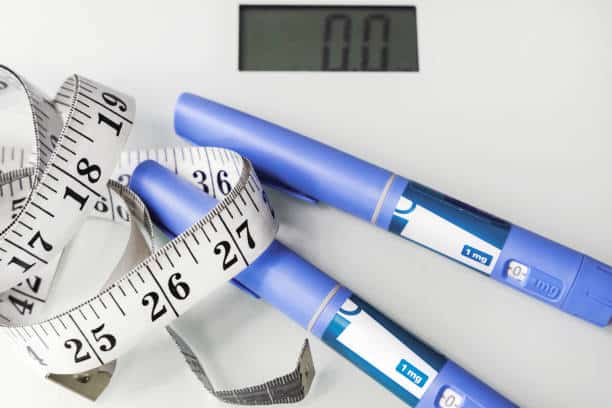
Both medications are injected once weekly and started at low doses, says Mayo Clinic.
Semaglutide (Wegovy):
Starts at 0.25 mg weekly
Gradually increased to 2.4 mg weekly
Tirzepatide (Zepbound):
Starts at 2.5 mg weekly
Gradually increased to 10–15 mg weekly
Key takeaway:
Slower dose increases = fewer side effects and better tolerance.
Your provider should never rush dosing just to “get results faster.”
When comparing tirzepatide vs semaglutide, cost and insurance coverage often play a major role.
Semaglutide: ~$900–$1,300 per month
Tirzepatide: ~$1,000–$1,400 per month
Coverage varies widely
Some plans cover one but not the other
Diabetes diagnoses are often approved more easily than weight-loss-only use
Reality check:
Many patients choose based on what insurance will actually cover, not what looks best on paper.
RELATED: Health Insurance Mistakes Black Folks Should Avoid This Year
There’s no universal winner, according to PubMed’s review, but here are some things to think about when considering tirzepatide vs semaglutide:
Tirzepatide may be better if you:
Have significant weight to lose
Didn’t respond well to semaglutide
Have insulin resistance or type 2 diabetes
Semaglutide may be better if you:
Want a longer safety track record
Are sensitive to GI side effects
Have better insurance coverage for it
Bold truth:
The “best” medication is the one you can tolerate, afford, and stay on consistently.
You should talk to a healthcare provider if:
You’re considering weight loss medication
You’ve struggled with obesity-related conditions
You’re experiencing side effects that interfere with daily life
You stop losing weight unexpectedly or feel unwell
These medications require ongoing monitoring. Again, please make sure to obtain a prescription from your doctor and fill the prescription at a state-licensed pharmacy.


By subscribing, you consent to receive emails from BlackDoctor.com. You may unsubscribe at any time. Privacy Policy & Terms of Service.