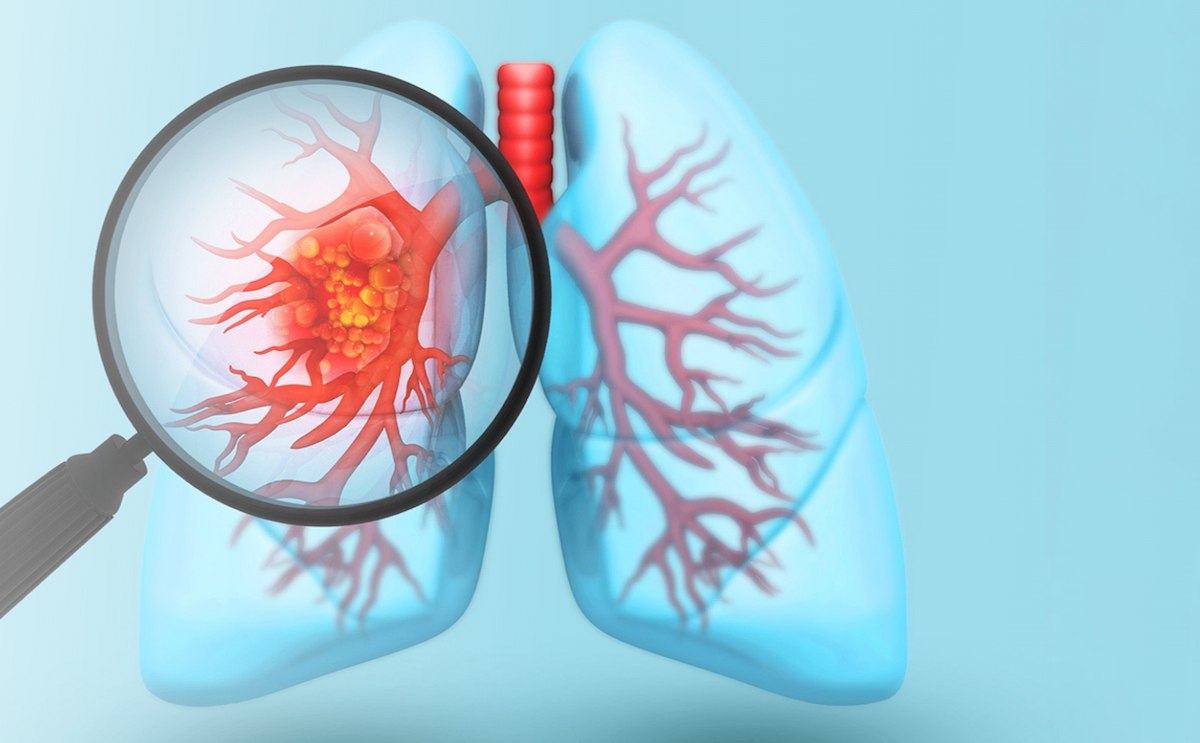
Hypertension and pre-hypertension have become increasingly common, particularly in Western countries where processed diets and high-stress lifestyles seem to dominate, whether we like it or not!
As a matter of fact, the numbers are pretty alarming. Millions upon millions of people suffer from high blood pressure, which is quietly raising their risks for heart disease, stroke, kidney issues, and many other potentially life-threatening conditions.
Even people with stage 1 hypertension (systolic 130–139 mmHg or diastolic 80–89 mmHg) are at risk if they don’t address their blood pressure. Individuals at this stage may be prescribed medication, but it turns out that lifestyle changes can have remarkable benefits. In some cases, the right lifestyle tweaks can even reverse the condition.
Whether it’s relaxation techniques, certain foods, or supplements, supporting blood pressure management has never been easier. And we have modern science and traditional practices to thank!
Looking for simple, home-based tools to address your blood pressure before it gets worse?
This article will give you it all…
RELATED: Why High Blood Pressure Is So Dangerous and What You Can Do About It
This is basically a fancy term for gripping something without movement. Isometric handgrip training (IHT) is beneficial because it triggers vascular adaptations that reduce resting blood pressure. Various studies show that regular IHT can lower systolic blood pressure by ~5–8 mmHg and diastolic by ~3–5 mmHg. This is similar to the benefits seen during aerobic exercise – but in far less time.
Ready to get started? All you need is eight minutes per day in four two-minute sessions. Before you begin, ensure you have a handgrip dynamometer. Most affordable models cost between $20 and $50. Alternatively, you can use an adjustable gripper.
When performing this exercise, test your maximal voluntary contraction (MVC). You do this by squeezing as hard as possible for three to five seconds, and then noting the reading.
Once you know your MVC, you want to perform at 30 percent of it. In other words, multiply that number by three. This is a safe, effective intensity, according to most studies. Targeting this intensity, go through four sets of two-minute holds, with one-minute rest between sets. You should aim to alternate hands for balanced results.
If you do this three to five times per week, or every day, you’ll get optimal benefits. In fact, just two or three sessions weekly have been shown to yield measurable results.
It might not sound like much, but studies confirm that this protocol reduces office systolic BP significantly after four to 12 weeks. One randomized controlled trial found that hypertensive patients showed meaningful drops with low-intensity holds. As always, track your progress as you go. You may be surprised to see five to 10 mmHg systolic reductions in eight weeks.
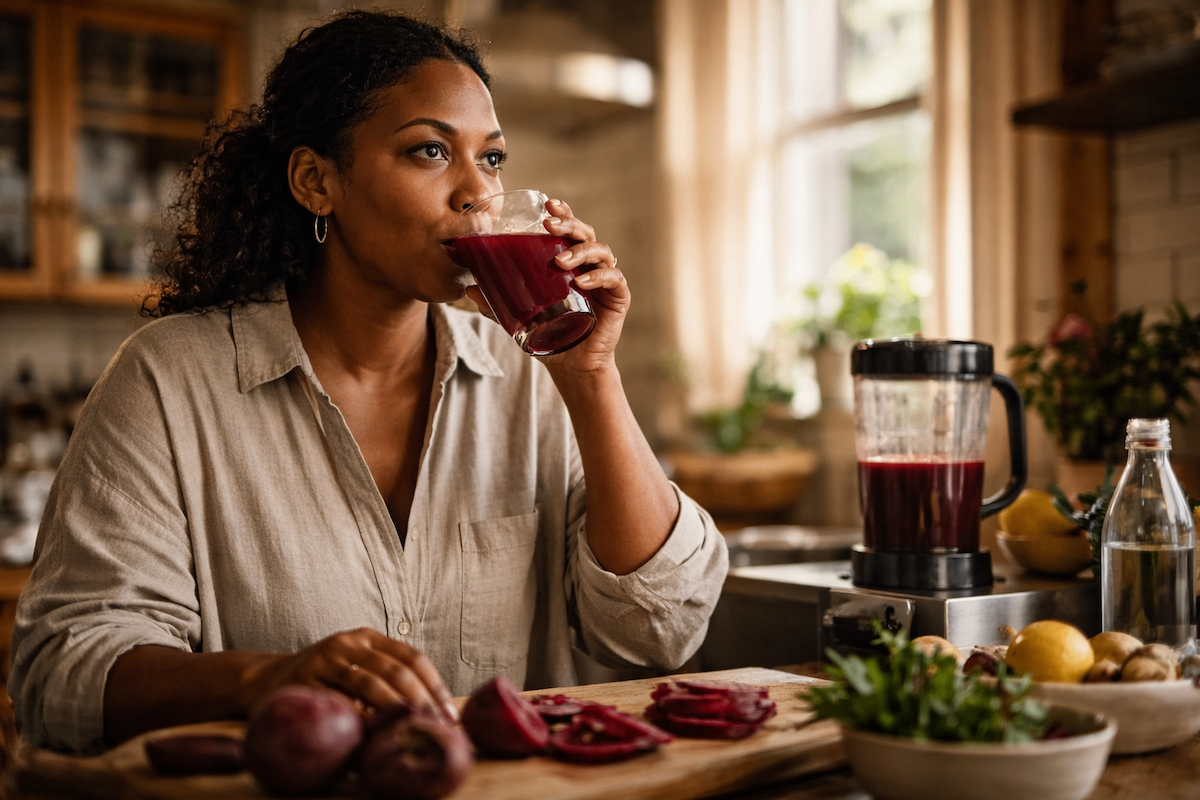
Nitrate is powerful when it comes to blood pressure. The science is pretty straightforward. Dietary nitrates convert to nitric oxide, which relaxes blood vessels and improves flow. Beetroot juice is one of the best sources for this. Meta-analyses consistently show systolic improvements of four to eight mmHg, ranging from 200 to 800 mg of nitrates daily.
For beetroot juice, you want to consume 250 to 500 mL per day. That’s roughly 200 to 400 mg of nitrates. Don’t settle for subpar. Your health deserves the best, so opt for pure, nitrate-rich brands like Biotta and Lakewood, and drink in the morning for the best results throughout the day.
You can also eat whole beets, just one to two medium beets, roasted or grated daily. And if beets aren’t your thing, you’re in luck. Other great sources of nitrate include arugula, spinach, lettuce, celery, and radishes, which are all easily incorporated into salads and smoothies.
Last but not least, consider supplements if you can’t get the dietary form first. Beetroot powder in 400 mg nitrates/serving is ideal if you don’t like the taste of the juice.
Recent literature reviews show just how beneficial beets are for blood pressure. Clinical systolic readings decrease by ~five mmHg in people with hypertension, and when paired with vitamin-C-rich foods like oranges and hot peppers, work even better.
You’ll typically notice benefits within one to four weeks, with continued use increasing measurable impacts further. Oh, and if you’re an athlete or enjoy working out? Nitrates support exercise performance and cardiovascular health incredibly well, too!
Take a breather, they say.
Well, turns out they’re quite right. Slow, paced breathing, also known as coherent or resonant breathing, is breathing that is performed at ~six breaths per minute. Because it’s so slow, it activates the parasympathetic system, boosts baroreflex sensitivity, and lowers sympathetic drive.
What does all that mean?
Let’s look at one aspect in particular. The baroreflex sensitivity is especially important because this refers to a mechanism by which your body regulates blood pressure through the detection of ‘stretching.’
In this case, we’re not talking about your normal body stretches, but rather, the stretching of your carotid arteries and aorta. When this stretching is detected, your body automatically adjusts your heart rate and your vascular resistance, which is the force in your vessels opposing blood flow. The less of this force, the lower your blood pressure.
Studies show just 10–15 minutes of coherent breathing per day can reduce systolic BP by four to 10 mmHg over weeks.
Here’s how to do it:
Evidence shows that slow breathing is highly useful for hypertension management. Even with short-term use, people with hypertension see reductions of nearly 10 mmHg systolic.

RELATED: Mediterranean vs. DASH: Which Diet Will Save Your Heart?
If you haven’t heard of the DASH diet, now’s the time to get informed!
Overall, the DASH diet emphasizes potassium, magnesium, and calcium while limiting sodium. This is linked to significant blood pressure drops, as high as 14 mmHg. One of the main reasons for this is that potassium counters sodium’s effects, relaxing your blood vessels.
And the good news is, you don’t need to totally overhaul your diet. Rather, you can implement strategic tweaks to get the most out of your daily eating. For starters, aim for ~4,500 mg of potassium per day. Your best sources of this are bananas, sweet potatoes, spinach, avocado, beans & lentils, and yogurt. Foods like beans & lentils contain 600+ mg per cup, while spinach and avocado can yield up to 800 mg per serving.
If you’re not sure how to work these foods into your daily meals, it’s not difficult. For breakfast, enjoy a delicious banana smoothie containing bananas, spinach, and yogurt. For lunch, a nice salad of greens, beans, and avocado will definitely do the trick. And for dinner? Consider a baked sweet potato with salmon.
However you choose to mix and match, don’t forget to limit your sodium. You want less than 2,300 mg per day, and ideally, ~1,500 mg if you’re hypertensive.
But don’t worry, you don’t have to change overnight. Add in these food items gradually, and while you work toward your goals, try to slowly reduce processed foods. That means fewer canned meals, fewer microwave meals, and of course, fewer fast food restaurants!
At the end of the day, it’s about figuring out what works for you. After all, we’re all different. If you’re in stage 1 of hypertension or have prehypertension, the approaches in this article are geared toward you. Just make sure you monitor your blood pressure weekly. If your systolic pressure drops below 130 mmHg consistently and stays there, talk to your doctor about tapering your medication.
Never stop suddenly.
And of course, always alert your doctor about negative changes in your blood pressure. If your blood pressure remains above 140/90 mmHg despite two to three months of changes, seek medical advice. Symptoms like headaches, dizziness, or chest pain are cause for immediate medical attention, particularly if you have diabetes, kidney issues, or heart disease.
For a simple daily plan, begin your mornings with 10 minutes of coherent breathing and beetroot juice with your meal. Whenever it is convenient during your day, incorporate eight to 12 minutes of handgripping.
Most importantly of all, focus on more potassium and less sodium with DASH diet tweaks. If you work these natural remedies together for several months, you are almost guaranteed to see significant results that last!


By subscribing, you consent to receive emails from BlackDoctor.com. You may unsubscribe at any time. Privacy Policy & Terms of Service.