Did you know that keeping an eye on your blood pressure could be a game-changer in preventing uterine fibroids, especially for Black women? Recent research has uncovered a strong connection between high blood pressure and the development of these pesky growths, particularly among women in their middle years. Here’s what you need to know and some tips you can easily incorporate into your daily routine to protect yourself.
Understanding Uterine Fibroids
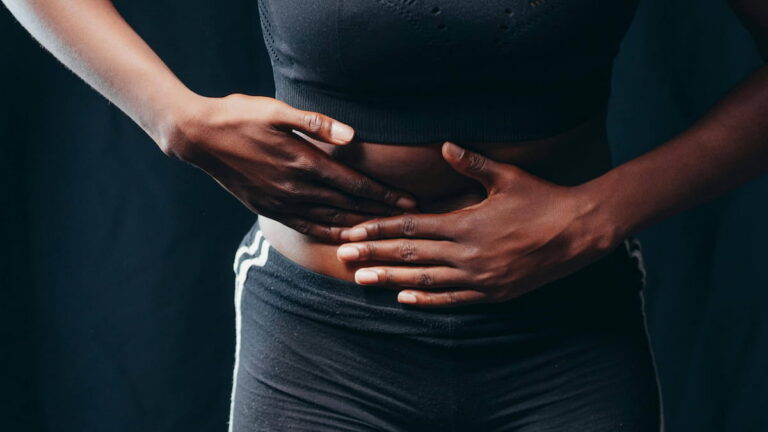
Uterine fibroids are non-cancerous growths that can appear in your uterus, affecting a whopping 80 percent of Black women by the time they hit 50. While they’re not dangerous, they can bring on pain, heavy bleeding, and other uncomfortable symptoms. Sadly, there’s no surefire way to prevent them from popping up.
What the Study Found
A recent study tracked over 2,500 women in the U.S. for up to 17 years. At the start, none of these women had fibroids, but by the end, about 20 percent of them did. The researchers discovered something fascinating: high blood pressure seemed to play a big role.
Featured on BlackDoctor
How Your Blood Pressure Affects Fibroids
Women with untreated high blood pressure were 19 percent more likely to develop fibroids, compared to those with treated hypertension, who had a 20 percent lower risk. This means that managing your blood pressure could potentially lower your risk of dealing with fibroids down the road.
Tips for Managing Your Blood Pressure
Here are some simple tips you can incorporate into your daily life to help keep your blood pressure in check:
1. Eat a balanced diet
Focus on fruits, vegetables, whole grains, and lean proteins. Limit your intake of salt, sugar, and saturated fats.
2. Get moving
Regular physical activity can help lower your blood pressure. Aim for at least 150 minutes of moderate exercise each week.
Too much alcohol can raise your blood pressure. If you drink, do so in moderation.
5. Manage stress
Stress can contribute to high blood pressure. Find healthy ways to relax and unwind, such as yoga, meditation, or
spending time with loved ones.
The Impact on Black Women
These findings are particularly relevant for Black women, who are disproportionately affected by both high blood pressure and uterine fibroids. According to the American Heart Association, Black women have higher rates of high blood pressure compared to other racial and ethnic groups in the United States. This means that managing blood pressure is even more crucial for us.
Additional Factors to Consider
In addition to managing your blood pressure, other factors may help reduce your risk of developing fibroids:
Some studies suggest that caffeine intake may be linked to an increased risk of fibroids. Consider reducing your caffeine consumption.
Avoid endocrine-disrupting chemicals
Certain chemicals found in plastics, pesticides, and cosmetics may disrupt hormone balance and contribute to fibroid growth. Opt for BPA-free products and choose organic produce when possible.
Consider your reproductive history
Women who have given birth may have a lower risk of developing fibroids. If you haven’t had children and are considering it, talk to your healthcare provider about the potential benefits.
Stay informed
Stay up-to-date with the latest research and recommendations regarding fibroids and blood pressure. Knowledge is power, and being informed can help you make the best choices for your health.
By keeping an eye on your blood pressure and making healthy lifestyle choices, you can potentially reduce your risk of developing uterine fibroids. Talk to your healthcare provider about how you can best manage your blood pressure and protect your overall health. Remember, small changes can add up to big benefits when it comes to your health.
BlackDoctor is the world’s largest and most comprehensive online health resource specifically for the Black community. BlackDoctor understands that the uniqueness of Black culture - our heritage and our traditions - plays a role in our health. BlackDoctor gives you access to innovative new approaches to the health information you need in everyday language so you can break through the disparities, gain control and live your life to its fullest.
✦ AI Search Disclaimer This AI-powered search tool helps you find relevant health articles from the BlackDoctor.org archive. Please keep the following in mind:
✦ For Informational Purposes Only The information provided through this AI search is for general educational and informational purposes only. It is not intended as a substitute for professional medical advice, diagnosis, or treatment.
✦ Always Consult a Healthcare Provider Never disregard professional medical advice or delay seeking it because of something you have read through this search tool. If you have a medical emergency, call your doctor or 911 immediately.
✦ AI Limitations This search tool uses artificial intelligence to help match your queries with articles in our archive. While we strive for accuracy, AI-generated results may occasionally be incomplete, outdated, or not fully relevant to your specific situation.
✦ No Doctor-Patient Relationship Using this search tool does not create a doctor-patient relationship between you and BlackDoctor.org or any healthcare provider.
Explore over 35,000 articles and videos across black health, wellness, lifestyle and culture