Writer and Director, Mai Sennaar is an alum of the Tisch School of the Arts. In 2012, at the age of 19, her first play, The Broken Window Theory, premiered at the famed Nuyorican Poets’ Cafe in New York City starring Tony award-winner Tonya Pinkins and was directed by Tony award-nominee Michele Shay.
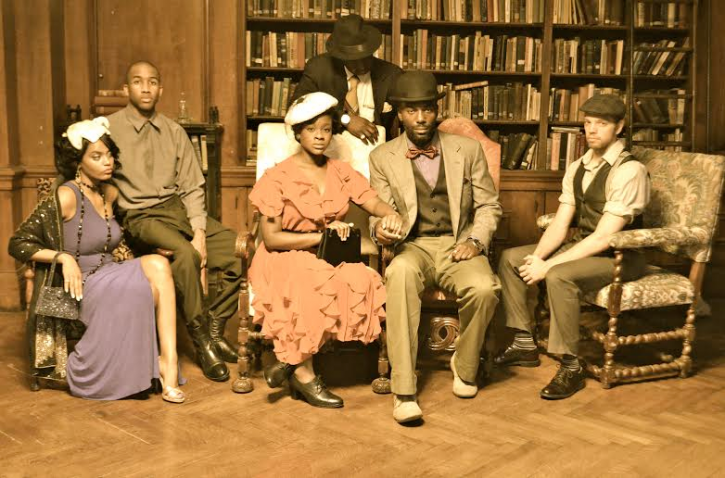
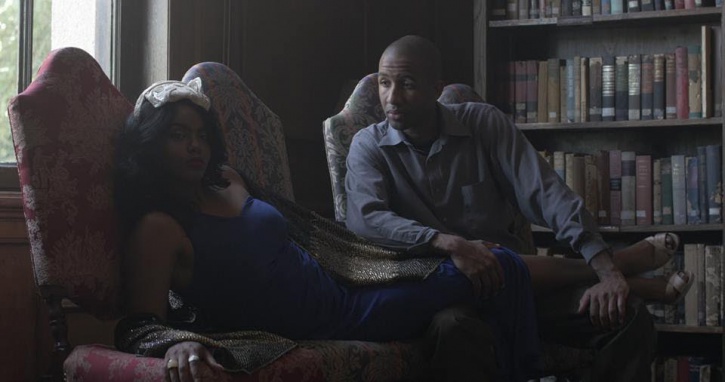
Her latest play The Fall of the Kings, a 2014 Atlanta Black Theatre Festival selection, tells the story of an African-American heiress and her Caribbean husband fighting to sustain their family in the midst of an economic disaster. The play is about class and differences within the African diaspora, about colorism within the African-American community, female identity, mental health and resilience.
The Fall of the Kings, produced by Walter E. Puryear, III, opens September 5, 2015 in New York City and features an award-winning production team hailing from Broadway, film and television. Choreographer, Dyane Harvey-Salaam’s credits include The Wiz (original stage and film versions) and the classic Spike Lee film School Daze. Set designer, Christopher Cumberbatch’s, work has appeared both in theater and in the Spike Lee films Crooklyn and Malcolm X. Composer Diana Wharton was a founding member of Sweet Honey in The Rock and composer for Ntozake Shange’s Broadway hit For Colored Girls.
BlackDoctor.org recently spoke with Sennaar to learn more about the production.
BDO: Please share the inspiration behind The Fall of the Kings?
MS: The Fall of the Kings is the first in a trilogy of plays that explores black presence and identity across the African diaspora during World War II. It follows the story of a black ballerina, the daughter of a black American heiress and a Cuban father. She comes into womanhood in Boston during her family’s battle over her dying grandfather’s estate. I’m fascinated by the ways in which the human spirit manifests and develops when in collision with conflict. I was also inspired to write the play after reading the seminal work of Djibril Tasmir Niane, Sundiata, which explores the life and times of the Malian king Sundiata Keita. The production has an array of influences including American cinema from the Golden Age of Hollywood and iconic black music, most notably Miles Davis’ Sketches of Spain, Marvin Gaye’s I Want You album and Soro by Salif Keita. I wanted to tell a story that explored the ways in which shared traditions of identity across the African diaspora persist throughout history. I also wanted to tell a story about family conflict, gender roles, sexuality, and spirituality in a time when women were particularly repressed. The Fall of the Kings is all these things.
BDO: Your first play, The Broken Window Theory, focused on a visual artist coming to terms with Huntington’s Disease, a neurodegenerative genetic disorder, and the turbulence it causes in her relationship with her only son. As a writer and director, what role do you feel the arts plays in the conversation around mental health?
MS: In the play, during the graffiti movement of the late 1970s, a black graffiti artist son struggles to help his single mother, who is a classically trained artist, suffering from Huntington’s disease. The two must find new ways to communicate and mend their strained relationship as the mother progressively loses her ability to speak and to paint. To understand more about Huntington’s, I reached out to several organizations that deal specifically with this disease. The Baltimore Huntington’s Disease Center at Johns Hopkins Hospital was an excellent resource. A specialist gave me an inside perspective on how mental illness impacts family dynamics on a daily basis and how increased awareness about mental illness empowers the larger community. The more that the conversation on mental and emotional health finds its way into our communities, the easier it becomes for families and patients to seek the help they need without a sense of shame or fear of being judged. Art can be an excellent tool in the combat against stigma.
BDO: In your latest play, The Fall of The Kings, what compelled you to explore mental health and feminine identity from a 1940s perspective?
MS: I wanted to explore the implications of pressure to suppress one’s identity and pain at an earlier time in American history. Black women have not always been included in the conversations on mental health in our nation. The arts helps to shine a necessary spotlight on the subject of mental illness in the lives of people that may be overlooked.
BDO: What will audience members experience when they come to see The Fall of the Kings? What do think this play will teach us?
MS: As an immersive theater production, audience members will have the unique opportunity to physically enter the home and lives of the Kings. Our play is being staged at the New York City historic landmark and New York Times-celebrated arts venue The Andrew Freedman Home. Audiences will be immersed into the grand and sprawling set. They will interact with the cast and they will be moved by the symbiosis of dance, music and sprit.
Check out the official trailer below and visit http://thefallofthekings.com/ for tickets and information.


By subscribing, you consent to receive emails from BlackDoctor.com. You may unsubscribe at any time. Privacy Policy & Terms of Service.