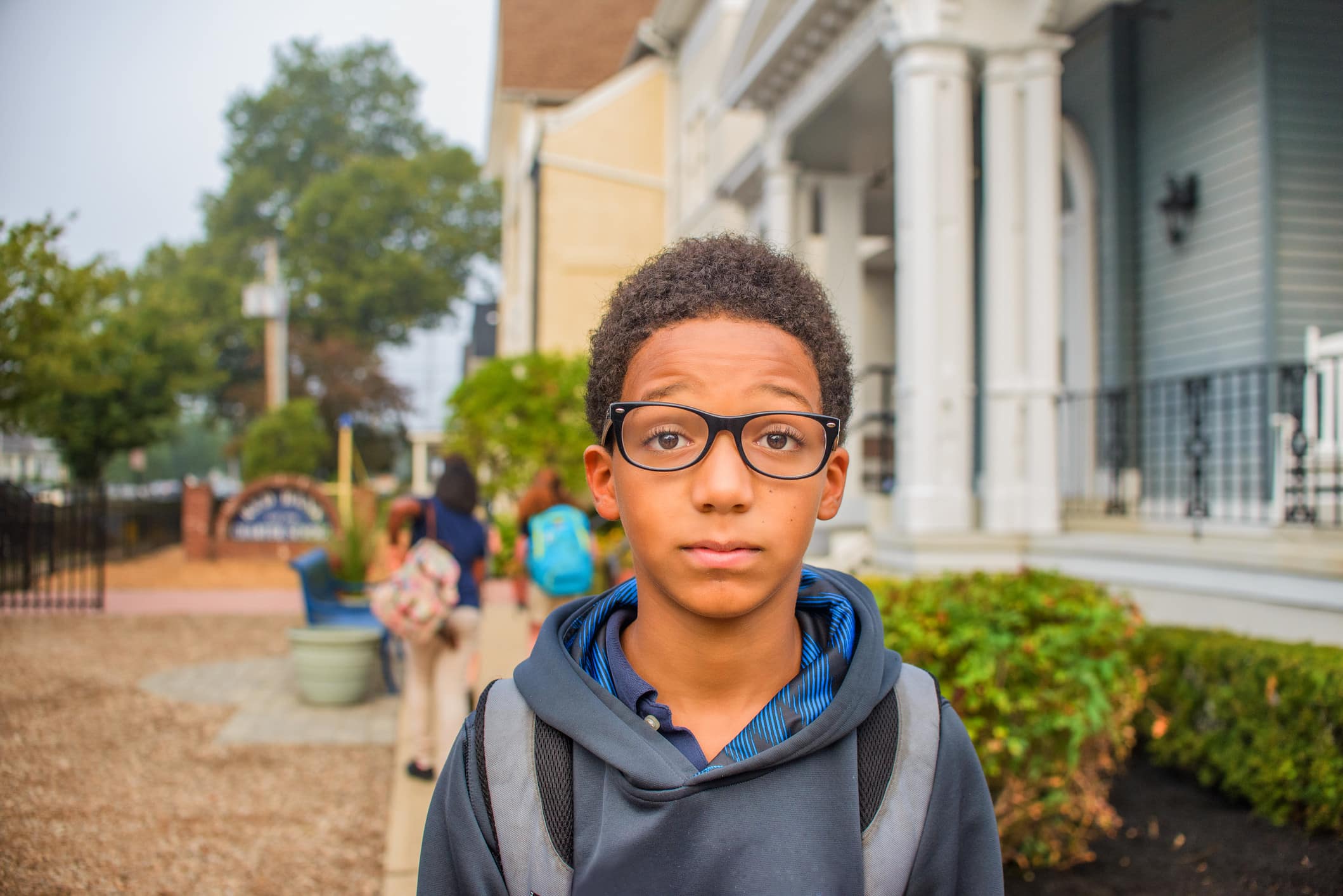
According to The Adoption Institute, researchers from the University of Vermont (UVM) discovered that although many white adoptive parents were open to adopting children of other races, they did not want to adopt African-American children.
With more than 100,000 students waiting to be adopted in the U.S., why are Black kids the least desirable? And why do parents go overseas to adopt?
The United States leads the world in international adoptions. The National Center for Adoption reports that Americans completed 6,441 intercountry adoptions in 2014. (This is way down, though, from the peak of 22,000 international adoptions in 2004.)
Meanwhile, there are about 108,000 children available for adoption in the U.S. as of July 2015, according to the National Council of Adoption. African-American children are overrepresented — they make up about 24 percent of the children waiting for adoption. (The African-American population in the U.S. is 13 percent).
Researchers at UVM interviewed 41 parents from the northeastern U.S. (all were white except one Asian) who had adopted 52 kids. Thirty-three of the children adopted came from other countries, mostly China, Korea and Guatemala. The researchers shared their findings in a report titled, “We Didn’t Even Think About Adopting Domestically: The Role of Race and Other Factors in Shaping Parents’ Decisions to Adopt Abroad.” The main reasons the subjects chose to adopt kids from overseas were:
– Fear of birth parents changing their mind and wanting their child back
– Concern about open adoptions where birth parents maintain some contact with their child
– An assumption that adoptive children in the U.S. have more health issues due to alcohol or drug abuse by their mothers
Here’s where it gets really interesting. While many of the parents surveyed said they were open to adopting children of any race — and even actively sought nonwhite children overseas — several said no when it came to black American children. In fact, 18 of the parents explicitly said they wouldn’t adopt a black child. African-American children, in particular, were seen as “too different” physically and culturally.
“It was weird that we were fine with Asian. We were fine with South American. And we weren’t with African American… Maybe I wasn’t exposed or I just thought it would be too different.”
— Jenny, study participant who adopted from Guatemala
Just two of the adopted children in the study group were African-American. The other four black children adopted came from other countries: Haiti, Tanzania and the Democratic Republic of the Congo.
Nikki Khanna is a sociology professor who led the study. She notes via email that U.S. adoptions from Africa have more than tripled between 2003 and 2010. But she says it’s not clear why the parents she interviewed found African children more
adoptable than black American kids. “For these parents, it is possible that they perceive African-American culture as more ambiguous and less defined than that of Tanzanian or Congolese culture, for example, and hence more accessible to them. More research, however, is needed.”

And then, there’s the race issue. Khanna says many parents cited long-standing, contentious race relations between blacks and whites as a deterrent to adopting African-American kids. “They were hesitant to enter into a situation in which they themselves had to take up and address this history with their own African-American children. Perhaps some parents feel that if they adopt from Africa that they or their African children are somehow exempt from this history. I would argue, however, that that view is ill-conceived and highly problematic.”


By subscribing, you consent to receive emails from BlackDoctor.com. You may unsubscribe at any time. Privacy Policy & Terms of Service.