Scleroderma is a group of rare diseases that involve the hardening and tightening of the skin and connective tissues — the fibers that provide the framework and support for your body. When the disease affects more than the skin, it is called systemic scleroderma. Systemic scleroderma not only affects the skin and tissues but also the blood vessels and major organs. This more severe form of scleroderma, according to the National Institute of Arthritis and Musculoskeletal and Skin Diseases, is more common in African Americans and people ages 30 to 50.
See If You Qualify for a Local Scleroderma Research Study!
Because systemic scleroderma affects the whole body, managing its effects requires a whole body approach. A rheumatologist (a doctor who treats arthritis and other diseases that cause swelling in the joints) may lead your health care team and refer you to other medical experts for problems with skin, kidneys, digestion, joints, teeth, lungs, heart and Raynaud’s (pronounced RAY-KNOWDS) phenomenon. Raynaud’s phenomenon is when the fingers become very sensitive to cold and change color with cold or emotional stress. The cold sensitivity and color changes are a common condition in scleroderma.
There is no cure for systemic scleroderma, but the following tips can help to cope with and manage these problems associated with the disease.
With scleroderma, collagen, which is a fibrous type of protein that makes up your body’s connective tissues, builds up in the skin. Although doctors aren’t sure what causes this abnormal collagen production, the body’s immune system appears to play a role. For unknown reasons, the immune system (system in the body that fights against infection) turns against the body, producing inflammation and overproducing collagen. Too much collagen can make your skin dry and stiff. The following may help to decrease the dryness of the skin:
When scleroderma affects your kidneys, you can develop elevated blood pressure and an increased level of protein in your urine. More serious effects of kidney complications may include a sudden increase in blood pressure and kidney failure that comes on quickly.
The way you can spot problems is to:
Digestive problems associated with scleroderma can lead to acid reflux and difficulty swallowing. Some describe feeling as if the food gets stuck midway down the esophagus. You may also experience bouts of constipation alternating with episodes of diarrhea. Some things that may help to relieve the symptoms include:
Stiffness and pain come from hard skin around joints and joint swelling. Some things that may help to relieve the symptoms include:
If you have tight skin on your face, you may have trouble caring for your teeth. Tightening of facial skin can cause your mouth to become smaller and narrower, which may make it hard to brush your teeth or to even have them professionally cleaned. People who have scleroderma often don’t produce normal amounts of saliva, which can speed up tooth decay. Harm to tissues in the mouth can also loosen teeth. To try to avoid these problems:
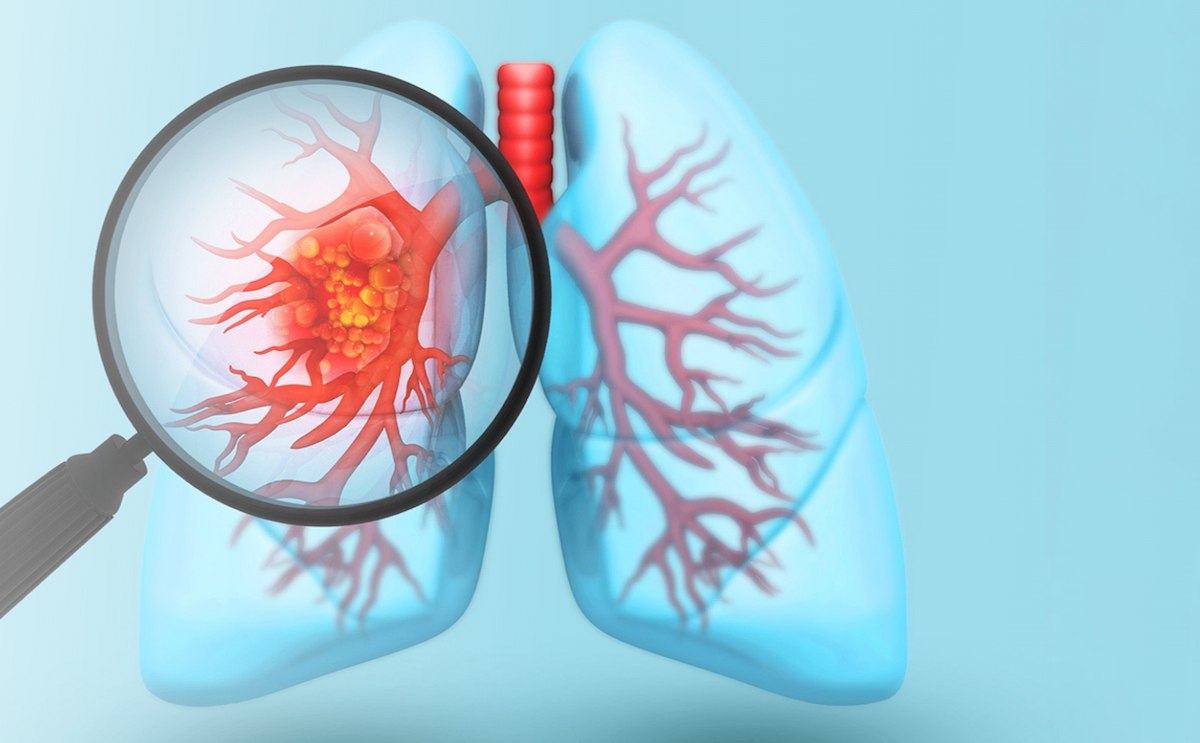
Systemic scleroderma can affect the lungs by causing loss of lung function, severe lung disease or scarring of lung tissue. Scarring of lung tissue can result in reduced lung function, reduced ability to breathe and reduced tolerance for exercise. You may also develop high blood pressure in the arteries to your lungs (pulmonary hypertension). It is especially important to watch for the following signs of lung disease and discuss them with your doctor.
7. Heart
Scarring of heart tissue increases your risk of abnormal heartbeats (arrhythmias) and congestive heart failure, and can cause inflammation of the sac surrounding your heart. Scleroderma also can raise the pressure on the right side of your heart and cause it to become weak.
8. Raynaud’s Phenomenon
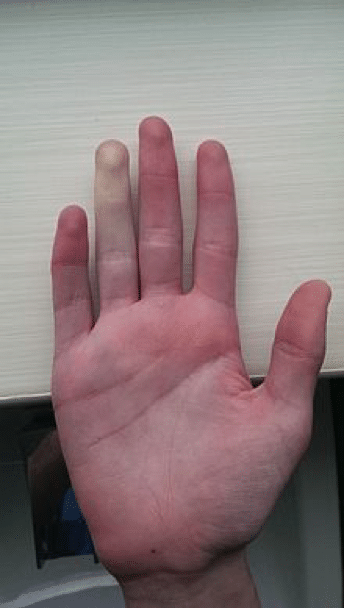
Most people with scleroderma have Raynaud’s phenomenon. This condition can cause pain within the affected extremities, discoloration (paleness), and sensations of cold and/or numbness.
If someone with Raynaud’s is placed into a cold climate, it could potentially become dangerous.
Things that can help the symptoms include:
The Raynaud’s phenomenon that occurs with scleroderma can be so severe that the decreased blood flow permanently damages the tissue at the fingertips, causing skin sores (ulcers).


By subscribing, you consent to receive emails from BlackDoctor.com. You may unsubscribe at any time. Privacy Policy & Terms of Service.