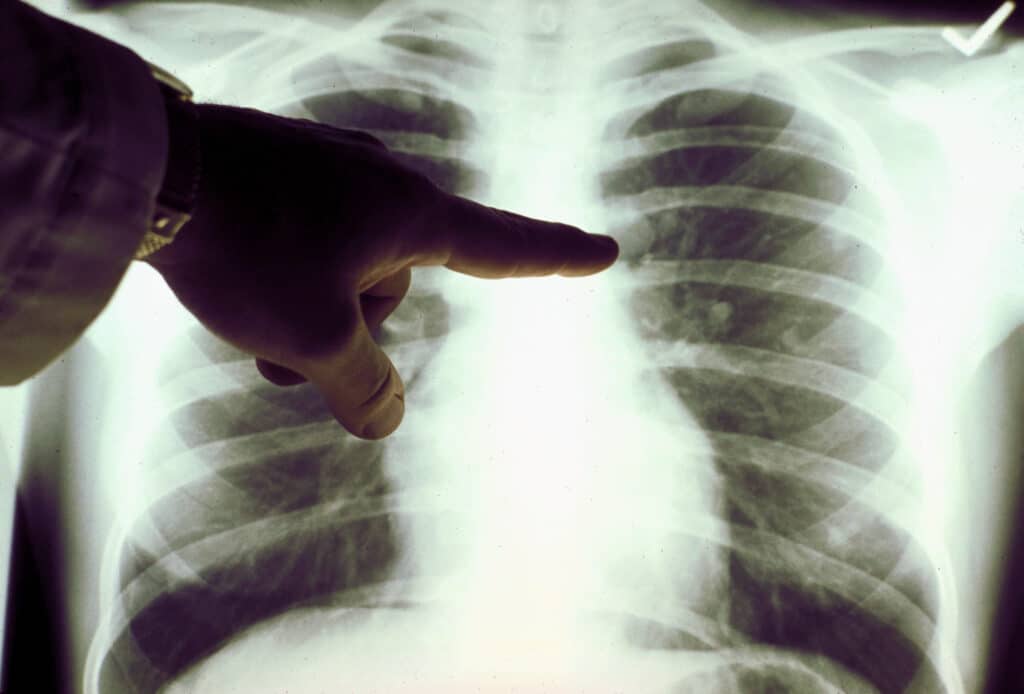
 (Photo Courtesy of the American Cancer Society via Getty Images)
It seems like everyone knows at least one person affected by cancer. That fact, along with an overload of misinformation makes people question and second-guess their own symptoms. But different cancers have different symptoms.
It is important to know the common signs and symptoms of cancer. If you have any of the symptoms listed here, get advice from your doctor, nurse, or General practitioner. Here are some signs to look out for:
Most women have the occasional irregular period or cramps. But persistent pain or changes in your cycle can be a sign of cervical, uterine or ovarian cancer.
Significant changes in bodily functions can indicate colon, prostate or bladder cancer, among other cancers. Warning signs include persistent constipation or diarrhea; black or red blood in your stool; black, tarry stools; more frequent urination; and blood in your urine.
We all feel bloated now and then. But bloating for more than two weeks can be a sign of ovarian cancer, as well as various gastrointestinal cancers.
These include a new lump, dimpling, discoloring, changes around the nipple or unusual discharge that you didn’t have before. Although most breast cancer occurs in women, men can develop it too.
A cough that persists for more than two weeks, especially a dry cough, can be a sign of lung cancer.
It doesn’t matter where it is. If you have a sore that doesn’t heal, it should be checked out. Ulcers on the nipple can be sign of breast cancer. And of course, sores on the skin that don’t heal can be a sign of skin cancer.
Inside your mouth, the sore might look like an area that is whiter and doesn’t scrape off, or an area that’s redder and doesn’t go away. Both of those could be signs of oral cancer. Ask your dentist about oral cancer screening. Dentists can look for color changes and can also run their fingers all around your mouth to look for a mass.
A headache that lasts more than two weeks and doesn’t respond to the usual medications can be caused by a brain tumor.
If you feel as though food is getting stuck in your throat or you have trouble swallowing for more than two weeks, this can be a sign of throat, lung or stomach cancer.
A bruise on the shin from bumping into the coffee table is normal. But suddenly getting a lot of bruises in unusual places that haven’t been bumped can indicate various blood cancers.
Spiking a fever over and over, or going from one infection to the next can indicate an immune system that’s been rendered more susceptible by lymphoma or leukemia.
Persistent sores or lesions or painful areas in the mouth, especially in people who smoke or drink heavily, can indicate various oral cancers.
A shift in the appearance of a mole or birthmark should be assessed by a healthcare provider, either in person or through a video visit. To remember which changes are cause for concern, use this easy mnemonic, ABCDE.
Asymmetry: One half of the mole or mark doesn’t look like the other.
Border: The edges are irregular or blurred.
Color: It’s varied or inconsistent, both black and brown.
Diameter: It’s larger than the size of a pencil eraser.
Evolving: This refers to any mole that grows, bleeds or otherwise changes over time.
Especially if that tiredness doesn’t get better with rest. Skin changes such as a lump that bleeds or turns scaly, a new mole or a change in a mole, a sore that does not heal, or a yellowish color to the skin or eyes (jaundice)


By subscribing, you consent to receive emails from BlackDoctor.com. You may unsubscribe at any time. Privacy Policy & Terms of Service.