 (Photo courtesy of Chandra Caradine)
Atrial fibrillation (AFib) is a condition where someone has an abnormal heart rhythm. The condition, which affects approximately one in nine Black Americans before the age of 80, is less frequent in Blacks. However, Blacks with AFib are more likely to have complications. This includes the risk of developing a stroke.
When “the heart isn’t really beating, has an irregular rhythm and isn’t pumping blood out regularly, this can cause blood to have a different flow pattern inside of the heart causing flow stagnation in the heart and that can lead to blood clots forming in the heart…Those clots can travel. When it travels to the brain and it causes blockage and a big artery in the brain, that can lead to stroke,” Dr. Yinn Cher Ooi, MD, a Neurological Surgery and Spine surgeon at Texas Health Fort Worth says.
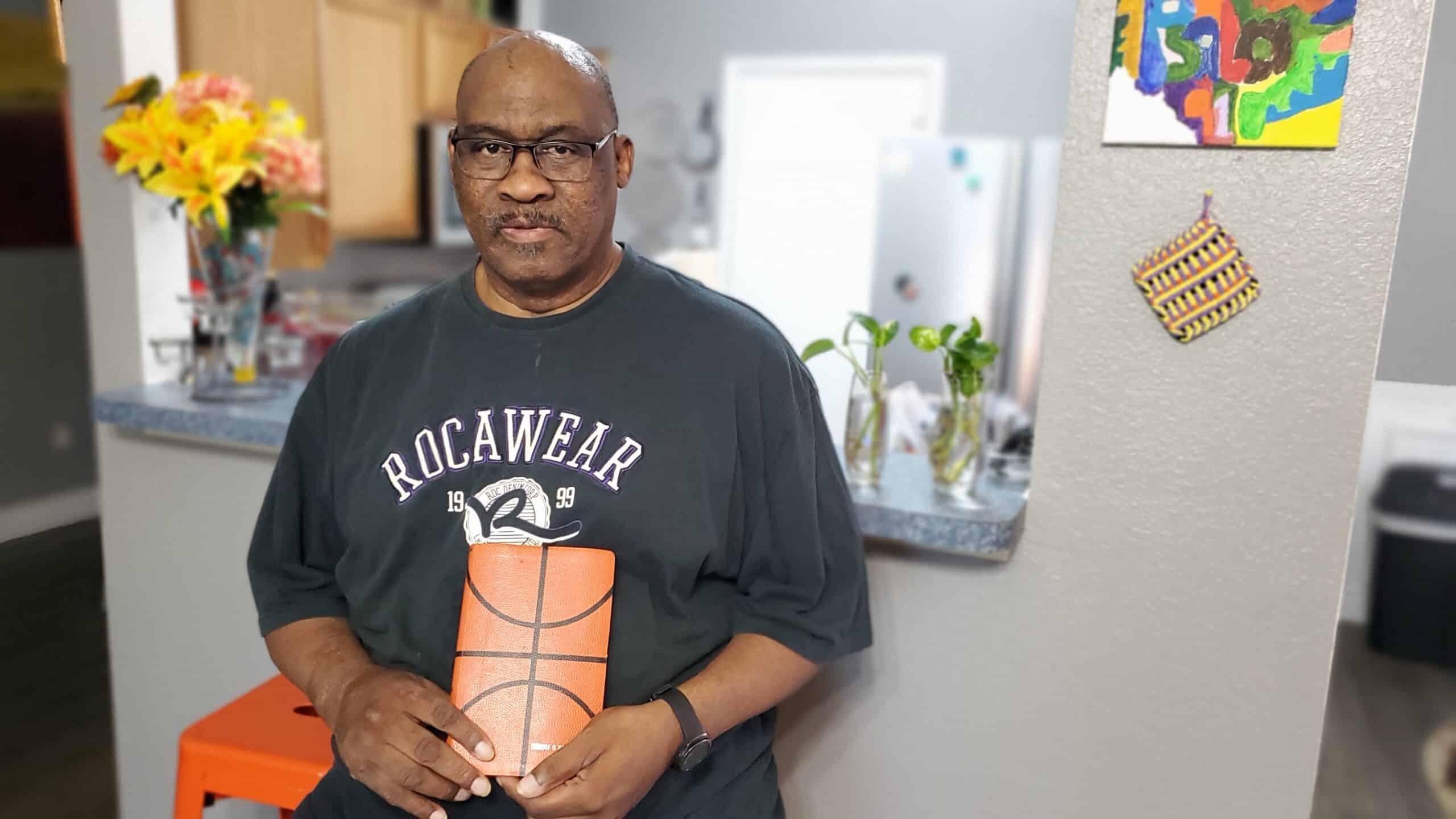
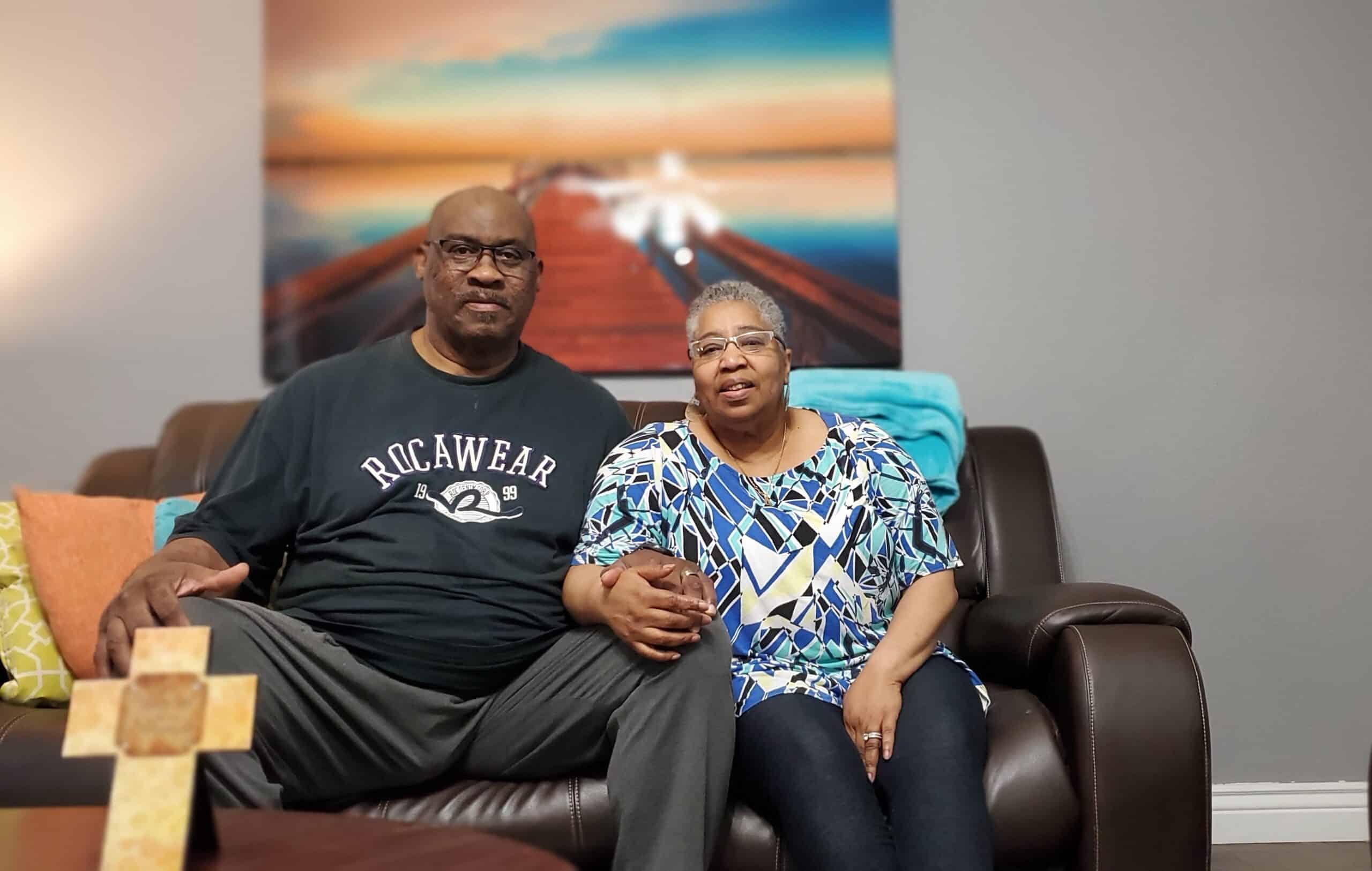
This was the case for Robert Williams whose wife Priscilla noticed something was wrong after she returned from the store to discover that Robert had dropped all of his medicine on the floor and that his speech was off.
“I kind of figured that he was having a stroke,” Priscilla shares.
Taking quick action, she called 911. The operator had Priscilla test Robert by asking him to perform some basic tasks.
“She said to tell him to smile and he couldn’t do it. She asked me to tell him to lift up his hands and when he lifted up his hands, the left hand went down. And then she gave me a phrase to say to him and he couldn’t say the phrase,” Priscilla recalls. “She said ‘Ma’am I think you’re right. I think he is having a stroke.’”
RELATED: Post-Stroke Care: What to do After Having a Stroke
As soon as Priscilla got off the phone with the 911 operator, paramedics were at the door. They confirmed he was having a stroke and took him to his hospital of choice: Texas Health Harris Methodist Hospital Fort Worth.
“Robert came to us with a very large stroke on the left side of his brain the size of a watermelon seed that had traveled from his heart to his brain causing a blockage in one of the major blood vessels of his brain,” Dr. Ooi, who treated Robert shares. “That led to him having a very big stroke. He was very sick when he came to us, unable to speak, unable to understand speech, and unable to move the right side of his body. He had a very profound facial weakness.”
 (Photo courtesy of Priscilla Williams)
Due to the severity of his stroke, Roberts’s condition was touch and go. “I was told he had about a 34 percent chance of survival,” Priscilla shares.
Because Robert’s blood vessels made it impossible to perform a traditional thrombectomy, Dr. Ooi opted to enroll him in one of the hospital’s ongoing clinical trials. This allowed doctors to do a small incision just above the collarbone to access the carotid artery and successfully extract Robert’s clot.
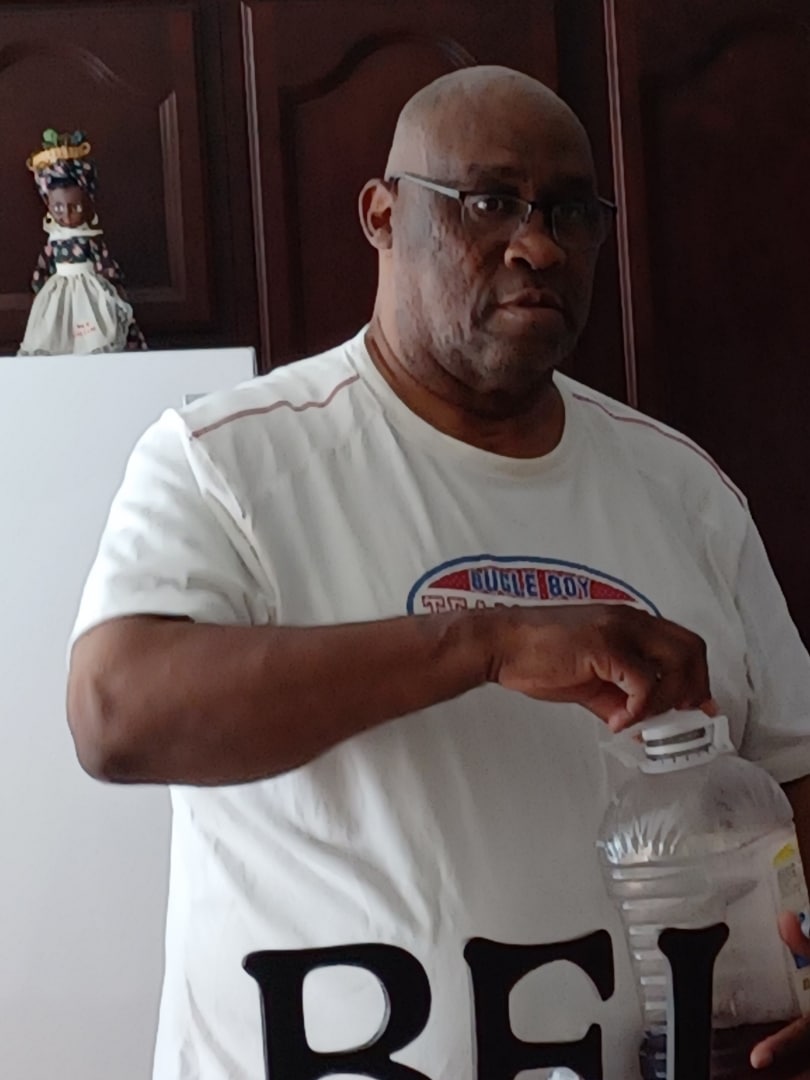
Although the procedure was a success, a day later another clot formed. “He was in the hospital after his first successful thrombectomy. He made a very good recovery but unfortunately, during his hospital stay, he had a second stroke where blood clots traveled to the right side of his brain,” Dr. Ooi adds.
Fortunately, nurses in the stroke unit and ICU caught the change in Robert’s neurologic exam “very quickly”, which is key to preventing brain damage.
After suffering back-to-back strokes, Robert underwent another successful surgery.
 (Photo courtesy of Priscilla Williams)
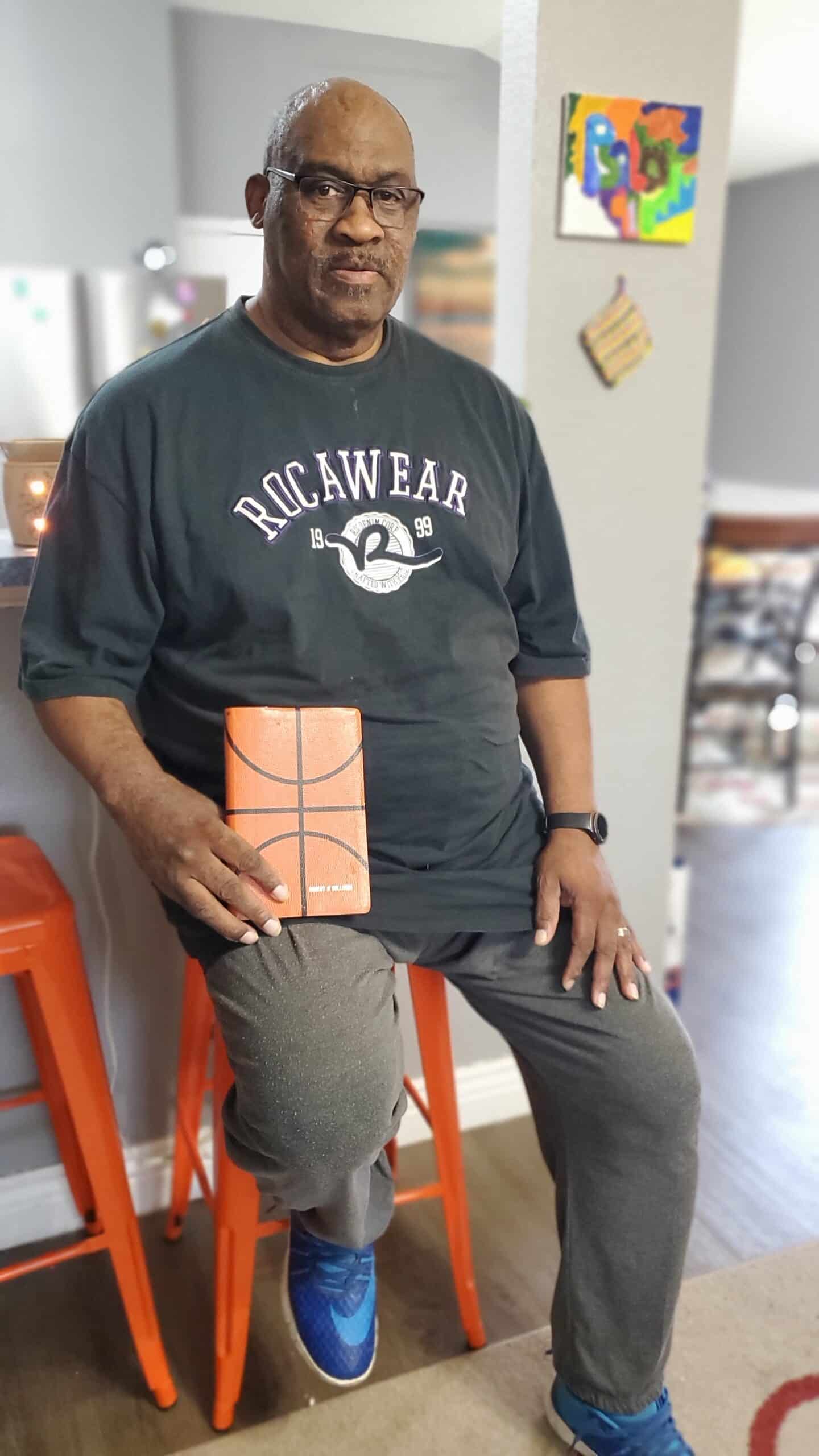
Following surgery, the former basketball player spent three months in rehab. He is now getting back to his regular routine. The “walking miracle” (as Priscilla describes him) has already made amazing progress.
“Robert did have a very long recovery process. He was in the hospital for close to a month and had to undergo two thrombectomy procedures within one hospital stay, which is not common at all for our patients, but we’re all extremely excited and happy for him and his family for the remarkable recovery he’s made and that is in no small part due to the love and support that he got from his wife and his family,” Dr. Ooi says. “…It takes a village to take care of patients like Robert…He wasn’t able to speak at all– didn’t understand speech – he now speaks well. He actually recently went back to work, so we are all very very excited and very very proud of him.”
RELATED: Stroke Survivor on the Road to Recovery: “There Are Setbacks”
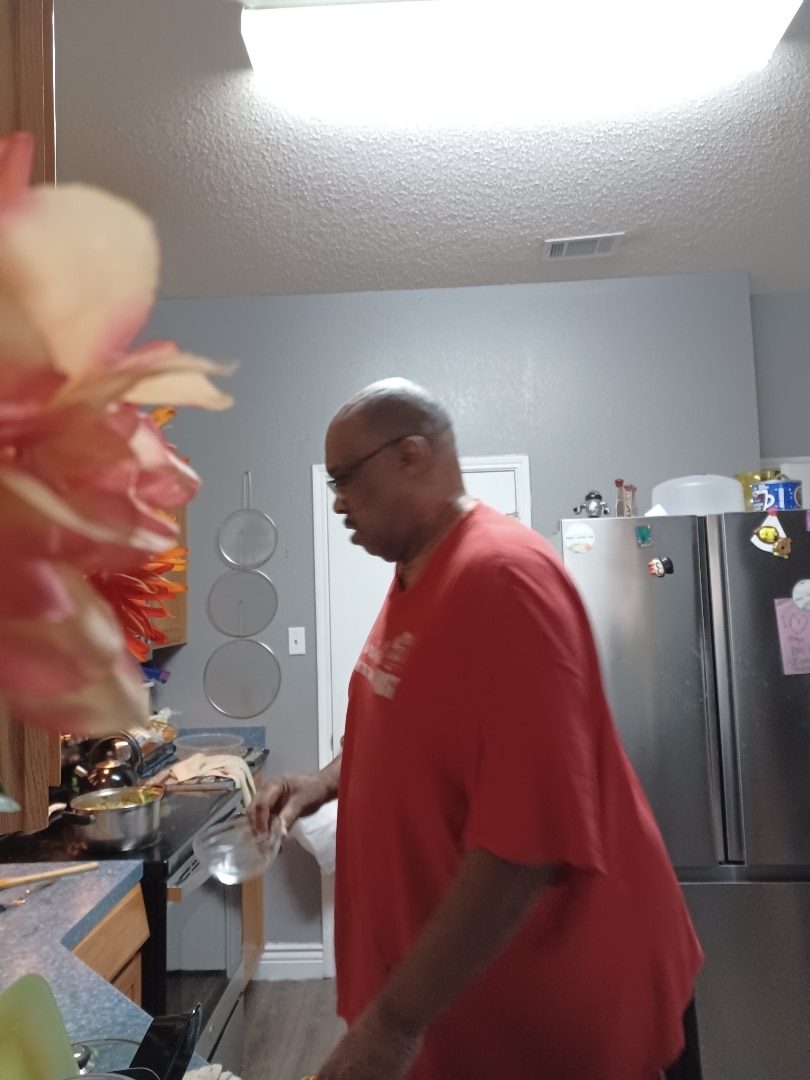
The road to stroke recovery isn’t linear. It’s a constant ongoing process. Throughout his journey, Robert has relied heavily on his faith to get him through.
 (Photo Courtesy of Priscilla Williams)
“I just want people to know if you look at me, I’m still here… but you have to believe in God and give it all to him,” Robert shares.
Naturally, Robert has days when he may feel down, but Priscilla quickly reminds him of how far he’s come.
“Sometimes I get there and I think I should be further along with my health ,and my wife says you just came home,” Robert adds. “Sometimes I’m not patient, but I look at the pictures that she took of me in the hospital and see how far I’ve come just by looking at those pictures.”
RELATED: Recovering From a Stroke: Coming Back to a New Reality
 (Photo courtesy of Chandra Caradine)
RELATED: How to Cope When a Loved One Has Just Had a Stroke
 (Photo courtesy of Chandra Caradine)

By subscribing, you consent to receive emails from BlackDoctor.com. You may unsubscribe at any time. Privacy Policy & Terms of Service.