Menu

Staying Active Safely: Exercise Tips If You Have ATTR-CM

Table of Contents
ATTR-CM

Although diet and lifestyle changes won’t cure your Transthyretin Amyloid Cardiomyopathy (ATTR-CM), they can help you manage the symptoms and reduce the risk of it progressing to advanced congestive heart failure Frederick L. Ruberg, MD, associate chief for academic affairs and director of the advanced cardiac imaging program, section of cardiovascular medicine at Boston Medical Center, tells Everyday Health.

Engaging in regular physical activity is essential for maintaining overall health and well-being, especially for individuals living with ATTR-CM. If you are living with ATTR-CM and participate in regular exercise, you may notice improved cardiovascular function, enhanced circulation, increased endurance, and boosted mood.

While staying active can be beneficial, it may pose challenges due to the unique nature of the condition. However, with proper guidance and a personalized approach, it’s possible to enjoy the benefits of exercise while prioritizing your heart health and safety.

Understanding ATTR-CM and Exercise

According to the Cleveland Clinic, ATTR-CM is “A buildup of faulty proteins called fibrils causes transthyretin amyloidosis (ATTR-CM). These protein deposits stiffen and weaken your heart chambers, leading to cardiomyopathy.”

Given the heart’s pivotal role in circulating blood and oxygen throughout the body, it’s crucial to approach exercise with caution. Overexerting yourself can lead to dangerous consequences.

Types of Exercise

Low-impact exercises are generally well-suited for individuals with ATTR-CM. Here are some exercise options to consider:

  1. Walking: Walking is a gentle yet effective form of exercise that can be tailored to your fitness level. Gradually increase the duration and intensity of your walks based on your doctor’s guidance.
  2. Swimming: Swimming provides a low-impact cardiovascular workout that is easy on the joints. Water’s buoyancy supports the body, making it a safe option for many individuals with heart conditions.
  3. Stationary Biking: Using a stationary bike allows you to control the intensity and duration of your workout. It’s a great way to improve cardiovascular fitness without excessive strain on the heart.
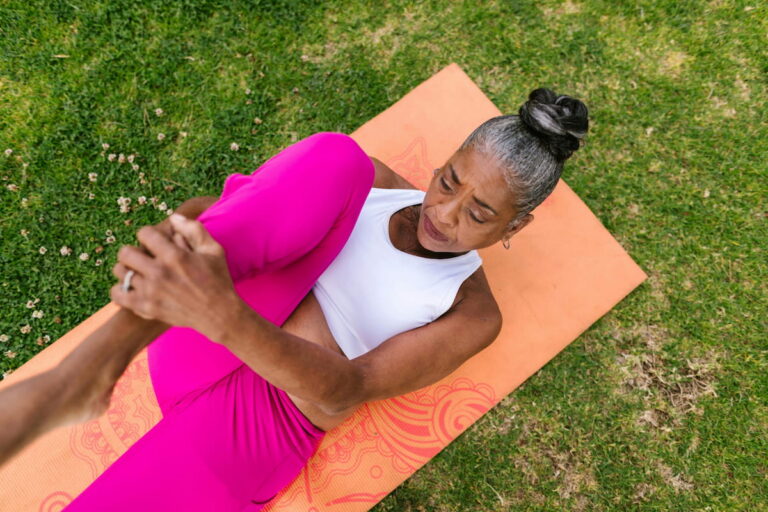
  4. Yoga and Stretching: Yoga and stretching exercises can enhance flexibility, improve posture, and promote relaxation. Choose classes or poses that focus on gentle movements and deep breathing.

RELATED: Battling Transthyretin (TTR) Cardiac Amyloidosis? Learn More About Your Treatment Options

As you begin your exercise routine, keep these tips in mind:

Safety First

When exercising, you should always prioritize your safety. Here are some safety tips for exercising with ATTR-CM:

  • Always warm up before exercise and cool down afterward.
  • Listen to your body and stop if you experience symptoms like dizziness, shortness of breath, or chest discomfort.
  • Stay hydrated and avoid exercising in extreme weather conditions.
  • Monitor your heart rate and blood pressure, if advised by your healthcare provider.
  • Consider wearing a medical alert bracelet that indicates your condition in case of emergencies.

Progress Gradually

Start slowly and progress gradually to avoid overexertion. Your healthcare provider or a qualified fitness professional can help you create a customized exercise plan that takes into account your condition and goals.

Adapt and Modify

Your condition may change over time, so it helps to prepare for any adaptations you may need to make to your


Related Stories
Answer the question below
What areas do you try to improve in spring?

Get our Weekly Newsletter

Stay informed on the latest breakthroughs in family health and wellness. Sign up today!

By subscribing, you consent to receive emails from BlackDoctor.com. You may unsubscribe at any time. Privacy Policy & Terms of Service.

More from BlackDoctor

Where Culture Meets Care

BlackDoctor is the world’s largest and most comprehensive online health resource specifically for the Black community. BlackDoctor understands that the uniqueness of Black culture - our heritage and our traditions - plays a role in our health. BlackDoctor gives you access to innovative new approaches to the health information you need in everyday language so you can break through the disparities, gain control and live your life to its fullest.
✦ AI Search Disclaimer
This AI-powered search tool helps you find relevant health articles from the BlackDoctor.org archive. Please keep the following in mind:
✦ For Informational Purposes Only
The information provided through this AI search is for general educational and informational purposes only. It is not intended as a substitute for professional medical advice, diagnosis, or treatment.
✦ Always Consult a Healthcare Provider
Never disregard professional medical advice or delay seeking it because of something you have read through this search tool. If you have a medical emergency, call your doctor or 911 immediately.
✦ AI Limitations
This search tool uses artificial intelligence to help match your queries with articles in our archive. While we strive for accuracy, AI-generated results may occasionally be incomplete, outdated, or not fully relevant to your specific situation.
✦ No Doctor-Patient Relationship
Using this search tool does not create a doctor-patient relationship between you and BlackDoctor.org or any healthcare provider.
Explore over 35,000 articles and videos across black health, wellness, lifestyle and culture
Full AI Search Experience >
×

Download PDF

Enter your name and email to receive the download link.

BlackDoctor AI Search