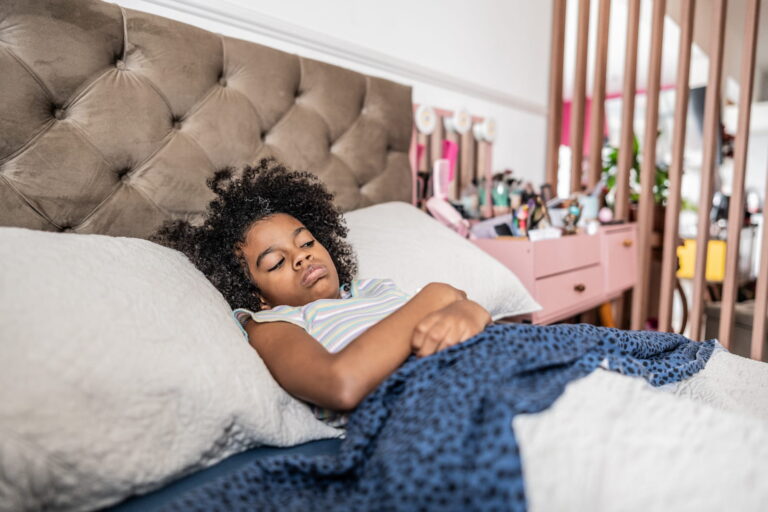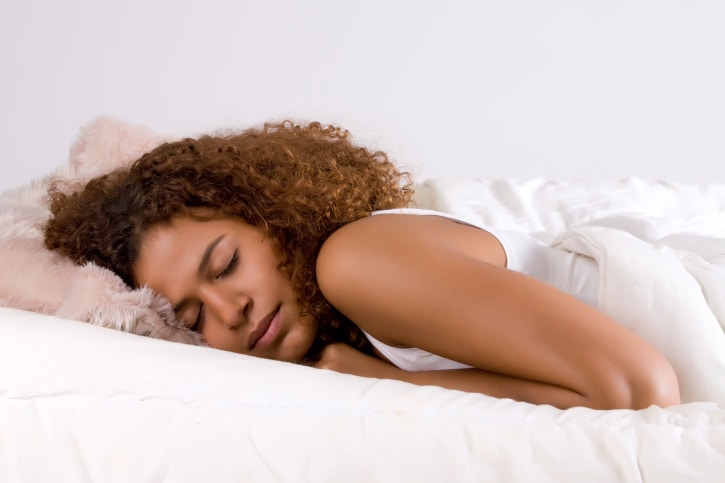
Sleep apnea is a common disorder that can be very serious.
In sleep apnea, your breathing stops or gets very shallow while you are sleeping.
Each pause typically lasts 10-20 seconds or more. These pauses can occur 20 to 30 times or more an hour.
The most common type of sleep apnea is obstructive sleep apnea. During sleep, enough air cannot flow into your lungs
through your mouth and nose even though you try to breathe. When this happens, the amount of oxygen in your blood may drop. Normal breaths then start again with a loud snort or choking sound.
Your sleep is not restful because:
When your sleep is upset throughout the night, you can be very sleepy during the day.
Untreated sleep apnea can increase the chance of having high blood pressure and even a heart attack or stroke. Untreated sleep apnea can also increase the risk of diabetes and the risk for work-related accidents and driving accidents.
Sleep apnea happens when enough air cannot move into your lungs while you are sleeping.
When you are awake and normally during sleep, your throat muscles keep your throat open and air flows into your lungs. However, in obstructive sleep apnea, the throat briefly collapses, causing pauses in your breathing. With pauses in breathing, your oxygen level in your blood may drop.
This happens when:
With the throat frequently fully or partly blocked during sleep, enough air cannot flow into your lungs, even though efforts to breathe continue. Your breathing may become hard and noisy and may even stop for short periods of time (apneas).
Central apnea is a rare type of sleep apnea that happens when the area of your brain that controls your breathing doesn’t send the correct signals to the breathing muscles. There is then no effort to breathe at all for brief periods. Snoring does not typically occur in central apnea.
Anyone can have obstructive sleep apnea.
It is estimated that more than 12 million Americans have obstructive sleep apnea. More than half the people who have sleep apnea are overweight, and most snore heavily.
Adults most likely to have sleep apnea:
Sleep apnea is more common in men. One out of 25 middle-aged men and 1 out of 50 middle-aged women have sleep apnea, which causes
them to be very sleepy during the day. Sleep apnea is more common in African Americans, Hispanics, and Pacific Islanders. If someone in your family has sleep apnea, you are more likely to develop sleep apnea than
someone without a family history of the condition.
Obstructive sleep apnea can also occur in children who snore. If your child snores, you should discuss it with your child’s doctor or healthcare provider.
The most common signs of sleep apnea are:
Your family members may notice the symptoms before you do. You will likely not otherwise be aware that you have problems breathing while asleep.
Other signs of sleep apnea may include:
Some of the ways to help doctors diagnose sleep apnea include:
A sleep recording is a test that is often done in a sleep center or sleep laboratory, which may be part of a hospital. You may stay overnight in the sleep center, although sleep studies are sometimes done in the home. The most common sleep recording used to find out if you have sleep apnea is called a polysomnogram (poly-SOM-no-gram) or PSG. This test records:
A PSG is painless. You will go to sleep as usual. The staff at the sleep center will monitor your sleep throughout the night. The results of your PSG will be analyzed by a sleep medicine specialist to see if you have sleep apnea, how severe it is, and what treatment may be recommended.
In certain circumstances, the PSG can be done at home. A home monitor can be used to record heart rate, how air moves in and out of your lungs, the amount of oxygen in your blood, and your breathing effort. For this test, a technician will come to your home and help you apply the monitor you will wear overnight. You will go to sleep as usual, and the
technician will come back the next morning to get the monitor and send the results to your doctor.
Once all your tests are completed, the sleep medicine specialist will review the results and work with you and your family to develop a treatment plan. In some cases, you may also need to see another physician for evaluation of:
Treatment is aimed at restoring regular nighttime breathing and relieving symptoms such as very loud snoring and daytime sleepiness.
If you have mild sleep apnea, some changes in daily activities or habits may be all that are needed:


By subscribing, you consent to receive emails from BlackDoctor.com. You may unsubscribe at any time. Privacy Policy & Terms of Service.