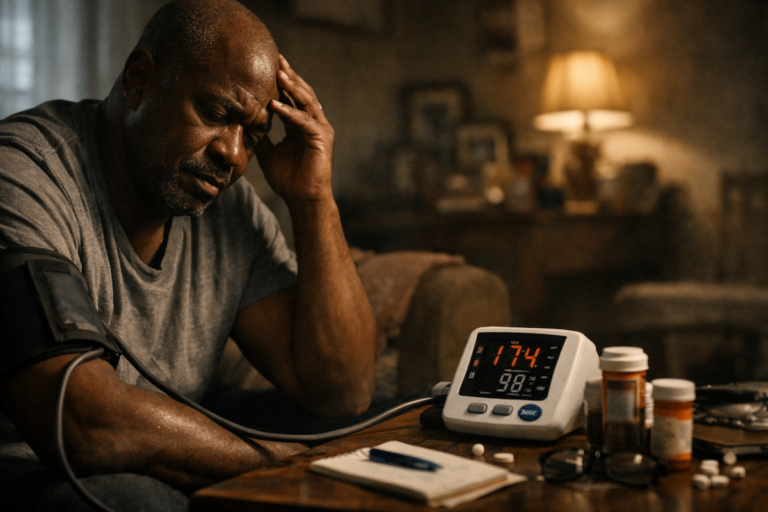
Seizure clusters are an especially challenging aspect of epilepsy, involving periods of increased seizure activity with two or more seizures occurring within a 24-hour period. These disruptive episodes can leave those affected feeling anxious, exhausted, and sometimes even helpless. If you’re experiencing seizure clusters, you are not alone; many people with epilepsy encounter this pattern. Understanding what seizure clusters are, how they differ from usual seizures, and why timely treatment is crucial can empower you to better manage these difficult events.
Seizure clusters, sometimes referred to by other terms like acute repetitive seizures, serial seizures, or crescendo seizures, occur when two or more seizures take place in a single day. They often follow a unique pattern that differs from the person’s typical seizure activity. For example, someone who typically has one seizure every few days might experience several in a row, or they might have seizures spaced just hours apart. The number of seizures within a cluster, their severity, and their duration can vary significantly from one person to another, making it crucial for each individual to recognize their own patterns.
Recognizing seizure clusters involves noting deviations from your usual seizure pattern. This could mean having multiple seizures back-to-back or experiencing a sudden increase in seizure intensity or duration. Key signs and symptoms of seizure clusters include:
Tracking your symptoms can help in distinguishing regular seizure activity from a cluster. Your healthcare provider can assist you in identifying the signs of a seizure cluster and when to use rescue medication for quick and effective treatment.
While seizure clusters can sometimes occur without warning, they have the potential to escalate into more severe health risks if left untreated. For instance, prolonged seizures or clusters could lead to status epilepticus, a life-threatening condition in which a seizure lasts longer than five minutes. Additionally, the risk of injury, hospitalization, or other complications increases with uncontrolled seizure clusters. For these reasons, many healthcare providers recommend having a rescue medication on hand to stop the cluster before it worsens.
Unlike daily anti-seizure medications designed to maintain general seizure control, rescue medications are fast-acting solutions prescribed for use during a seizure cluster emergency. They are formulated to halt seizures promptly, helping prevent the cluster from progressing. The goal is to help you regain control, minimize seizure-related damage, and prevent further escalation.
An ideal rescue medication should have the following attributes:
If you’re prescribed a rescue medication, be sure to follow your healthcare provider’s instructions on when and how to use it. Proper usage can provide significant relief, allowing you to regain control and peace of mind.
Managing seizure clusters can feel overwhelming, but some practical steps and resources can make a difference:
Having a support system, both emotional and medical, is key to navigating life with seizure clusters. Working closely with your healthcare provider can help you develop an effective management plan tailored to your unique needs.
Seizure clusters are a complex and often unpredictable part of epilepsy, but understanding their characteristics and knowing when and how to act can empower you to manage them more effectively. Quick, appropriate treatment with rescue medication is essential to prevent escalation and protect your health. Through preparation, monitoring, and the support of healthcare professionals, people with seizure clusters can lead safer, more confident lives. Remember, you don’t have to navigate this alone—resources, treatments, and supportive communities are here to help you every step of the way.


By subscribing, you consent to receive emails from BlackDoctor.com. You may unsubscribe at any time. Privacy Policy & Terms of Service.