Calling all of my protective hairstyle girlies to the front! The girls who love to switch it up and try new styles often. I think I speak for most of us when I say, we love a protective style. I mean, how could we not, right? They are convenient, low-maintenance, versatile, promote growth, and are meaningful to us. Now, with protective styles, you still have to care for your hair, and sometimes even more unique care is required when you’re dealing with a certain condition.
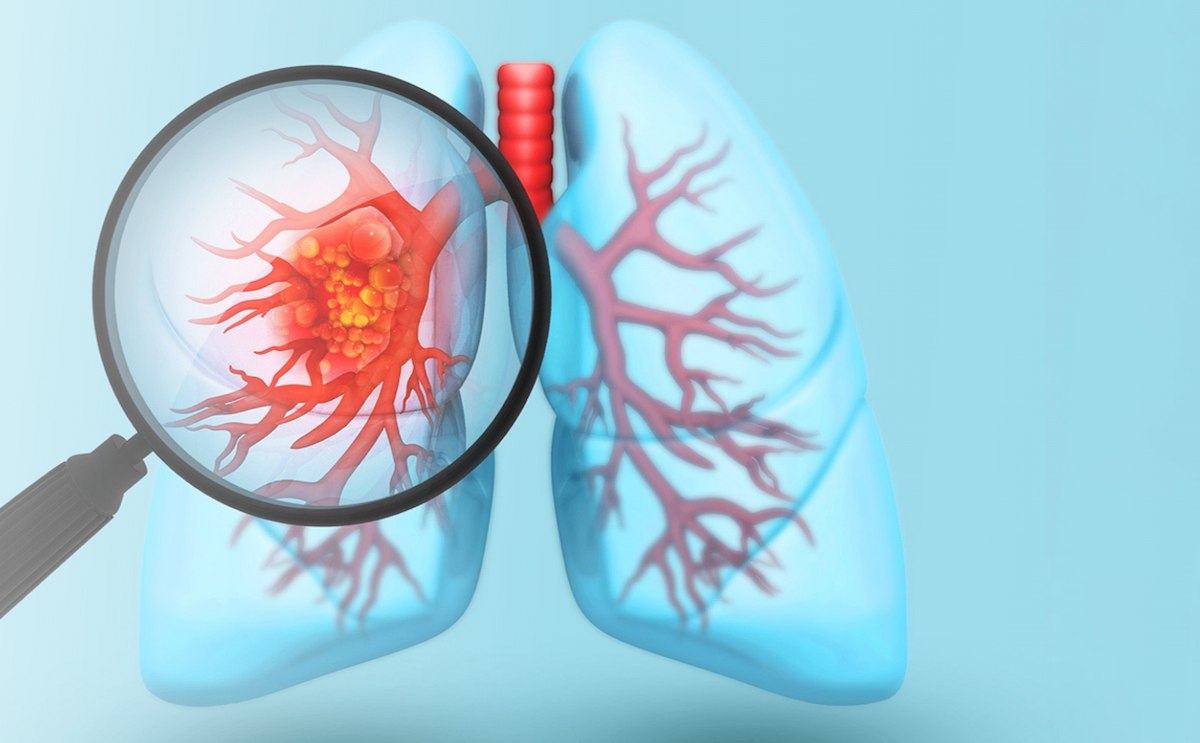
Scalp psoriasis is a form of psoriasis that specifically affects the scalp and surrounding areas (forehead, back of the neck, or behind the ears). Scalp Psoriasis is a chronic autoimmune skin condition that causes the skin cells on the scalp to grow too quickly. This rapid growth leads to a buildup of skin cells, forming thick, red patches covered with silvery-white scales on the scalp. Scalp psoriasis is not contagious, and symptoms can range from mild to severe.
RELATED: Scalp Psoriasis & Protective Styles: What Works & What Does Not
Managing scalp psoriasis can make routine hair care extremely challenging, especially when wearing protective styles that are meant to promote hair health and reduce breakage. Protective styles like braids, twists, and sew-ins are meant to protect natural hair, but if not handled properly, they can sometimes irritate an already sensitive scalp. Per Essence, “Scalp psoriasis is highly prevalent and can present unique challenges across diverse populations. In patients of color, cultural factors related to hair care practices and post-inflammatory pigment changes contribute to the burden of scalp psoriasis. said Andrew Alexis, M.D., M.P.H. Grasping the relationship between scalp psoriasis and protective hairstyles is essential for maintaining both scalp comfort and healthy hair. With the right maintenance routine and prevention strategies, you can enjoy protective styles while reducing irritation and managing painful flare-ups.
Symptoms of scalp psoriasis:
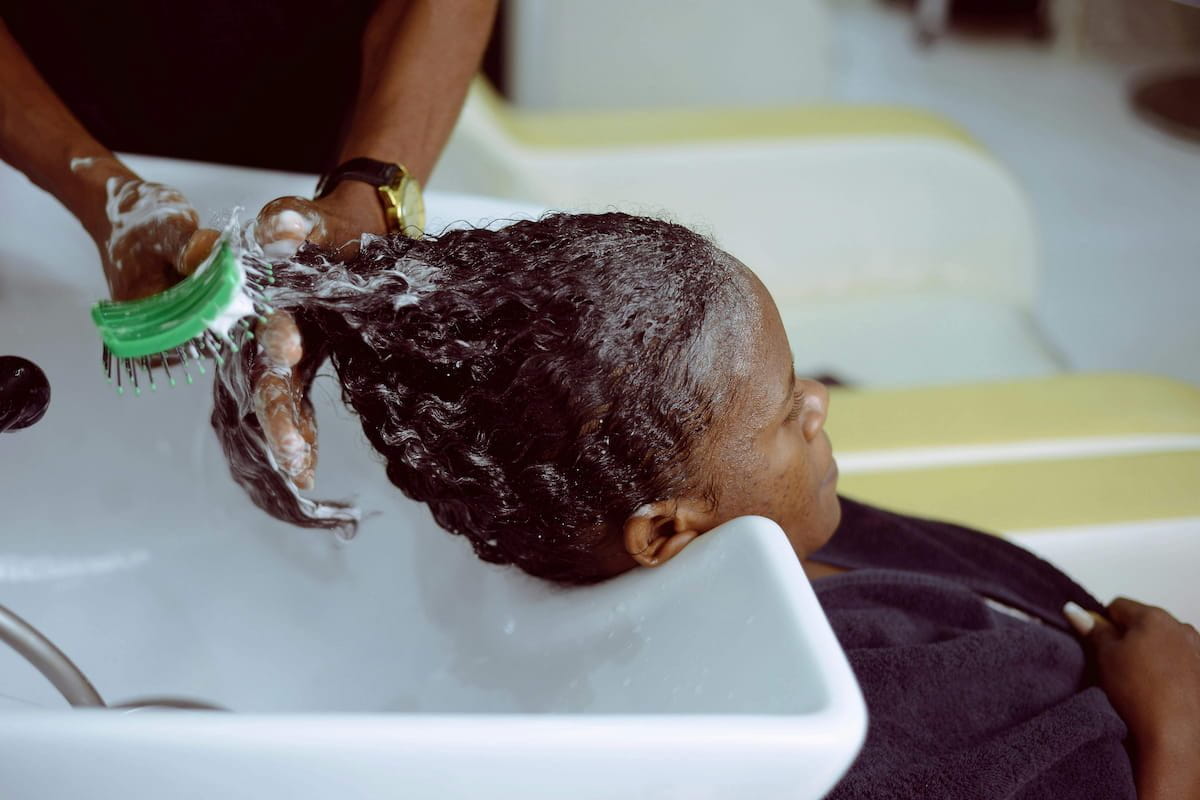
Factors that can contribute to the development or worsening of scalp psoriasis:
I believe it’s important to really understand why managing scalp psoriasis can become more complicated when protective styles (box braids, cornrows, twists, sew-ins, faux-locs, etc.) are involved. Yes, these protective styles are chosen to protect hair and minimize or avoid daily manipulation, but they can also limit access to the scalp and make regular care and cleansing of the scalp even more difficult. When symptoms of scalp psoriasis, like itching, discomfort, flaking and inflammation occur beneath braids, twists, or similar protective styles – it can be very difficult to manage promptly, and difficult to deal with on the emotional side of things. Per Essence, “scalp psoriasis can be particularly burdensome to patients as it often impacts more visible areas of the body, including the hairline, forehead, neck, and around the ears, triggering feelings of self-consciousness that limit many people’s lifestyle choices,” said Jennifer Davidson, D.O.
Here’s the good news! You don’t have to abandon protective styles, as they are a great way to maintain hair health while also avoiding everyday manipulation (heat to hair, detangling, etc.). However, certain style practices- like tight braiding, product buildup, or neglecting scalp care- can lead to irritation and worsen symptoms that are associated with scalp psoriasis. Implementing a few precautionary measures can make a significant difference in keeping the scalp comfortable and minimizing the chances of painful flare-ups.
Here are some tips on how to prevent painful flare-ups / practical flare-prevention strategies (while supporting a healthier, calmer scalp):
Certain lifestyle changes can help reduce the frequency or severity of scalp psoriasis. Here are some lifestyle tips on how to help manage/lower the risk of painful flare-ups:
Managing scalp psoriasis while wearing protective styles is achievable. By choosing protective styles that minimize or avoid excessive tension, maintaining a clean and hydrated scalp and paying attention to early signs of irritation/discomfort, you can significantly reduce the risk of painful flare-ups. Protective styles should always nurture and not stress the scalp, especially those living with psoriasis. It’s possible to maintain both the well-being of your hair and the comfort of your scalp.

By subscribing, you consent to receive emails from BlackDoctor.com. You may unsubscribe at any time. Privacy Policy & Terms of Service.