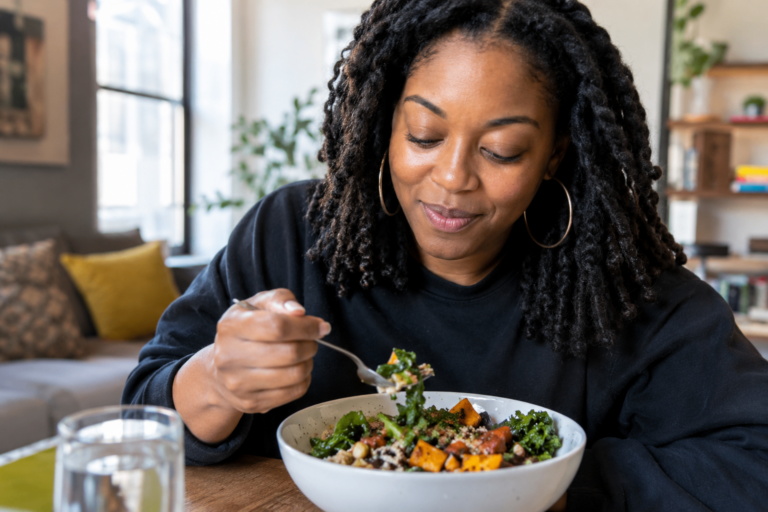
It’s well past time for our community to take the phrase, “you are what you eat,” more seriously. There is so much about our health that we can control just by making smarter eating choices. Inflammation is directly affected by what we consume in our daily diet.
Inflammation is your body’s natural defense system, and the foods you eat can either calm it down or keep it switched on. When you’re injured or fighting off a virus, inflammation helps you heal. But certain dietary patterns, especially those high in added sugars, refined carbohydrates, seed oils exposed to high heat, processed meats, and artificial additives, can trigger ongoing, low-grade inflammation. These foods can spike blood sugar, increase oxidative stress, and stimulate the release of pro-inflammatory chemicals in the body.
Because food interacts with every system in the body, diet-driven inflammation doesn’t stay in one place. A steady stream of ultra-processed foods can contribute to arterial inflammation and heart disease, impair insulin sensitivity and blood sugar control, disrupt the gut microbiome, and even influence mood and cognitive clarity through the gut-brain connection. Chronic inflammation fueled by poor dietary choices can also affect hormone balance, immune resilience, skin health, and joint comfort.
Fortunately, the food we eat can be medicine. Making simple switches in your diet can turn off inflammation when it’s not needed, providing your body with the balance it needs to prevent diseases caused by chronic inflammation. Below, discover what foods you need to eliminate inflammation and start using your plate to heal.
RELATED: 10 Anti-Inflammatory Soup Recipes You’ll Want All Year Long

These vegetables are rich in antioxidants (like vitamin C and beta-carotene), fiber, and powerful plant compounds such as sulforaphane. Sulforaphane has been shown to help reduce inflammatory markers and support detoxification pathways in the liver. The fiber in greens also feeds beneficial gut bacteria, which play a key role in regulating the immune system and calming inflammation at its source.
Your shopping list:

Fatty fish are among the most powerful anti-inflammatory foods because they contain EPA and DHA. These long-chain omega-3 fatty acids actively help resolve inflammation, not just reduce it. They decrease the production of inflammatory molecules and support heart, brain, and joint health.
Protein shopping list:
Chronic inflammation can be fueled by an imbalance of fats in the diet, particularly too many omega-6 fats from processed foods and not enough omega-3s. Foods like olive oil, nuts, seeds, and avocados provide monounsaturated fats and plant-based omega-3s that help lower inflammatory cytokines. Extra virgin olive oil, in particular, contains oleocanthal, a compound with anti-inflammatory effects similar to ibuprofen without the side effects.
Keep the omega-3s coming:
RELATED: 5 Anti-Inflammatory Exercises to Try While Traveling
Fiber is one of the most underrated anti-inflammatory nutrients. When gut bacteria ferment fiber, they produce short-chain fatty acids (like butyrate), which strengthen the gut lining and regulate immune responses. Stable blood sugar from whole grains and legumes also prevents inflammatory spikes triggered by rapid glucose swings.
Add to cart:

Berries and brightly colored fruits are loaded with polyphenols and flavonoids. These natural compounds neutralize free radicals and reduce oxidative stress, one of the main drivers of chronic inflammation. Fruits like cherries and pomegranates are especially known for helping lower C-reactive protein (CRP), a marker of inflammation in the body.
Produce aisle incoming:
A large portion of the immune system lives in the gut. Fermented foods introduce beneficial bacteria (probiotics) that help balance the microbiome. A healthy gut reduces intestinal permeability (“leaky gut”), which can otherwise trigger systemic inflammation. When the gut barrier is strong, inflammatory signals decrease throughout the body.
Gut-healthy options:
No single food “eliminates” chronic inflammation on its own. What makes the biggest difference is a consistent pattern of eating whole, minimally processed foods rich in fiber, healthy fats, antioxidants, and phytonutrients. Think diversity, color, and balance, ensuring your plate looks vibrant and varied at every meal.


By subscribing, you consent to receive emails from BlackDoctor.com. You may unsubscribe at any time. Privacy Policy & Terms of Service.