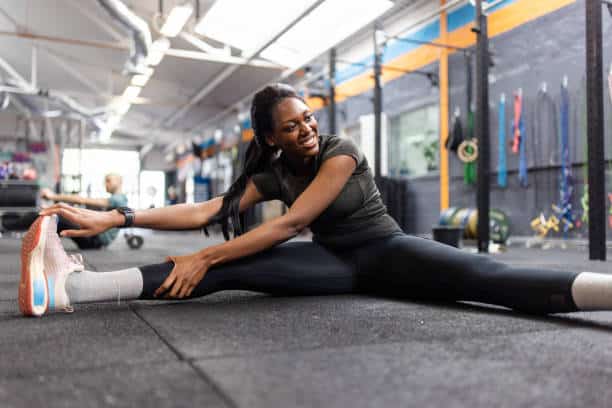
For many individuals living with hypertrophic cardiomyopathy (HCM), the fear of triggering symptoms or serious cardiac incidents can surely make fitness feel out of reach and super risky. Now, we know that completely avoiding fitness is simply out of the question. Engaging in physical activity is vital, not only for maintaining a healthy heart but also for fitness, which contributes significantly to our overall wellness. So, is fitness still possible with HCM? Yes!
Erase the fear that a hypertrophic cardiomyopathy (HCM) diagnosis means the end of all physical activity. This just means that physical activity will look different. Together, we’ll explore safe fitness options and practical guidance to help individuals with HCM stay physically active while prioritizing heart health.
Hypertrophic cardiomyopathy (HCM) is an inherited/genetic heart condition where the heart muscle (myocardium) thickens abnormally, making it harder for the heart to pump blood effectively, as the thickening can block blood flow, and sometimes causes irregular heartbeats and disrupts heart relaxation.
Featured on BlackDoctor
Signs and symptoms of hypertrophic cardiomyopathy (HCM) often include:
Fitness and HCM is possible, but reframing exercise is key. What does “reframing” mean? It’s changing both expectations and approach. Don’t look at exercise as a risk or a physical act that must be super intense, but an intentional act of self-care and wellness that’s planned, focused and promotes body awareness. Here’s how to reframe exercise from dangerous to safe and intentional:
Replace fear with understanding – fear often stems from unpredictability/uncertainty. Learning what fitness options are recommended and best for you helps you gain insight. Understanding creates personal limits and boundaries, and boundaries create safety.
Redefine what “exercise” means to you – make it personalized. Exercise doesn’t have to be super intense, exhausting or competitive. Remove the pressure.
Focus on intention– what’s your goal? Intentional movement prioritizes breath work, body awareness and technique.
Listen to your body – you know your body best. Paying attention to the signs, like dizziness, shortness of breath and chest pain, is exercising wisely.
Rely on trusted healthcare providers – working with a cardiologist ensures a foundation of safety.
The best fitness options for individuals living with HCM are low-impact, mild and moderate-intensity (not intense, gentle, easy, not extreme) aerobic exercise.
Below are a few safe fitness options for individuals with HCM:
Gentle Cycling (flat terrain) is defined as a low-intensity, leisurely, or recovery-focused ride conducted on surfaces with minimal to no elevation change. It is characterized by easy pedaling, a comfortable, conversational pace, and a low heart rate.
Pilates is a low-impact exercise system focusing on core strength, flexibility, posture, and body awareness. It uses controlled, precise movements, often with specialized equipment or on a mat, to strengthen deep muscles, improve balance, and create long, lean muscles, emphasizing the connection between mind and body.
Walking (3-4 mph) is a low-impact, aerobic activity that involves moving at a steady, purposeful pace (briskly) to get your heart rate up, improving cardiovascular health, burning calories, strengthening muscles, and boosting mood.
Biking is a low-impact, aerobic activity using a bicycle (indoor or outdoor) to pedal, improving cardiovascular fitness, building lower body strength (quads, core), and burning calories, adaptable for all ages and fitness levels by adjusting intensity through resistance, terrain, or speed. It’s a versatile workout that’s easy on joints, making it great for those who can’t do high-impact exercises like running.
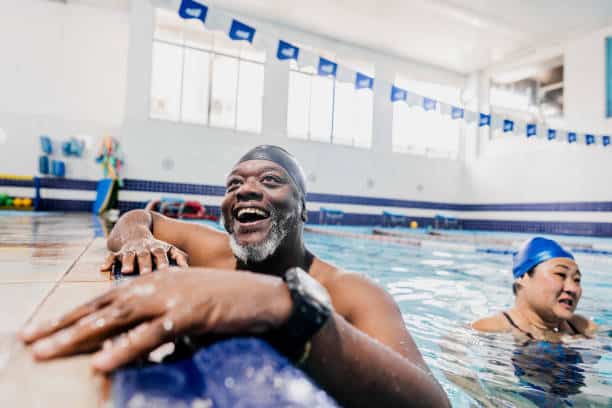
Water Aerobics is a low-impact workout performed in a pool, using the water’s natural buoyancy and resistance for cardiovascular fitness, strength, and flexibility training, making it gentle on joints while still effective for all fitness levels.
Swimming (if assessment doesn’t suggest a risk for passing out) is a full-body workout using coordinated limb and body movements for self-propulsion through water, providing cardiovascular fitness, strength, endurance, and low-impact benefits for all ages, engaging muscles from arms to legs and improving heart/lung health and stress relief. It acts as a resistance training with water’s natural density, building muscle and toning without the joint impact of land exercises, making it ideal for rehabilitation or general fitness.
Gentle Yoga is a slow, accessible, low-intensity style focusing on relaxation, flexibility, and balance, using mindful breathing, supportive props (like blocks and blankets), and modifications to make poses suitable for all levels, ages, and abilities, ideal for stress relief, mobility, and connecting mind and body. It involves longer holds and thoughtful movements, often incorporating restorative poses and breathwork to calm the nervous system and improve overall well-being.
Elliptical Trainer (moderate pace) exercise is a low-impact, cardiovascular, total-body workout that simulates walking, running, or stair climbing, with the user maintaining a steady, manageable speed—typically 50 to 70 percent of their maximum heart rate. It involves continuous, smooth movement of both legs and arms (via handles) with moderate resistance, allowing for sustained aerobic activity with minimal stress on the joints.
Before we wrap up, I believe it’s important to go over some exercise options that are not particularly appropriate for individuals with HCM, as they carry increased risk. Remember, safety first! Below are a few fitness options that individuals with HCM should stay away from:
Heavy weight lifting/powerlifting
High-intensity interval training
Long-distance running
Contact/competitive sports like football, rugby, ice hockey and basketball
Fitness activities involving sudden exertion
Yes, fitness with hypertrophic cardiomyopathy (HCM) may require caution, but it does not mean giving up fitness entirely. With proper and trusted medical guidance, a clear understanding of individual limits, and a focus on safety first, individuals with HCM are able to exercise safely and intentionally.
BlackDoctor is the world’s largest and most comprehensive online health resource specifically for the Black community. BlackDoctor understands that the uniqueness of Black culture - our heritage and our traditions - plays a role in our health. BlackDoctor gives you access to innovative new approaches to the health information you need in everyday language so you can break through the disparities, gain control and live your life to its fullest.
✦ AI Search Disclaimer This AI-powered search tool helps you find relevant health articles from the BlackDoctor.org archive. Please keep the following in mind:
✦ For Informational Purposes Only The information provided through this AI search is for general educational and informational purposes only. It is not intended as a substitute for professional medical advice, diagnosis, or treatment.
✦ Always Consult a Healthcare Provider Never disregard professional medical advice or delay seeking it because of something you have read through this search tool. If you have a medical emergency, call your doctor or 911 immediately.
✦ AI Limitations This search tool uses artificial intelligence to help match your queries with articles in our archive. While we strive for accuracy, AI-generated results may occasionally be incomplete, outdated, or not fully relevant to your specific situation.
✦ No Doctor-Patient Relationship Using this search tool does not create a doctor-patient relationship between you and BlackDoctor.org or any healthcare provider.
Explore over 35,000 articles and videos across black health, wellness, lifestyle and culture