When was the last time you went to the doctor just because you were supposed to, not because something felt off or you were in pain?
If you had to think about it for more than a second, you’re not alone.
A lot of us are juggling work, kids, aging parents, relationships, bills, and, somewhere in the middle of all that, routine checkups are either the last thing on our lists or they fall off completely.
But many of the conditions that affect Black women most—like high blood pressure, diabetes, and certain cancers—often develop quietly. By the time symptoms show up, they’ve already been there for a while.
Here’s the truth: those routine checkups, aka preventive care, shouldn’t be considered extra. It’s how we catch things early, stay in control, and protect our quality of life for the long run.
So let’s talk about the routine checkups many of us miss, and why they actually matter. Keep this list and schedule your annual exams soon.
Let’s start with your annual physical exam, because we assume we don’t really need it.
You might be thinking, “I feel fine, why should I go?”
That annual visit is when your doctor checks your blood pressure, weight, heart and lungs, and runs basic labs. It’s also where patterns start to show before symptoms do.
Black women are disproportionately affected by conditions like high blood pressure and heart disease, often at younger ages. According to the Centers for Disease Control and Prevention (CDC), Black adults have some of the highest rates of hypertension in the world.
You don’t want your first clue to be a crisis. That yearly check-in? It’s your early warning system.
RELATED: Annual Health Checks That Every Diabetic Needs
We mentioned this above, but blood pressure screenings deserve another shout-out.
High blood pressure is often called the “silent killer” because you can have it and feel completely normal.
No headaches. No dizziness. Nothing.
And yet, over time, it can damage your heart, brain, and kidneys.
The American Heart Association estimates that more than 70% of Black women will have high blood pressure by 2050.
If you haven’t had your numbers checked recently—even at a pharmacy or home monitor—it’s time.
RELATED: How to Check Your Blood Pressure at Home
These are the labs some of us skip unless a doctor specifically orders them.
But they matter because they test for high cholesterol and elevated blood sugar, which don’t always show symptoms early.
Having a simple blood test and knowing your levels can help prevent heart disease and type 2 diabetes.
Black adults are already significantly affected by diabetes, with about 12.4% living with the condition, according to the U.S. Department of Health and Human Services Office of Minority Health.
Regular screening, which consists of simple blood tests—like fasting glucose and A1C tests—can tell you where you stand and give you time to adjust before things escalate.
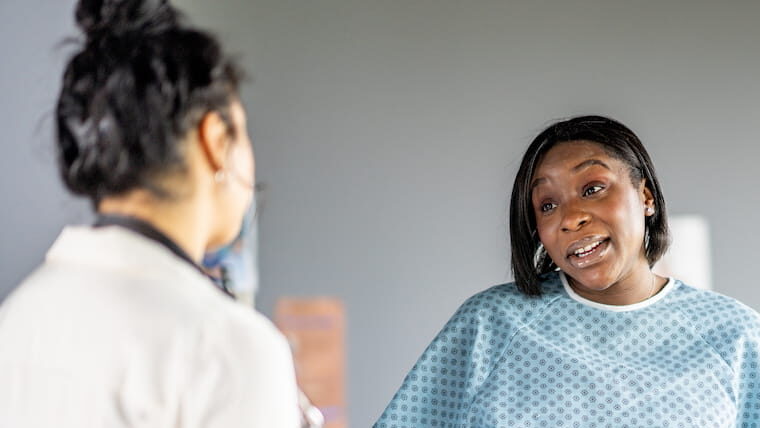
Let’s talk about it. Pap smears aren’t exactly anyone’s favorite appointment. They can feel uncomfortable, invasive, and easy to put off.
But skipping them isn’t harmless.
Cervical cancer is one of the most preventable cancers, but only if it’s caught early. Each year in the U.S., about 13,000 new cases are diagnosed, and more than 4,000 women die from it, according to the American Cancer Society.
The Centers for Disease Control and Prevention (CDC) notes that regular Pap tests can find precancerous changes so they can be treated before cancer develops.
Ladies, this is one of those appointments where a little discomfort now can prevent something much bigger later.
RELATED: Could a Pap Test Help Detect Breast, Ovarian Cancers Too?
There’s a complicated relationship here for a lot of us—fear, family history, stories we’ve heard.
But the reality is that some forms of breast cancer—like triple-negative breast cancer—are more aggressive and harder to treat, which makes early detection especially important.
Breast cancer is also one of the most common cancers among women in the U.S., so routine screening isn’t something to put off. Mammograms don’t prevent cancer, but they can catch it early, when it’s most treatable.
Depending on your age and risk factors, your doctor will recommend when to start. The key is not to avoid the conversation altogether.
We don’t always think of mental health check-ins as routine care, but they should be.
There was a time when we didn’t talk about mental health at all.
Today, the conversation has opened up—but it’s still not where it needs to be.
How are you really doing?
Not the “I’m good” you give everybody else, but the honest answer.
The National Alliance on Mental Illness (NAMI) reports that stigma and lack of access often prevent Black communities from seeking mental health care
Therapy, counseling, even just a real conversation with a provider, it counts. Your mental health is part of your overall health. Period.
For some of us, the dentist is just a no. Whether you had trauma or don’t like the sound of those drills.
But it’s important to know that our oral health is directly connected to heart health, diabetes, and more.
Skipping cleanings and exams can lead to gum disease, infections, and complications that go beyond your mouth.
The CDC highlights that untreated oral health issues can contribute to chronic disease, so if it’s been a while, you’re not the only one. But it’s worth getting back on track.
RELATED: Smile Bright: 8 Ways Oral Health Impacts Your Mental Well-Being
Sisters, let’s be honest, we’re not just forgetting to make the appointments.
We’re not feeling heard.
Maybe the cost is giving you pause.
Maybe your time is just stretched so thin.
On a very real note, you could be skeptical of the healthcare system.
All of this is valid.
But at the end of the day, our health deserves attention. As early as our 20s. Even when the system hasn’t always shown up for us.
RELATED: 10 Essential Check-Ups You Need to Schedule After 40
We’re holding your hand as we say this, so you can use the other hand to write this down.
Consistency is all that matters right now.
We’re taking care of a lot, but let’s not wait until something is wrong to take care of ourselves.
When’s your next checkup?
If it’s not on the calendar yet, it’s time.

By subscribing, you consent to receive emails from BlackDoctor.com. You may unsubscribe at any time. Privacy Policy & Terms of Service.