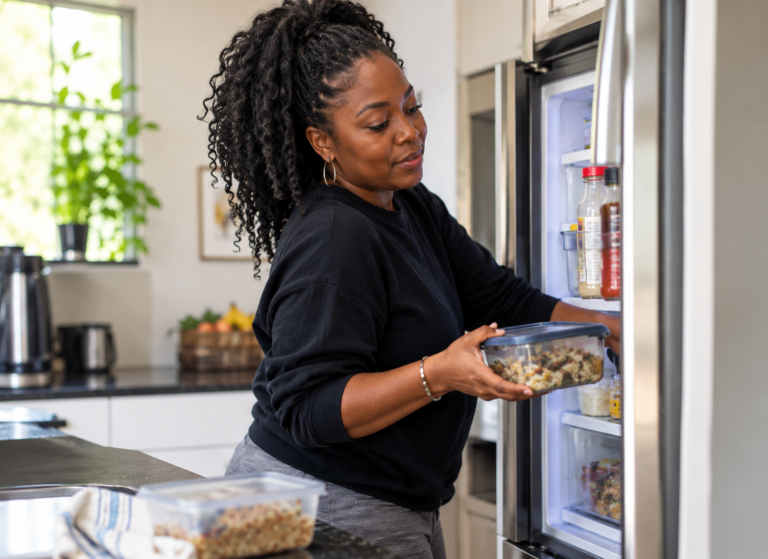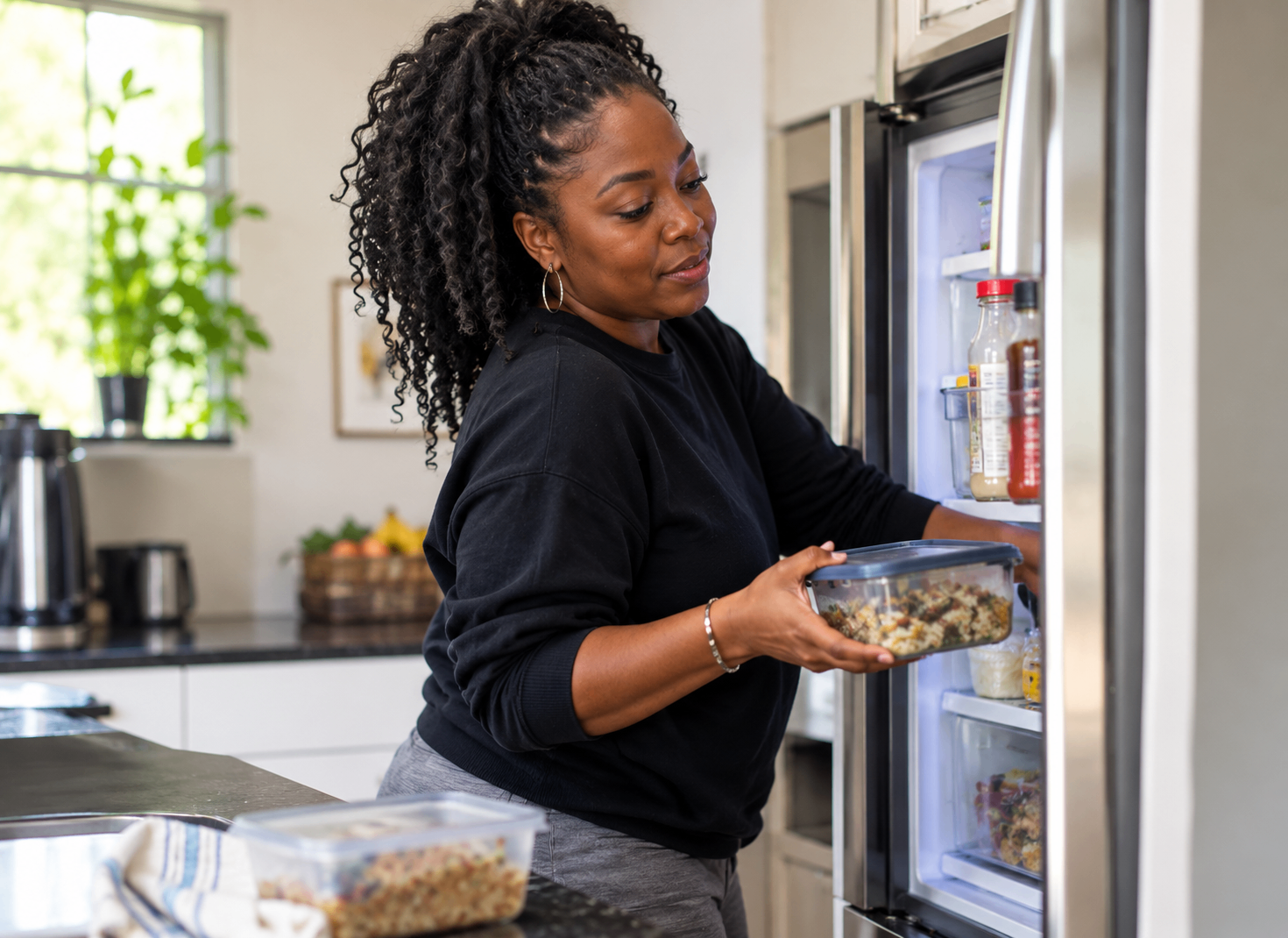
It’s practical, it’s money-saving, and people have been doing it for quite some time now.
We’re talking about to-go plates. For many people, yesterday’s chicken, rice, or stew becomes today’s convenient lunch. And while this sounds like a good idea all-around, what if there’s a negative aspect many people are missing?
For individuals with mast cell disorders, certain takeaway foods may make digestive symptoms more challenging to manage. Mast cells are immune cells involved in inflammatory and allergic responses, and some individuals experience reactions to particular food ingredients or other triggers. These reactions can vary considerably in severity and may sometimes be difficult to predict.
And one of the main reasons is the formation of histamine in certain foods through bacterial activity. Specific bacteria produce enzymes that convert the amino acid histidine into histamine, particularly during fermentation, aging, and improper food storage.
Fortunately, by understanding which leftovers are most likely to become high-histamine, people across the spectrum of tolerance and sensitivity can better manage their reactions.
Let’s break down six reasons to reconsider all that to-go food, and what you can do instead…
Who doesn’t like a nice fish fillet, a juicy burger, or some grilled or barbecued chicken?
Well, while most people can certainly enjoy these delicious, cultural staples, their low-histamine starting point can become problematic over time. As they sit, bacteria continue working, and histamine levels climb—even in the refrigerator.
Overall, certain fish and processed or ground meats may be more susceptible to histamine accumulation because of their composition, increased surface exposure, and potential bacterial activity. However, storage temperature, freshness, and handling practices are among the most important factors influencing histamine formation. If you have a histamine sensitivity, pay particular attention to food freshness and any symptoms following consumption.
For instance, if you regularly pack leftover grilled chicken or other cooked proteins for lunch, and start feeling flushed and itchy (even when eating the proteins the night you cooked them elicited no symptoms), it may be time to talk with your doctor.
A long-simmered broth can hit the spot, especially when you’re feeling a little under the weather, all bundled up indoors during the winter. And there’s a reason for this. Many of these slow-cooked soups, broths, and stews can be nutrient-dense and comforting.
But what happens when these foods are cooled and stored?
Certain bacteria can produce histamine as they grow, particularly when food is stored under unsuitable conditions.
Once cooled and stored, these otherwise beneficial recipes may present additional considerations for people sensitive to histamine. Certain bacteria can produce histamine as they multiply, and protein-rich, moist foods may provide conditions that support this process. Although proper refrigeration slows bacterial growth, storage time and temperature can still influence the potential for histamine formation.
This is not all that uncommon. Many people who tolerate a fresh pot of soup will find that the very same soup two or three days later triggers symptoms. A practical precaution is to divide freshly prepared soup into single-serving containers, refrigerate portions for short-term use, and freeze the rest promptly. Freezing helps prevent further histamine production while the food remains frozen, although it cannot remove histamine already present.
Follow standard food-storage guidance:
We’ve been hearing a lot about the health benefits of fermented foods, specifically items like sauerkraut, yogurt, kimchi, and kombucha. Here’s the catch, though. Certain fermented foods can contain substantial amounts of histamine as a result of microbial activity during fermentation. However, levels vary considerably depending on the food, bacterial cultures, and production methods.
Combining them with other leftovers may contribute to additional histamine formation under certain conditions. Proper refrigeration helps slow this process, although it doesn’t guarantee that histamine levels will remain unchanged. Chronic exposure can lead to inflammation, systemic symptoms, allergic and/or autoimmune diseases, and even anaphylaxis, so never ignore recurring issues, especially if there’s a temporal association with what you’re eating.
Many fruits and vegetables are rich in essential vitamins, minerals, and antioxidants that support overall health. But for individuals sensitive to histamine, certain plant foods may still present challenges. Some may contain histamine, while others have been associated with symptoms in sensitive individuals, although the underlying mechanisms are not always clear.
Take, for example, foods like spinach, avocado, tomatoes, eggplant, and some citrus fruits. Many of them can become more problematic after they have been cut or cooked and then stored. Generally, the longer they sit, the more they can trigger symptoms in sensitive people.
This is why you should use these foods as close to preparation time as possible. Also, try to avoid large batches of pre-chopped high-histamine produce, as this can make a noticeable difference.
Various cooked grains and pasta can support the growth of histamine-producing bacteria. In cases where they’re cooled slowly or stored for a day, the likelihood increases.
The risk may rise even further when these starches are mixed with proteins or sauces and then put in the refrigerator.
For this reason, sensitive individuals may choose to cool cooked grains rapidly in shallow containers and refrigerate them promptly. Although there is limited evidence that cooked grains routinely accumulate significant amounts of histamine, proper storage is important for food safety. Refrigerated portions should generally be consumed within 3–4 days, or frozen promptly if they are intended for longer storage.
Once they’re opened, a new clock begins.
And the foods can range far and wide, everything from canned tuna to beans, olives, pickles, and similar canned and jarred foods. We should also consider that exposure to air and time in the fridge allows histamine to accumulate.
If you find that you tolerate a freshly opened can of food but experience symptoms after eating the same food following storage, several factors could be involved, including changes in microbial activity and, potentially, histamine formation.
The good news is that proper storage can help reduce food-safety risks. Transfer unused portions to a clean, airtight container and refrigerate promptly. If you don’t plan to use them within a few days, freeze them in individual portions. Freezing helps prevent further bacterial growth and potential histamine production, although it cannot remove histamine that has already formed.
So now that we’ve identified a lot of the culprits, what can be done?
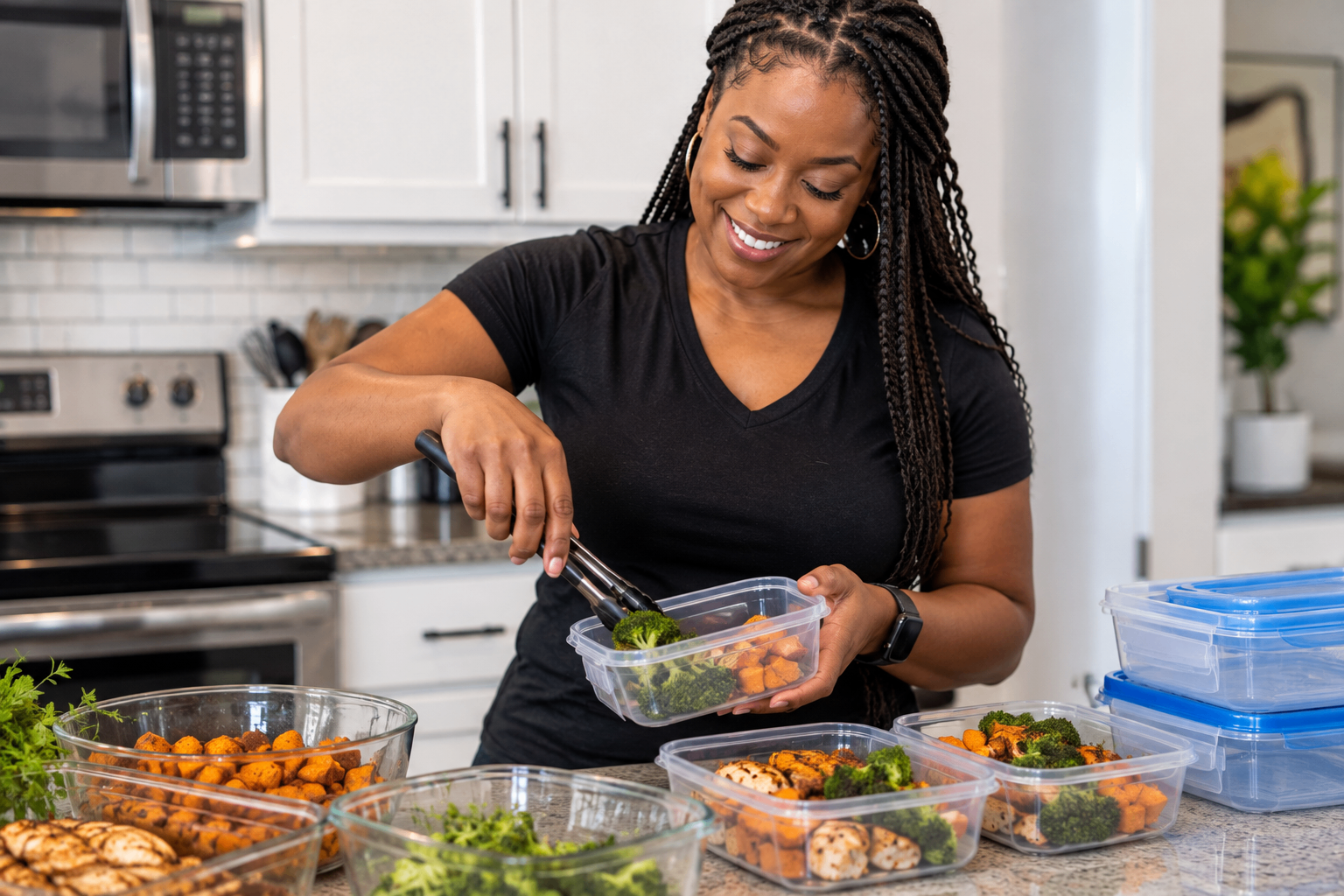
As previously mentioned, rapid cooling is one of the most effective steps. To do this, simply divide hot food into shallow containers and refrigerate within 90 minutes. You should also never leave large pots on the counter for hours.
As previously mentioned, rapid cooling is one of the most important steps in safe food storage. To do this, divide hot food into smaller, shallow containers and refrigerate promptly, ideally within two hours of cooking. You don’t need to wait for food to reach room temperature before refrigerating it. Avoid leaving large pots of soup, broth, or stew sitting on the counter for extended periods, as they can take much longer to cool safely.
As a rule of thumb, if you don’t plan to use them within a day or two, consider freezing individual portions promptly. Freezing is an effective way to prevent further bacterial growth and potential histamine production while food remains frozen, although it cannot remove histamine that has already formed.
When storing, ensure that you’re using clean, airtight containers. And when reheating something to eat, only reheat the portion you want to heat. Repeated temperature swings from reheating and re-cooling may encourage additional bacterial activity, so this is important to remember.
Over time, if you implement these simple guidelines and discuss any issues with your doctor, the kitchen can transform. Instead of a mystery that leads to potential misery, it becomes a more controlled, supportive environment.
Rethinking the to-go plate does not mean giving up convenience. It merely means you’re adjusting a few key steps to stay healthier and keep things more predictable. With some consistent habits, like fast cooling, short fridge times, prompt freezing, and risk awareness, you’re finding the path of least resistance.
And one that can help you enjoy your culinary creations with greater confidence.


By subscribing, you consent to receive emails from BlackDoctor.com. You may unsubscribe at any time. Privacy Policy & Terms of Service.