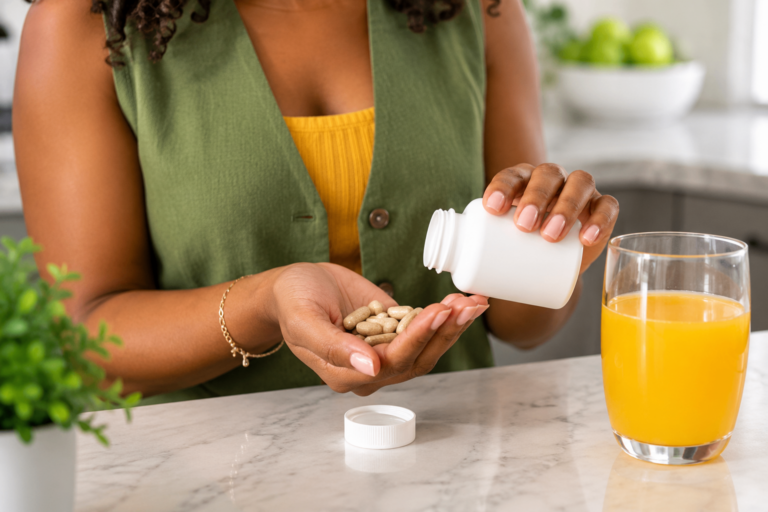
GLP-1 medications are making a big impact when it comes to blood sugar, weight, heart health, and even how you move each day. But if you’re thinking about starting one, it’s just as important to know how they work, what the risks are, and how to keep up with healthy habits along the way.
GLP-1s and GIPs help you feel fuller for longer and cut down on those cravings that can make healthy eating tough. By quieting your hunger signals, you might find yourself eating less without even trying.
“When it comes to your stomach and your digestion, what they also do is slow down your digestion, so that makes you feel full after eating a meal. You can no longer consume a large meal because you feel really, really full, and it also reduces your blood sugar,” Dr. Marlyn D. Hirsch, DNP-FPA, a Chicago-based Doctor of Nursing Practice with Full Practice Authority, tells BlackDoctor.
These medications also help your body release more insulin after you eat, which keeps your blood sugar in check. They even help your liver make less extra sugar, so you’re less likely to have those blood sugar spikes.
GLP-1s and GIPs can help you lose weight and body fat over time. But here’s something important: losing weight isn’t just about the number on the scale—you want to make sure you’re losing fat, not muscle.
“You do have a risk of losing muscle because a lot of times clients who are on GLP-1s don’t eat enough because they don’t realize that they still have to eat,” Dr. Hirsch adds.
If you’re taking GLP-1s, don’t forget that your body still needs good nutrition to stay strong and healthy.
“Many people don’t do that, which leads to fat loss, but it can ultimately lead to muscle loss, which is something we try to educate on every day,” Dr. Hirsch explains.
Just because you’re eating less doesn’t mean you should skip out on the nutrients your body needs. Keeping up with balanced meals helps protect your muscles and keeps you feeling your best as you work toward your goals.
While GLP-1s and GIPs can do a lot of good, it’s important to know about the possible risks and side effects, too.
Certain individuals may not be appropriate candidates for these medications. For example, people with a personal or family history of medullary thyroid carcinoma or a history of serious allergic reactions to a GLP-1 or GIP medication may be advised against using them. A qualified healthcare provider can help determine whether these medications are appropriate based on your medical history.
Some people notice side effects like nausea, vomiting, or constipation when they start these medications.
“The side effects include nausea, sometimes vomiting, and chronic constipation. That happens because the GLP-1 and GIP receptors attach in your gut and slow down gastric emptying, so that’s going to decrease your bowel movements. That’s something we also have to educate patients about, ensuring that they are taking medication if needed and getting more roughage, more fiber, and more water to ensure that they’re moving their bowels,” Dr. Hirsch says.
Drinking plenty of water, adding more fiber to your meals, and talking to your doctor if tummy troubles stick around can all help you feel better.
RELATED: Therapy, GLP-1s, Fertility: Will Your 2027 Health Plan Cover Them?

You might hear about GLP-1s mostly for weight loss, but their benefits go way beyond just what you see on the scale.
If you’re living with diabetes or insulin resistance, these medications can make a real difference in how your body handles blood sugar.
“They are used to improve blood sugar and insulin resistance, so that’s one of the major priorities of these drugs. They lower fasting blood sugar and improve your hemoglobin A1C. Your hemoglobin A1C is one of the measures related to your risk for diabetes, so controlling blood sugar and improving A1C reduces your risk of progressing from prediabetes to type 2 diabetes,” Dr. Hirsch shares.
GLP-1s and GIPs may also contribute to lower blood pressure. Weight reduction can decrease the workload on the heart, potentially improving both systolic and diastolic blood pressure and reducing cardiovascular risk.
Another potential benefit involves cholesterol and triglycerides.
“When it comes to cholesterol and triglycerides, GIPs and GLP-1s can improve HDL, which is your good cholesterol, and decrease LDL, which is your bad cholesterol. That’s one of the amazing things we also see in our patients,” Dr. Hirsch adds.
All of these changes add up to a healthier heart and better overall health.
Losing weight can also make it easier to move and take pressure off your joints.
“They can also decrease joint pain. Anytime you lose weight, you decrease the workload on your joints, which is very important. It’s often estimated that each pound lost reduces pressure on the joints significantly,” Dr. Hirsch explains.
When you lose body fat, your body may make fewer of the signals that cause inflammation, which can help if you deal with aches or swelling.
“A lot of our clients have arthritis and see great results with GIPs and GLP-1s because of reductions in that inflammatory process. In that regard, it can reduce knee discomfort and improve the way they walk, their walking tolerance, and their ability to walk for longer periods of time,” Dr. Hirsch notes.
When you feel better in your joints, move more easily, and know your heart is healthier, it can make a big difference in your everyday life.
If you’re thinking about starting a GLP-1 or GIP medication, make sure you find a healthcare provider who really understands weight management and can guide you through the process.
“There are a lot of providers prescribing GLP-1s and GIPs who don’t really have a weight-management background. They may go by what they think is right as opposed to what the research says. For instance, I’ve had patients come into my clinic who were on the same dose for almost a year, and that’s really not what the research supports,” she adds.
Before you start, have an honest talk with your doctor so you know exactly what you’re taking and what to expect.
Dr. Hirsch recommends asking questions such as:
These questions can help you better understand the medication you’re receiving, its approval status, and what to expect throughout treatment.
She also recommends requesting a comprehensive weight assessment. This may include a body composition scan that measures muscle mass and body fat.
Keeping an eye on your muscle and body fat is key, since some people lose muscle on these medications. If you notice changes, your healthcare team can help you make adjustments before it becomes a bigger issue.
It’s also important to know which symptoms mean you should call your doctor right away.
“It’s very important to properly manage those patients and discuss any side effects they should report immediately, such as severe abdominal pain, upper quadrant pain that radiates to the back, or persistent nausea and vomiting. Those are things that should be included when they see a doctor,” Dr. Hirsch explains.
A lot of people think GLP-1 medications are just for diabetes, but that’s not the whole story.
Some GLP-1 medications are actually approved for long-term weight management, even if you don’t have diabetes. They can also help with things like blood pressure, cholesterol, and heart health.
The most important thing to remember is that these medications aren’t one-size-fits-all. Your treatment should fit your health history, your needs, and your goals.
Medication can be a helpful tool, but healthy habits are still the foundation of your wellness journey.
When it gets colder and the days get shorter, it’s easy to let your routine slip. And with the holidays coming up, staying active can feel even harder.
Dr. Hirsch recommends starting small and finding opportunities to incorporate movement throughout the day.
“Ten to fifteen minutes a day is a great start if you’re stuck in the house, but you want to work up to at least 150 minutes per week. That comes out to about 20 to 25 minutes of movement each day,” she says.
“You can walk in place. You can do chair exercises. There are YouTube videos I see all the time where you can do chair aerobics. They’re very easy to do.”
What matters most is finding movement that fits your life and sticking with it, even if you start small.

With family get-togethers, big meals, and all those tempting desserts, it’s no wonder healthy eating feels tough during the holidays.
Dr. Hirsch encourages people to remain mindful of their choices and avoid slipping back into habits that could derail their wellness progress.
“Because the holidays are coming, you have to have control. This is a challenge during the holidays. People have to understand that they can’t go back to those old habits because that is going to set them back in their wellness journey. I think most people do a great job with that, but it involves controlling the instinct to eat more sweets and overindulge,” Dr. Hirsch notes.
You don’t have to skip your favorite holiday treats or feel guilty for enjoying them. It’s all about finding balance—letting yourself have a taste of what you love, savoring each bite, and listening to your body when it tells you you’ve had enough.
Hydration is another important part of maintaining your health, especially during the busy holiday season.
“During the holidays, families are celebrating and drinking, so staying hydrated is very important. Also, prioritize sleep. That’s not always easy to do during the holidays, but we emphasize that as well,” Dr. Hirsch adds.
Making sure you get enough rest and stay hydrated can really help you feel your best, even when the holiday season gets overwhelming.
Taking care of your body is important, but don’t forget about your mind and emotions. Your mental health matters just as much as your physical health.
If you find yourself feeling more stressed or lonely during the holidays, you’re not alone. The shorter days and less sunlight can really affect your mood, and it’s okay to acknowledge that.
“Because the days are shorter during that time of year, people are affected by that. So getting natural daylight and sunlight, opening the windows, and making sure you get some daylight during the day is very important,” Dr. Hirsch explains.
Try to find small moments to practice gratitude and reach out to people who lift you up. Even a quick call or message can make a difference.
If you’re spending the holidays on your own or far from loved ones, look for ways to connect with others—even if it’s just joining a small gathering or reaching out to someone new. Sometimes, a little connection can go a long way in lifting your spirits.
Remember, it’s okay to step back and take a breather if things start to feel overwhelming. Give yourself permission to pause, recharge, and put your mental well-being first.
Whether you’re taking GLP-1s, working toward weight-management goals, or simply trying to maintain healthier habits, consistency is what helps keep you moving forward.
The holidays don’t have to derail your progress. With thoughtful nutrition, regular movement, proper hydration, adequate sleep, and attention to your mental health, you can enjoy the season while continuing to prioritize your wellness.
Even when life gets busy, making small, intentional choices for your health can really add up over time.
That might look like keeping up with your appointments, checking in on your goals, and being mindful of what you’re eating—even when holiday treats are everywhere you look.
Just remember, your wellness journey keeps going, even during the holidays. You can celebrate, soak up the season, and still take care of yourself. It’s not about being perfect—it’s about showing up for yourself, one day at a time.


By subscribing, you consent to receive emails from BlackDoctor.com. You may unsubscribe at any time. Privacy Policy & Terms of Service.