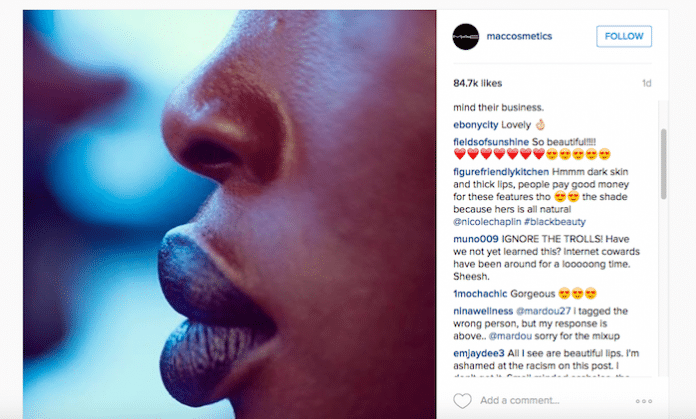
This year marks 10 years since the viral moment that focused on Black lips. As racist comments went into an uproar over MAC lipstick’s 2016 picture of a beautiful Black woman’s lips on social media, many thought how could something so beautiful be hated on so much? For centuries, Black people have defined our own beauty and didn’t have to rely on someone else’s idea of what beautiful is.
Since then, MAC has released a statement that their makeup does not discriminate. The cosmetic company posted on their Instagram that they are for “All Ages. All Races. All Sexes.”
The model, Aamito Langum, also had her own comments in which she posted on her Instagram (@aamito_lagum )saying “My lips giving you sleepless nights. On @maccosmetics IG. Thank you @maccosmetics for this killer color and to that makeup artist .ama get me 3 of these.” What a gracious response for all the haters!
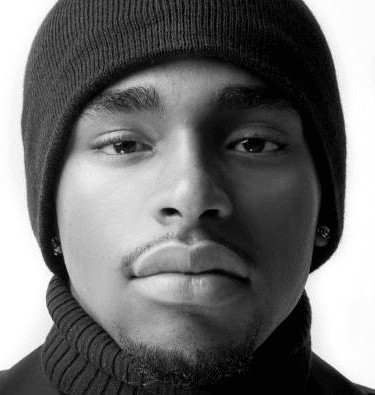
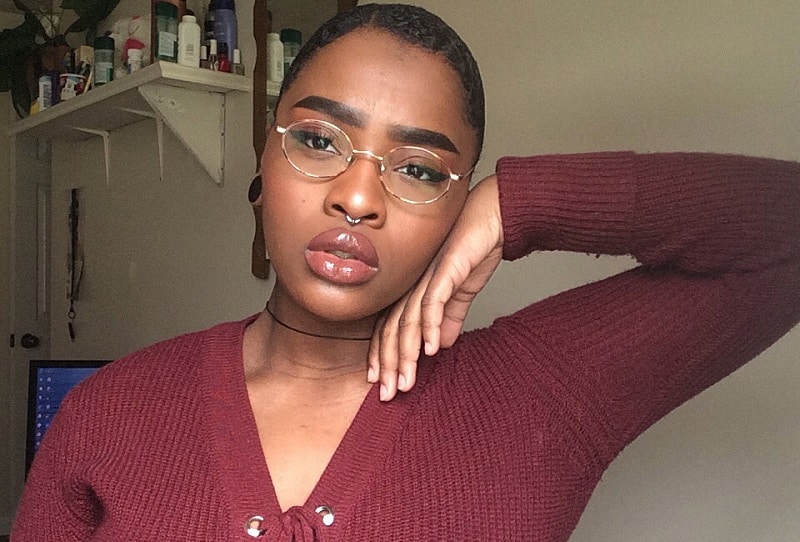
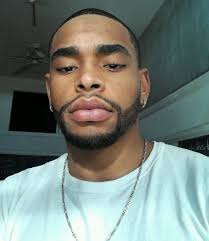
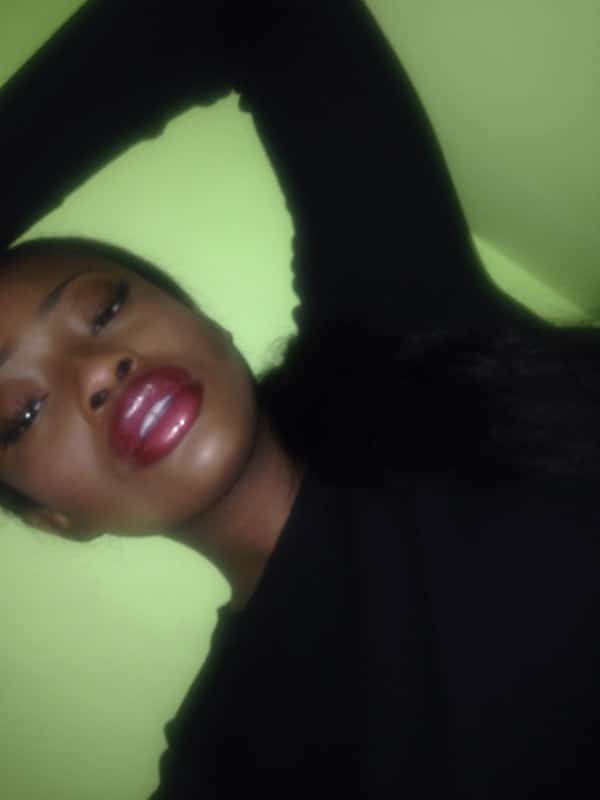
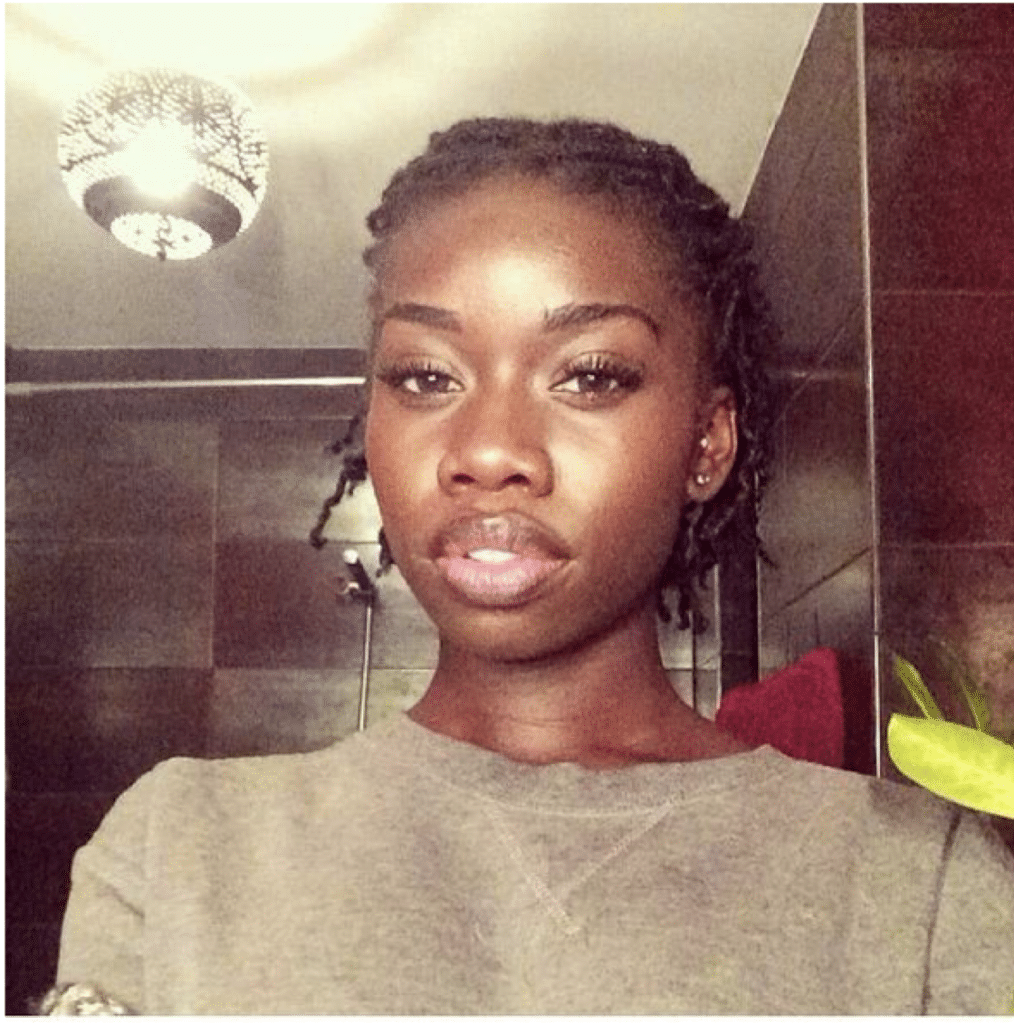
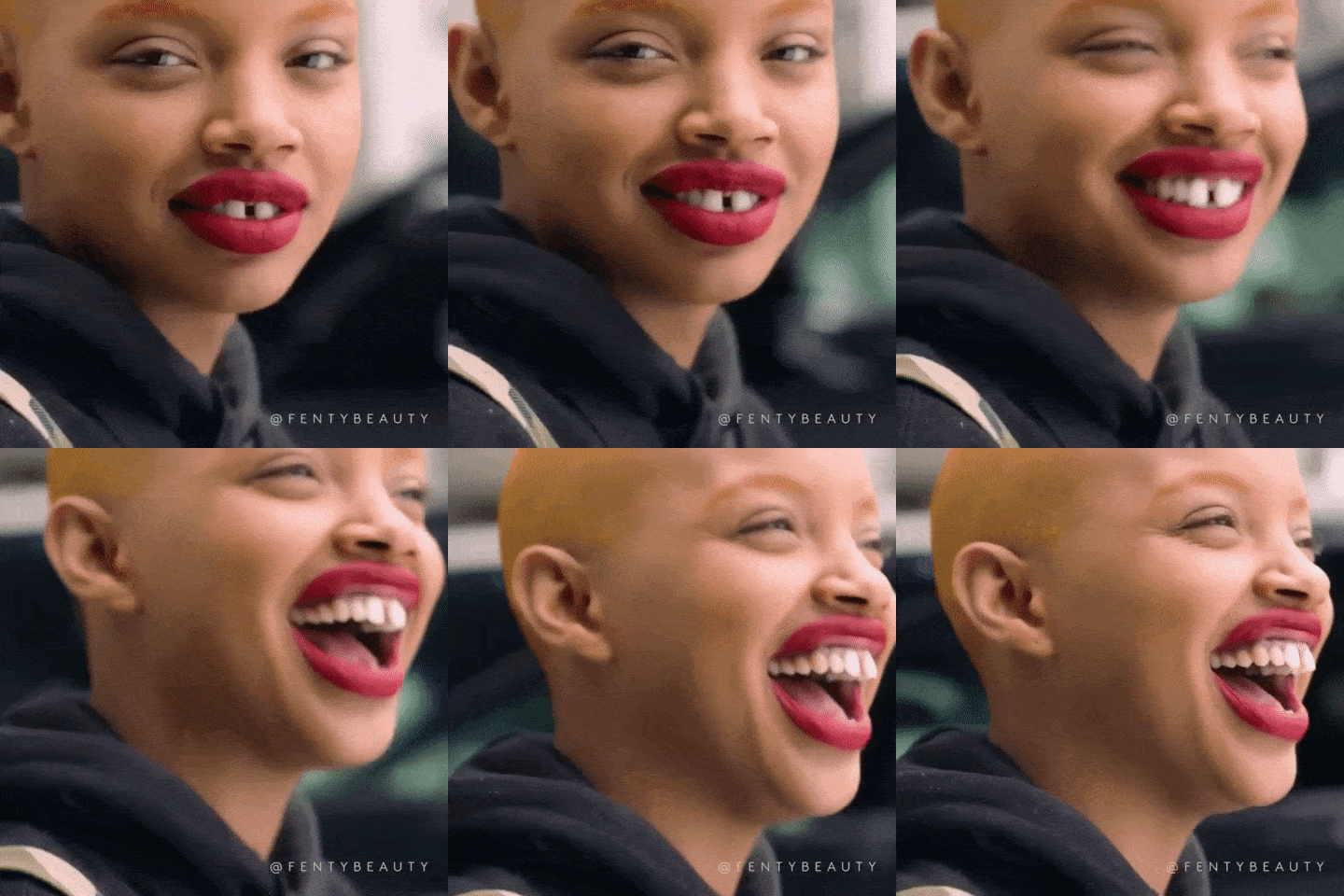
So many took to social media and used the hashtag #prettylipsperiod to showcase just how gorgeous plump brown lips are. Now, four years later, many are still showcasing their beauty.
Black IS beautiful! And here are the lips from all across social media to prove it.

In the 19th and early 20th centuries, Eurocentric beauty standards dominated American culture. These ideals favored traits like thin lips, lighter skin, and straight hair.
As a result, some African Americans experienced pressure to downplay or alter Afrocentric features, including lips, hair texture, or skin tone. This created tensions between natural identity and social acceptance.
But beginning in the mid-20th century, movements such as “Black Is Beautiful” challenged the idea that African features were inferior.
This movement encouraged people of African descent to celebrate natural characteristics—including:
These features became symbols of racial pride, resistance, and cultural authenticity.


African American full lips are more than just a physical trait. They represent:
Together, these layers make the feature culturally and historically significant within African American identity and the broader African diaspora.


By subscribing, you consent to receive emails from BlackDoctor.com. You may unsubscribe at any time. Privacy Policy & Terms of Service.