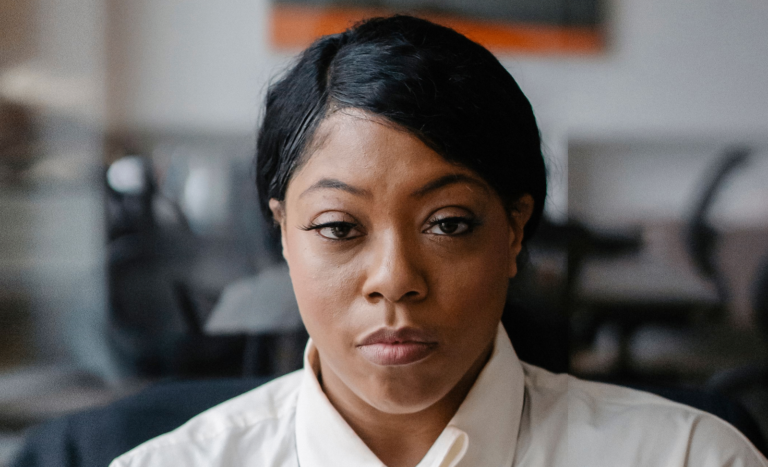
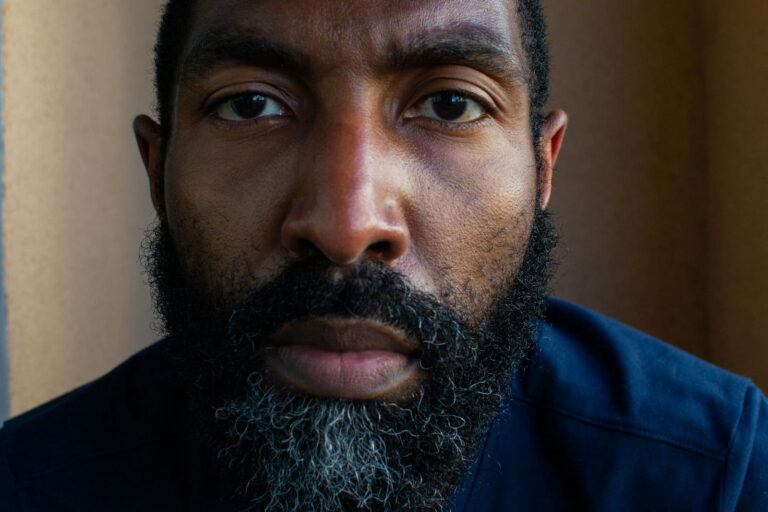
Cardiovascular disease is the leading cause of maternal death in the U.S. Black women, in particular, are at high risk of life-threatening pregnancy-related complications. This is a lesson Shemellar Davis, unfortunately, learned from first-hand experience.
She was just 29 when she was diagnosed with postpartum cardiomyopathy (a form of pregnancy-related heart failure) and high blood pressure after giving birth to her second son.
The diagnosis was discovered during an echocardiogram, which doctors performed after Davis expressed that she wasn’t feeling well.
The heart ultrasound found the culprit to be an enlarged heart struggling to function.
However, Davis didn’t realize the seriousness of the disease until about three weeks later, when her mother passed away at age 52 from complications of congestive heart failure.
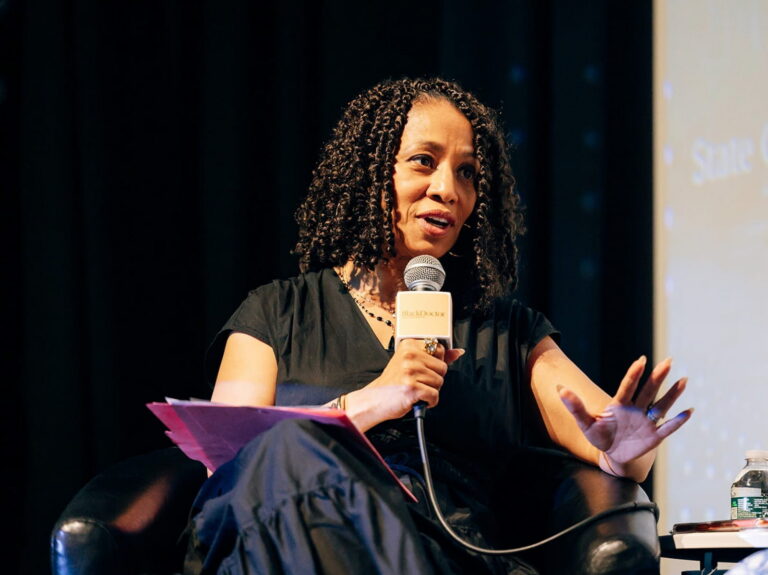
BlackDoctor.org sat down with the volunteer for the American Heart Association’s Go Red For Women “Real Women” initiative to discuss her diagnosis, erasing stigma, the importance of knowing your family history, how women can stay healthy during pregnancy, and what she learned from her experience.
After I was diagnosed with these conditions, I didn’t understand the seriousness of these conditions. I assumed that “postpartum” meant that it would go away soon after the postpartum period. I didn’t understand the severity until my mother passed away from congestive heart failure, three weeks later.
I didn’t have any symptoms that I considered abnormal during the pregnancy; tiredness and swollen ankles can be indicative of pregnancy. After the pregnancy and diagnosis, I did experience heart palpitations quite frequently. In my mind, I thought the medication would cure my condition. I was also worried about how the medication would affect my breast milk and, ultimately, my son.
RELATED: Heart Failure at Age 30: “I Was Absolutely Terrified”
I became obsessive with my diet, which included no added salt, low sodium, and only organic foods. As time passed, I learned I should have a balanced diet, including low sodium intake. Eventually, I became a vegetarian. I also learned the importance of exercising and made this a part of my daily routine.
There is a significant family history of hypertension and cardiovascular disease for women and men in my mother’s family history. The major trigger for the women in my family is pregnancy and childbirth.
Knowing your family history is pivotal in being a survivor of hypertension and cardiovascular disease. Also, knowing your family history helps identify risk factors and allows for early detection and preventive measures. This provides a snapshot of potential risks, but we can’t escape our genetics. However, we can live a lifestyle conducive to beating and surviving these conditions.
Stereotypes are deadly, that’s why knowing your family history is very important. Such stereotypes can lead to misconceptions and hinder awareness and support. Cardiovascular disease can affect people of all ages, genders, and backgrounds. It is a medical condition that requires empathy, understanding, and appropriate medical care. Go to the doctor, get your checkups, and ask questions about your heart health. Anyone can be affected.
It is very important to “know your numbers”. The American Heart Association stresses the importance of this. Sadly, many women in our community do not understand what this means. Also, as I mentioned before, ask questions about your heart health. Schedule and attend regular prenatal check-ups and communicate openly about any concerns or symptoms you may experience. Most importantly, “Listen to your body”. This is the most important aspect of self-care and overall well-being.
I am very aware of what I put in my body, I understand when my body is stressed and what I need to do to manage that stress.
RELATED: A Joyous Birth, Followed by Heart Failure
In my experience, taking charge of your health is contagious. This has been evident since becoming a part of the Go Red For Women 2023 Class of Survivors.
I am the author of my story. I didn’t like where my chapter was going, so I started a new one. Life is not over when one has a diagnosis such as mine. One can live a full life with proper diet, exercise, and stress management. Go Red For Women offers valuable literature to help you on your journey.
I leave you with this, “Your body is your home, take care of it; it’s the only place you have to live.”


By subscribing, you consent to receive emails from BlackDoctor.com. You may unsubscribe at any time. Privacy Policy & Terms of Service.