
The National Institute of Diabetes and Digestive and Kidney Diseases reported that out of one hundred people per group surveyed, Black people are at the top of the list for those living with obesity at 48 percent, Hispanics ranked second at 42 percent, and white people ranked 36 percent. What makes one group more predisposed to obesity than another? Some factors include lifestyle choices, access to healthier options (grocery stores, restaurants, farmers’ markets, etc.), culture, and tradition ((National Institute of Diabetes and Digestive and Kidney Diseases)¹.
Overweight and obesity – it sounds the same, right? Contrary to popular belief, being overweight and obese are two different things! Yes, there are similarities, but they differ. Your body mass index (BMI) is one way to tell if you are at a healthy weight, overweight, or have obesity. BMI is a measure based on your weight in relation to your height. The greater your BMI, the greater your risk of health problems from being overweight and obese.
So, what is classified as having overweight? According to the World Health Organization (WHO) and the Centers for Disease Control and Prevention (CDC), a person with overweight is defined as having a BMI of 25 to 29.9 A person with overweight has excess heavy muscles, extra body fat, and fluids.
Understanding your position on the weight spectrum, whether it falls under “overweight” or “obese,” can be an important step toward addressing any health challenges you may be experiencing. Acknowledging where you are is a key part of the journey toward improving your overall well-being. For some, this realization can be challenging, especially if they’ve become accustomed to changes in their body over time, like needing larger clothing sizes. However, self-awareness is a powerful tool for taking meaningful steps toward better health.
Regardless of how or why you’ve gained weight, or if you’re overweight or obese, it’s not too late to get to the root cause of the issue.
There are so many food options that it’s natural to become overwhelmed when deciding the best ones for your weight loss journey. You hear, “Stay away from fruit, carbs, and meat” – until the average person questions if they can eat anything!
You have to do what’s best for you and your body. Here are five food groupings that can help get you started:
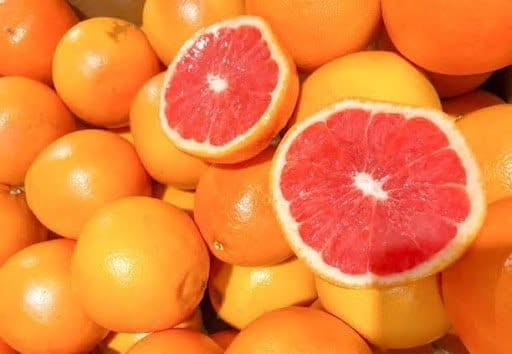
Grapefruit is high in fiber and nutrients and can promote feelings of fullness. On the other hand, watermelon is a hydrating fruit with about 90 percent water. It’s beneficial for weight loss as it contains an amino acid called arginine, known to burn fat quickly.

There are several types of healthy fish, with salmon being one of them. Salmon contains quality protein, good fats, and various essential nutrients. It’s also loaded with omega-3 fatty acids, which may help reduce inflammation (which is common in those with obesity).

Many people avoid beans, given how gassy they can make you; however, beans and other legumes can benefit weight loss as they are high in protein and fiber, two nutrients that promote satiety.

All greens are not created equally so they will appeal differently to you! Whether you like collard greens, spinach, or kale, they can all be consumed, some cooked, in salads, and oh, the best way yet – in smoothies.

Chia seeds are packed with fiber, and it is known to improve heart health, reduce cholesterol levels and promote intestinal health.
“Fiber takes longer to digest and makes you feel satisfied, which can help with weight loss and decrease your risk of developing diabetes or heart disease,” according to the Mayo Clinic.
Like the other foods mentioned, flaxseed is a good source of many nutrients, including protein, fiber, omega-3 fatty acids, thiamine, and copper. Its healthy combination is excellent for sustained weight loss.
Depending on where you are in your journey – it may seem complicated to start, but guess what? You can do it!
If we’re not careful, we can all be at risk of being overweight or obese. It’s also true that if we work hard and stay focused, we can decrease our body mass index and remain in a “safe” or “healthy” space. It’s up to us to decide what we are willing to sacrifice, how we hold ourselves accountable, and when we start! Start today, and if you’ve started already, great job – now, hold others responsible around you!


By subscribing, you consent to receive emails from BlackDoctor.com. You may unsubscribe at any time. Privacy Policy & Terms of Service.