Like many women, Nischelle Turner spent years believing that the “debilitating” pain she was experiencing was a result of being a woman.
“I’ve had incredibly tough periods my entire life, very heavy, very painful. But in not knowing better, I always thought this is how it’s supposed to be, this is what women go through,” the 47-year-old Entertainment Tonight co-host tells PEOPLE. “But what I know now is that’s absolutely not the case. So it’s been since I was a teenager that I had ‘symptoms’ but I just never knew.”
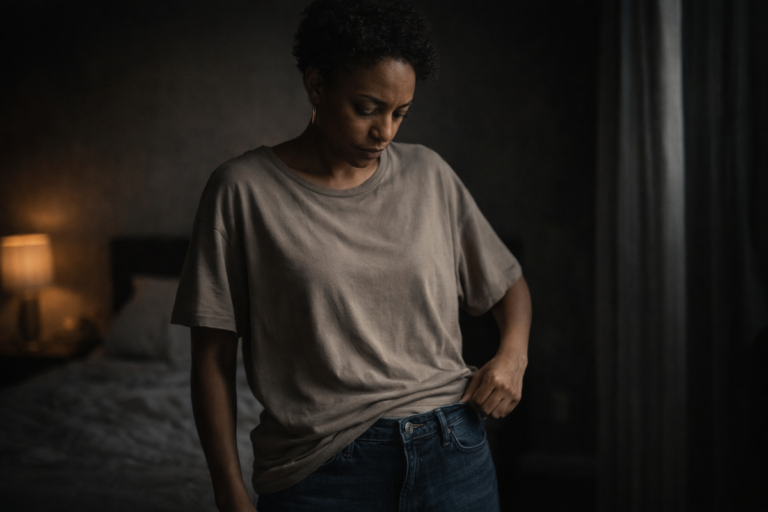
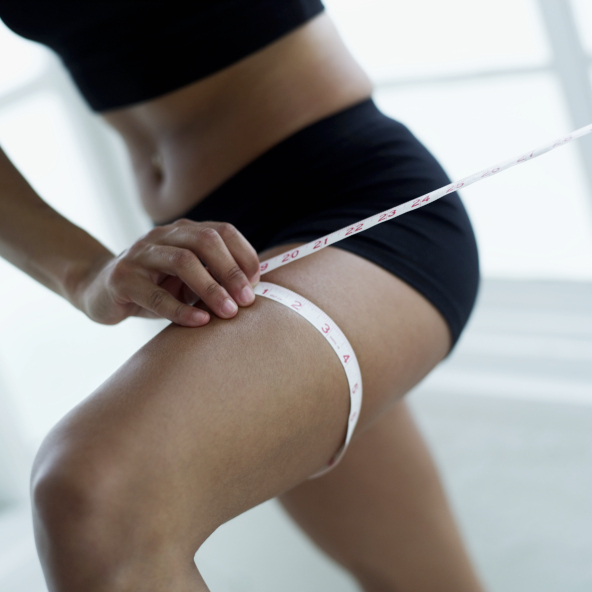
“When I was 35 years old, my stomach had grown to a size that looked like I was three months pregnant,” Turner shares. “And that was because the fibroids had grown so big and were protruding and pushing out my stomach. It was almost like an alien because I could move them around, and I knew it wasn’t right, so I went and got checked.”
The cause of her pain was fibroids, something that many Black women know all too well.
According to a report from the University of Michigan, nearly a quarter of Black women between the ages of 18 and 30 have fibroids, while that’s true of just six percent of white women. And by age 35, 60 percent of Black women have fibroids.
To confirm that she had fibroids and determine which treatment would be best, doctors performed a transvaginal ultrasound. From there, doctors recommended major surgery, a procedure called a myomectomy, to remove them. A myomectomy is an operation to remove fibroids while preserving the uterus.
After spending about six weeks recovering, Turner believed she was moving forward fine. Unfortunately, at the age of 40, she would need to have another surgery to remove 13 fibroids. Then, when she was 45, the fibroids returned again.
For Turner, the experience wasn’t an easy one.
“It’s tough because you start to question yourself as a woman,” she admits. “You start to ask, ‘What is wrong with me that this keeps happening?’ You don’t really know other people to talk to about it.”
She had little information on fibroids and was unable to figure out why they kept coming back, however, she knew she wanted to preserve her uterus. I didn’t even know my mother had a hysterectomy at the age of 28 from fibroids,” she shares.
“This time my doctor said, ‘Well, maybe you should get a hysterectomy.’ A lot of time I feel like people try to put women over 40 out to pasture for so many different reasons. But I really felt like I’m a vibrant woman, I’m 45 years old, I feel good. I’m still producing eggs. I don’t know what my life is going to be. I don’t want to get a hysterectomy at this point. I still feel like I’m too young,” Turner says. “And so I opted for yet another myomectomy. So it was my third surgery in 10 years.”
During her latest myomectomy, she had 24 fibroids removed from her uterus. Although the original ultrasound only detected five.
As expected, fibroids impacted so much of Turner’s daily life, including what she wore and even how she looked at herself.
“..It’s debilitating because you don’t want to go anywhere. You don’t want to leave the house, you just don’t know what’s going to happen to you each day,” Turner says.
Fortunately, Turner, who did a “complete body reset” by working with a health and wellness coach, is feeling much better. She was able to “heal” herself from the inside out.
Despite this, she admits to worrying about what the future holds.
“I’m feeling really great, but I’m scared. Mentally, I’m scared it’s gonna happen again,” she shares. “And I told myself, if they come back again, you have to get a hysterectomy. So I’m very scared about that.”
Whatever the outcome holds for Turner, she hopes her experience raises awareness of how fibroids disproportionately affect the Black community. She has partnered with the Black Women’s Health Imperative and Sen. Cory Booker to do just that.
“If I can do anything so that someone doesn’t have to go through what I went through — three major surgeries on their body in 10 years — then that’s what I want,” she tells PEOPLE. “I don’t want anybody to have to suffer like this and suffer in silence and not know how to handle their health, not have any funding or any information. I don’t want that for anyone.”
RELATED: Myomectomy vs. Fibroid Embolization: Which Treatment is Best for you?
Although fibroids are common, most women don’t realize they have them. You may have fibroids if you experience symptoms such as:
If you are experiencing any of these symptoms, you should see a doctor to get tested and get an official diagnosis as soon as possible. Early detection can improve your outcome.
Your best treatment option will be determined based on your age, the size and location of your fibroids and whether or not you want to have kids. If you have fibroids, it is important to do your own research so that you are aware of all your treatment options. If you believe you aren’t being heard, you should get a second opinion.

By subscribing, you consent to receive emails from BlackDoctor.com. You may unsubscribe at any time. Privacy Policy & Terms of Service.