The COVID-19 pandemic has gone on for over a year and has quite frankly made many Americans experience pandemic burnout” or “pandemic fatigue.” We are not used to wearing masks regularly, always maintaining a social distance from people, washing our hands, and sanitizing frequently. Perhaps the worst offender has been being locked inside our homes for days, usually spending most of that time in front of a screen. As the global pandemic approaches its one-year mark, it is entirely natural to feel burnout and fatigue from these precautions and restrictions,
But experts are saying that we need to be more diligent in our fight because new strains of the virus have surfaced all over the world. To better understand how this is happening, we need to first understand what is a new strain compared to a new variant.
“A strain of a virus has distinct properties and a particular immune response. Then there’s going to be lots and lots of variants which will be, in many cases, minor accumulations of mutations and different kind of genetic lines of that strain,” Jean-Paul Soucy, a PhD student at the University of Toronto’s Dalla Lana School of Public Health, explained to CTVNews in Canada.
Soucy said a certain strain of virus is considered a variant when it has enough mutations to change a minor portion of its genetic code. He says the most recent variant found in the U.K. meets that benchmark.
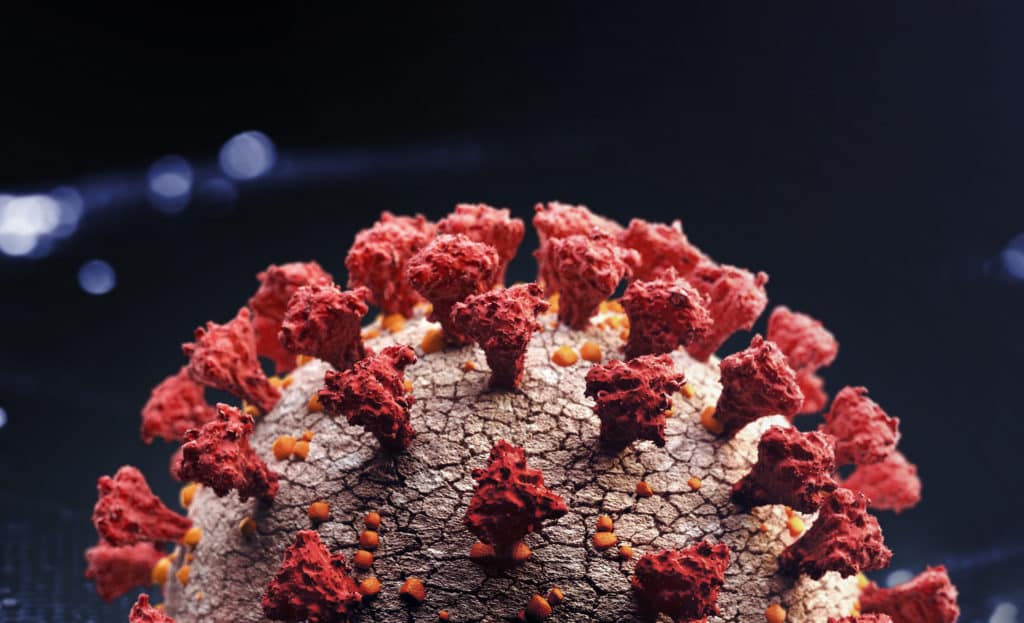
The virus that causes COVID-19 is a type of coronavirus, a large family of viruses. Coronaviruses are named for the crown-like spikes on their surfaces. Scientists monitor changes in the virus, including changes to the spikes on the surface of the virus.
These studies, including genetic analyses of the virus, are helping us understand how changes to the virus might affect how it spreads and what happens to people who are infected with it.
Multiple COVID-19 variants have been found and are circulating globally. Here are the three that we know most about so far:
Currently, there is no evidence that these variants cause more severe illness or increased risk of death. However, an increase in the number of cases will put more strain on health care resources, lead to more hospitalizations, and potentially more deaths.
The new, more transmissible variant of the virus that causes Covid-19 in the U.S. (B.1.1.7) could sweep North America in the coming weeks and become the dominant strain as soon as March 2021, leading to a new surge of cases through the spring, the Centers for Disease Control and Prevention warned Friday.
The CDC believes the variant, known as B117, is still circulating at low levels in the U.S. Only 76 infections caused by the new variant have been detected, in 12 states, though testing for it has not been routinely conducted. CDC officials acknowledge the variant is likely more widespread here than is currently recognized.
Rigorous and increased compliance with public health mitigation strategies, such as vaccination, physical distancing, use of masks, hand hygiene, and isolation and quarantine, will be essential to limiting the spread of SARS-CoV-2 and protecting public health.
Research done by CDC scientists suggests that unless the pace of vaccination of the population increases dramatically and people adhere stringently to Covid-19 control measures, the new variant will spread rapidly.
Incoming White House chief of staff Ron Klain said the coronavirus pandemic will get worse before it gets better, projecting another 100,000 deaths from COVID-19 in the first five weeks of President-elect Joe Biden’s administration.
Biden has set a goal of injecting 100 million doses of coronavirus vaccine in his first 100 days in office, a goal Klain said they were on pace to meet.
Klain added he believed there was enough supply of the pair of vaccines currently granted emergency approval to ensure that those who have received their first shot will get the required second.


By subscribing, you consent to receive emails from BlackDoctor.com. You may unsubscribe at any time. Privacy Policy & Terms of Service.