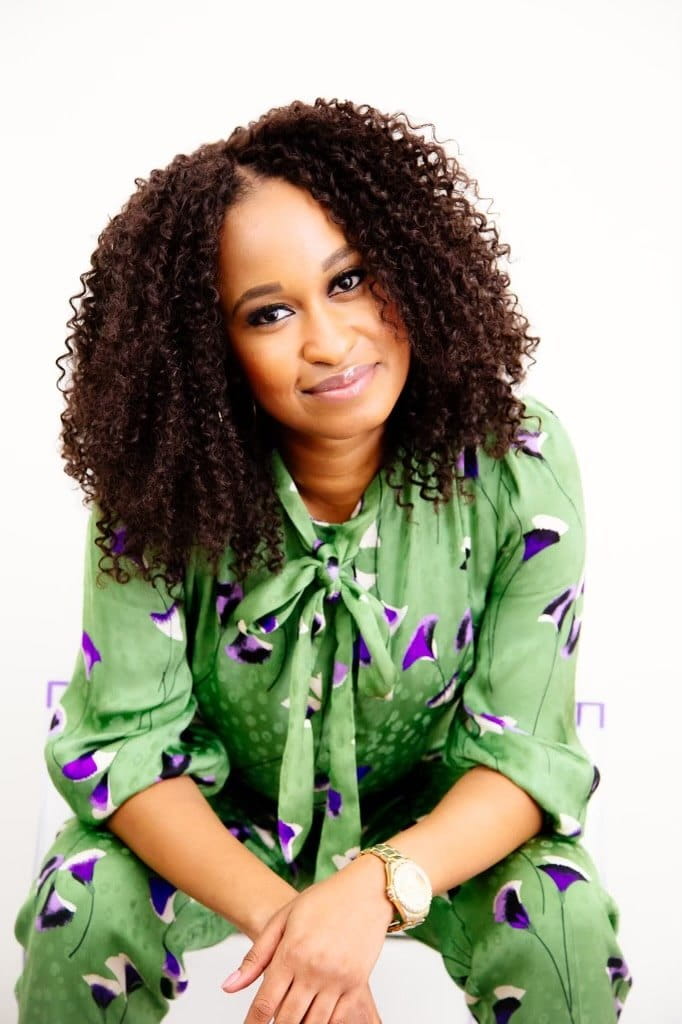
Dr. LaKeitha Poole’s journey to becoming a mental health professional is one marked by resilience, passion, and a commitment to underserved communities. As a Black woman navigating the mental health field, her experiences have shaped her career and motivated her to bridge the gap in mental health awareness and services for people of color.
Dr. Poole’s story begins in New Orleans, where she faced the devastating impact of Hurricane Katrina during her senior year of high school.
“We lost everything. I was 17 at the time, and mental health wasn’t something that was talked about. There wasn’t a lot of language that my parents, family, friends, or even school counselors could give us during a moment like that,” Dr. Poole tells BlackDoctor.org. “Starting over in life, I got the opportunity in the spring semester of that senior year to take an elective psychology course. It made what we had been experiencing for those prior five or six months make sense in a way that I had never been exposed to before because it just wasn’t something we talked about in our community.”
This experience drove her to pursue psychology at Florida State University, where she became acutely aware of the disparities in mental health education and resources available to people of color.
“As I learned more, I recognized that so many of us, people who looked like me, did not have the same level of access to information about our well-being and mental wellness, and how to take care of ourselves. I’ve stayed passionate about it, trying to get as many resources and information into Black communities and across the board. I also work with some unique populations, like those in sports and the collegiate setting,” Dr. Poole shares. “It’s always been a dream career. I didn’t know back then that it would go in this direction fully, but I’ve loved every bit of it. I love that I had to go through that experience to get into this industry and to then open the door for other people to have a better understanding of themselves.”
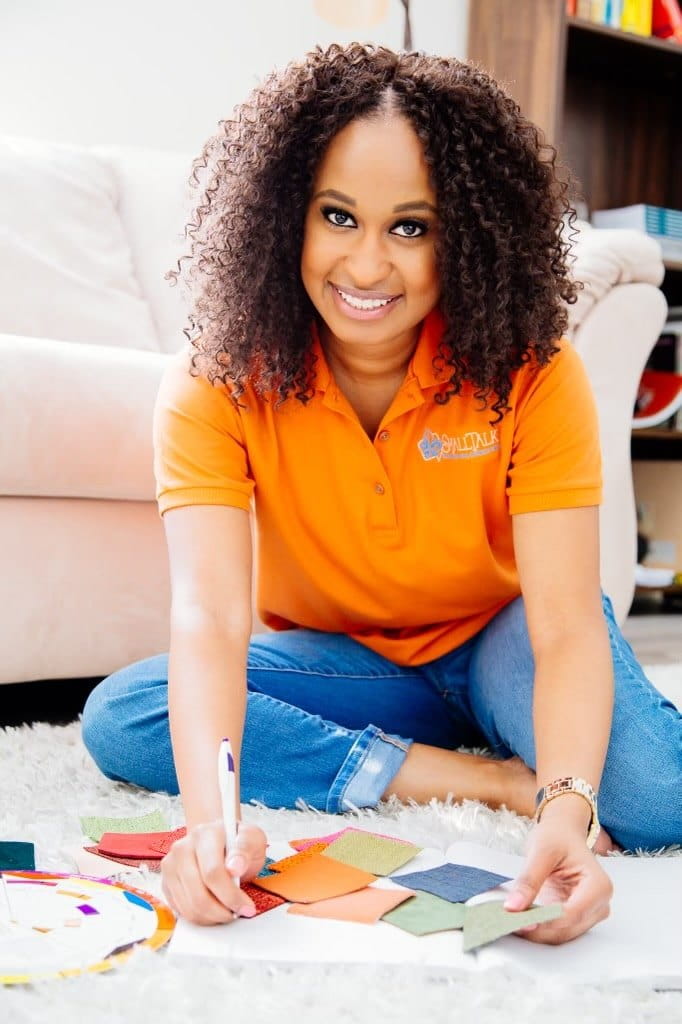
While advancing her education and completing her doctoral program, Dr. Poole recognized the scarcity of culturally competent mental health services in Baton Rouge. This realization led to the establishment of Small Talk Counseling and Consulting. Initially envisioned as a small private practice, it quickly grew into a group practice.
“It started out as something to give me a break from the general day-to-day work in the collegiate mental health space with 18 to 24-year-olds. I wanted to feel like I could help other people, like couples, families, older people, folks up in age. It was something I thought about doing on my own, and like my general career in psychology and mental health, it just took off. It was a resource that didn’t exist, and as people found out about a place where there was a clinician who looked like them and who could understand their issues from their perspective, we grew,” she adds.
RELATED: Resilience Reborn: How I Transformed Trauma into Triumph
Dr. Poole’s work with athletes, particularly at the collegiate and professional levels, reveals the heightened pressures they face. Her work with LSU’s (Lousiana State University) Athletics department and other sports organizations highlights the need for dedicated mental health resources for athletes, acknowledging their unique stressors and the public scrutiny they endure.
“Something people often overlook with athletes is that they’re people first. Being an athlete is a role they have, like a job. Sometimes people forget that the same mental health issues apply, like anxiety, depression, trauma, and loss. The added element for athletes is the expectation to perform. This elevates the pressures of general mental health concerns. For example, general anxiety about being good at their job can be heightened by the need to perform well for their team,” Dr. Poole notes. “I help athletes explore other parts of their identity to understand what triggers their anxiety or low points. Teams have stretches where they don’t do well, and athletes can feel it’s their fault. It’s important to address their personal identity and challenges, integrating that with performance-specific issues.”
Through her work, Dr. Poole hopes to dispel the myth that being an athlete protects you from mental health issues.
“It actually increases their susceptibility to challenges,” she shares. “At the collegiate level, athletes are also students, connected to their families, and figuring out how to provide for them. At the professional level, being an athlete is their full-time job, and the whole world is watching.”
Dr. Poole also advocates for normalizing mental health discussions and reducing stigma. She highlights the need for education, open conversations, and culturally sensitive training for mental health professionals.
“I encourage people to learn as much as they can and have conversations. Don’t be afraid to use the words mental health and wellness, counseling, and therapy. Normalize these terms because mental health is so much a part of our physical health. For a long time, people would sort of separate them, but our brain actually exists inside our body and creates a lot of other functions for our body. If we can start to merge those worlds and educate ourselves on erasing the stigma as much as possible, that’s always going to be helpful,” Dr. Poole says.
She also believes educational institutions and sports organizations play a critical role in supporting mental health. Dr. Poole stresses the importance of providing resources, diversifying staff, and prioritizing the well-being of student athletes. She acknowledges the efforts of the NCAA in implementing best practices but calls for more intentional support at all levels.
“What we find when student athletes are supported is that it trickles down to general students, especially at universities like LSU where there’s a large student-athlete population. If they feel supported, it’s like, ‘What about the regular students? I go to class with the same people, eat with them in the dining hall.’ That’s another important piece: the messaging. But it’s definitely a resource problem that we’re always trying to figure out how to work around and through, given all the other politics around funding and things like that,” Dr. Poole adds.
For professional teams, she advocates for integrating mental health professionals into the support staff, ensuring athletes have access to necessary resources.
Dr. Poole encourages everyone to establish a routine for self-care, tailored to individual needs. Whether through therapy, physical activities, or mindfulness practices, the goal is to prioritize personal well-being consistently. She advises seeking professional guidance to navigate mental health challenges.
“I like being able to talk to people about how mental health is an important part of life, and it doesn’t have to be a negative experience. It doesn’t have to be therapy is your last resort. I always encourage people that the way we go to the doctor once a year to make sure we’re well, go to therapy at least once a year, even if it’s just to check in and say, ‘Hey, I’m still in a good place.’ I think it’s important to reiterate the point that help-seeking and wellness is normal. We need to learn to give ourselves grace and be patient with ourselves and others. Especially in today’s society, we’re so quick to think people need to figure it out and be a certain way. It’s not always easy to do that. I always want people to know that it’s okay to struggle. I don’t know anybody that’s living a perfect life. The goal isn’t perfection but finding joy and things that help you stay balanced and be patient with yourself,” Dr. Poole concludes.

By subscribing, you consent to receive emails from BlackDoctor.com. You may unsubscribe at any time. Privacy Policy & Terms of Service.