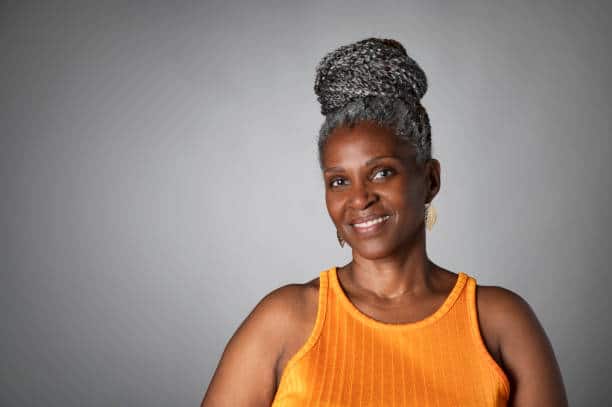
Life in your 40s and 50s should be a fabulous chapter filled with adventure, career accomplishments, and vibrant health. However, for many middle-aged Black women, an uninvited guest is crashing the party—stroke. According to the American Heart Association, Black women aged 45-64 are more likely to have a stroke compared to their White counterparts. So, why is this demographic at a higher risk, and what can be done about it?
First, let’s talk about lifestyle. It plays a crucial role in our health, and some choices can significantly impact our stroke risk. Smoking, for instance, is a well-known risk factor for stroke, and unfortunately, Black women in this age group have a higher smoking rate compared to other racial groups. According to the CDC, 16.1 percent of Black women aged 45-64 smoke, while it’s 14.5 percent for white women in the same age range.
Now, let’s talk about obesity. Among middle-aged Black women, the prevalence of obesity is notably higher. According to the National Center for Health Statistics, a significant 56.5 percent of Black women aged 45-64 are wrestling with obesity, whereas it’s 39.2 percent for white women in the same age group.
Socio-economic factors also come into play. Limited access to quality healthcare, lower socio-economic status, and disparities in health insurance coverage can pose significant challenges. In fact, the Kaiser Family Foundation reports that middle-aged Black women are more likely to be uninsured compared to white women in the same age range, with 11 percent of Black women aged 45-64 lacking health insurance, while it’s only five percent for white women.
RELATED: 7 Things You’re Doing To Cause A Stroke
Furthermore, medical conditions can increase the risk of stroke among middle-aged Black women. Conditions like high blood pressure, diabetes, and heart disease are more prevalent in this demographic, and they’re all significant contributors to stroke risk.
According to the CDC, nearly 51 percent of Black women aged 45-64 have hypertension, compared to 38 percent of white women in the same age group.
Now that we’ve identified some of the factors contributing to the higher stroke risk among middle-aged Black women, let’s talk about what can be done:
Lifestyle Changes: If you’re a middle-aged Black woman, it’s essential to prioritize your health. If you’re a smoker, consider quitting, and make a deliberate commitment to a healthy lifestyle by incorporating regular exercise and maintaining a balanced diet.
Regular Check-ups: Don’t skip those regular check-ups with your healthcare provider. Managing conditions like high blood pressure and diabetes can significantly reduce your stroke risk. If you’re uninsured or experiencing financial challenges, consider exploring community health clinics or taking advantage of free health screenings provided by local organizations.
Be Your Healthcare Advocate: Take an active role in advocating for your own healthcare. Seek out resources and information on healthcare access and engage with local health organizations to improve services in your community.
RELATED: 5 Signs Of A Silent Stroke Black People Should Know
Connect with Others: Reach out to individuals in your community who share your health goals. Share your journey and experiences with stroke risk, and learn from others facing similar challenges. Building personal connections can be a powerful motivator for positive change.
In conclusion, middle-aged Black women face a higher risk of stroke due to a combination of lifestyle choices, socio-economic factors, and medical conditions. However, the power to reduce this risk lies in proactive steps. By making healthier choices, advocating for improved healthcare access, and seeking support within your community, you can take control of your health and decrease your risk of stroke. Your well-being matters, and together, we can work towards a healthier future for middle-aged Black women everywhere.


By subscribing, you consent to receive emails from BlackDoctor.com. You may unsubscribe at any time. Privacy Policy & Terms of Service.