Ever feel wiped out for no reason, notice your skin looking paler than usual, or feel your heart racing after climbing a few stairs? Your body might be signaling that you have a low red blood cell count. These tiny oxygen carriers are essential for keeping you energized, focused, and healthy. When levels drop, your body struggles to function, and early warning signs can help you prevent fatigue, anemia, or more serious health problems. Here’s what you need to know.
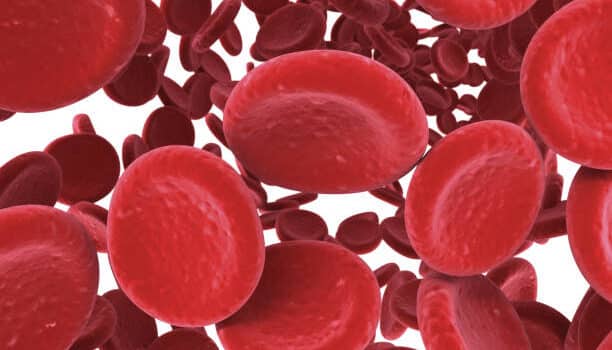
Your red blood cells are extremely important to your body. Red blood cells are made in your bone marrow and carry a protein called hemoglobin, which moves oxygen from your lungs to every part of your body. They also remove carbon dioxide by bringing it back to the lungs so you can exhale it.
When your red blood cell count is low, your body may not get enough oxygen. That can cause fatigue, pale skin, a racing heart, and other symptoms.
Low red blood cells can also lead to anemia, which comes in different forms and can put you at risk for heart problems, developmental delays in children, and chronic fatigue in adults.
When red blood cell levels dip, your body struggles to keep up. Children may grow more slowly, while adults may feel constantly tired, cold, or unfocused. Anemia caused by low red blood cells can leave you vulnerable to other serious conditions.
Iron-deficiency anemia, for instance, happens when your body lacks iron and essential vitamins, which can worsen depression and fatigue. Sickle cell anemia, an inherited blood disorder, changes the shape of red blood cells, making it harder for blood to flow and potentially causing organ damage, leg ulcers, stroke, and more.
There are a few reasons a low red blood cell count can happen, including:
Iron deficiency: Your body needs iron to make hemoglobin. Without enough, red blood cells can drop.
Vitamin deficiencies: Low levels of B-12, folic acid, or vitamin C can reduce red blood cell production.
Chronic diseases: Conditions like kidney disease or autoimmune disorders can interfere with red blood cell production.
Blood loss: Heavy periods, surgery, or internal bleeding can lower counts.
Inherited disorders: Sickle cell anemia and other genetic conditions can affect red blood cell shape, lifespan, or production.
RELATED: What is Sickle Cell Disease?
Sickle cell anemia and other red blood cell disorders can hit Black communities harder. Symptoms often show as fatigue, slow growth in children, or persistent cold and low energy in adults, and untreated anemia can lead to serious complications.”
Iron-deficiency anemia, for example, occurs when your body lacks iron and essential vitamins, which can worsen fatigue, mood, and energy levels.
Watch for frequent infections, swelling in hands and feet, vision problems, severe pain episodes, or delayed growth, according to the University of Rochester Medical Center.
Sickle cell anemia is an inherited blood disorder that changes the shape of red blood cells, making it harder for blood to flow and potentially causing organ damage, leg ulcers, stroke, and other serious complications.
This condition disproportionately affects Black communities, so awareness is critical. Knowing your family history, monitoring for symptoms, and getting tested early can make a major difference in prevention and management.
RELATED: 9 Things Blacks Need to Know About Donating Blood

If you have any of these low red blood count symptoms, you might be developing anemia.
Do you notice…?
Low red blood cells mean your body isn’t getting enough oxygen, so even light activity can leave you breathless.
What to do: Slow down, sit upright, and breathe deeply. If this keeps happening, ask your doctor for a CBC blood test to check your levels.
When oxygen delivery drops, your muscles and brain struggle. No wonder you feel exhausted.
What to do: Add iron-rich snacks (like raisins or a boiled egg), take note of how long the fatigue lasts, and consult your doctor if it doesn’t improve.
Fewer red blood cells circulating can make your skin look lighter.
What to do: Check for paleness in lips, gums, and inner eyelids. If they’re noticeably lighter and the condition persists, see your doctor.
Your heart works overtime trying to move limited oxygen around your body.
What to do: Monitor when your heart races and how long it lasts. Cut back on caffeine, and talk to your doctor if episodes are frequent or severe.
Your brain needs oxygen to focus. When it’s low, concentration drops.
What to do: Track your energy and focus dips for a week and share the information with your provider for proper evaluation.
Tip: If you’re checking off two or more of these symptoms consistently, it’s time to speak with your doctor. Early detection helps protect your energy, focus, and overall health.
RELATED: What’s Causing Your Anemia?
[saswp_tiny_multiple_faq headline-0=”h3″ question-0=”What causes a low red blood cell count?” answer-0=”Low red blood cell count, or anemia, can result from iron or vitamin B-12 deficiency, chronic illnesses, blood loss, or inherited conditions like sickle cell anemia.” image-0=”” fontsize-0=”20″ fontunit-0=”px” count=”1″ html=”true”]
[saswp_tiny_multiple_faq headline-0=”h3″ question-0=”Can a low red blood cell count be dangerous?” answer-0=”Yes. An untreated low red blood cell count can lead to fatigue, heart problems, developmental delays in children, and complications from anemia or underlying conditions.” image-0=”” fontsize-0=”20″ fontunit-0=”px” count=”1″ html=”true”]
[saswp_tiny_multiple_faq headline-0=”h3″ question-0=”What are common symptoms?” answer-0=”Fatigue, shortness of breath, paleness, rapid heartbeat, and difficulty concentrating are all common warning signs.” image-0=”” fontsize-0=”20″ fontunit-0=”px” count=”1″ html=”true”]
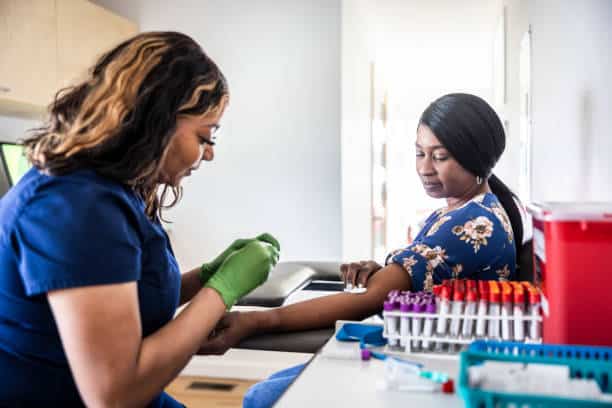
[saswp_tiny_multiple_faq headline-0=”h3″ question-0=”How is it diagnosed?” answer-0=”A complete blood count (CBC) test from your doctor measures the number and quality of red blood cells.” image-0=”” fontsize-0=”20″ fontunit-0=”px” count=”1″ html=”true”]
[saswp_tiny_multiple_faq headline-0=”h3″ question-0=”How can I naturally raise my red blood cell count?” answer-0=”Iron-rich foods, B-12, folic acid, vitamin C, and copper supplements help. Regular exercise also encourages red blood cell production.” image-0=”” fontsize-0=”20″ fontunit-0=”px” count=”1″ html=”true”]
RELATED: Five Iron-Rich Foods to Give Anemia Eviction Notice
Raising a low red blood cell count starts with nutrition. Iron-rich foods like leafy greens, red meat, egg yolks, prunes, and raisins can help. Supplements such as iron, vitamin B-12, folic acid, vitamin C, and copper are also useful.
Regular exercise signals your body to produce more red blood cells because your tissues need more oxygen. Staying on top of these habits can help improve your energy levels, focus, and overall health.
Remember: your body is smart. It gives signals when something’s off. Watching for symptoms and taking action—like checking in with your doctor if symptoms stick around—is the best way to keep your temple thriving.
Low red blood cell counts aren’t something to ignore. They can sap your energy, affect your heart, and signal underlying health issues like anemia or nutrient deficiencies. The good news? Most causes are treatable or manageable. Pay attention to your body’s signals, fuel it with iron and essential vitamins, stay active, and check in with your doctor when symptoms persist. Acting early protects your health, boosts your energy, and keeps your body strong and energized.


By subscribing, you consent to receive emails from BlackDoctor.com. You may unsubscribe at any time. Privacy Policy & Terms of Service.