Sometimes, it’s like an unending battle against your skin.
No matter what you do, hives – or urticaria – seem to pop up when you least expect them and when it’s hardest to manage. From itchy red welts to painful, inflamed skin areas, the factors involved in hives are numerous. Stress, weather, clothing, or seemingly nothing at all – few things are more disruptive or depressing than seeing and feeling those rashes.
And here’s the thing. While conventional treatments like antihistamines certainly provide their benefits, they’re no end-all, be-all. In fact, with overextended use, these medications can actually become less effective.
Fortunately, there are natural remedies that can help.
Enter food therapy—a gentle, empowering approach that harnesses the power of everyday edibles to address root causes like histamine overload and inflammation. Backed by emerging evidence, this approach is not an overnight change. Rather, it involves simple but accessible tweaks that can enhance overall well-being.
If you’ve grown tired of flares that dictate your days, it’s time to turn to the naturopathic solution many sufferers have enjoyed. From quercetin-rich foods to specific probiotics, you truly are what you eat!
RELATED: Diet, Stress, & CSU: How You Can Control Chronic Hives
Believe it or not, hives affect about 20 percent of people at some point, with chronic cases lasting more than six weeks. If you find yourself in the second camp, you’re roughly one to three percent globally who suffer from long-term hives.
And they’re all different. Some people are mostly impacted by physical factors like pressure or temperature. Others are hit harder by seasonal changes, such as allergens, pollen, or the very food they consume. And although traditional medicine can certainly help with symptoms, it does not usually treat the underlying issues.
This is why integrative dermatology is so important. With this branch of medicine, patients receive a broader, deeper level of care that truly treats the systemic condition. Remember: hives are more than skin deep. It’s often an autoimmune issue, whereby your own body is attacking itself mistakenly.
For this reason, food therapy targets these underlying factors, helping to stabilize the particular mast cells that trigger histamine release. By eating specific foods, you can not only curb inflammation but also lessen the flare severity and frequency.
One major player in diet therapy is none other than quercetin…
If you haven’t heard of quercetin, you’re not alone. It’s basically what is known as a flavonoid, meaning it has potent anti-allergic properties. Found abundantly in many foods, quercetin is like nature’s own antihistamine. It works by inhibiting histamine release from mast cells and blocking inflammatory pathways. Research also shows its ability to decrease pro-inflammatory cytokines, wherein quercetin supplementation actually rivals pharmaceutical antihistamines in efficacy.
Pretty impressive, right?
So, if you’re a hive sufferer or know one who’s struggling to manage the condition, start with quercetin. According to a 2020 review in Allergy, Asthma & Clinical Immunology, quercetin is a game-changer not just with hives, but with many allergic conditions in general.
Incorporating quercetin is quite easy. The first prime example is apples. Turns out, their crisp skins are absolutely packed with this compound, making them an easy daily boost. Just aim for one or two fresh ones to harness their antioxidant punch.
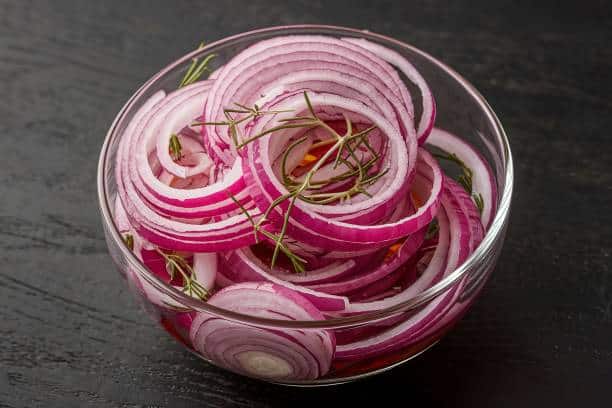
Then we’ve got onions. Onions, especially red ones, are another quercetin powerhouse. Merely slice them in salads or soups for both flavor and health benefits. On top of onions, you can also use capers. These tangy buds often get forgotten, but in reality, they’re exceptionally rich in quercetin. Feel free to sprinkle them on fish or veggies for a Mediterranean twist that fights inflammation. Research indicates that consistent intake over months yields the best results, as quercetin’s effects build gradually.
Various studies have shown that participants with hives report reduced severity after adding quercetin-rich foods to their diets.
And the best part is, it doesn’t have to be a major change. You can start small. For beginners, blend apples into smoothies or caramelize onions for a side dish. This gentle integration will keep it exciting and fresh, and then if you want bolder flavors or combinations, you can go from there.
But of course, quercetin isn’t everything. Probiotics also play a vital role in managing conditions like hives.
RELATED: Could Your Diet Be Making Your Chronic Hives Worse?
Beyond quercetin, probiotics emerge as critical gut guardians in the fight against hives. Many people are not aware, but there’s actually a very real gut-skin axis. It’s well-documented and is responsible for balances or imbalances in the microbiome of your gut. See, while it’s easy to dismiss bacteria as bad, the truth is, we all need different kinds of bacteria. There are both bad kinds and good kinds.
The good kind lowers inflammation and reduces histamine, while the bad kind can lead to all kinds of inflammation, worsening disease, and sickness. Thankfully, probiotics work by restoring this vital balance. They promote beneficial bacteria, particularly strains like Lactobacillus rhamnosus, which have shown promise in lowering flare severity.
One 2023 randomized trial found that such probiotics reduced chronic urticaria occurrences by supporting histamine breakdown and immune regulation. This is also demonstrated in animal studies where probiotics decrease histamine levels and lead to fewer allergic responses.
And the best part?
You don’t need exotic sources. For instance, you can find the L. rhamnosus strain in yogurt, kefir, or supplements. If you fancy some yogurt, just make sure you go the plain, unsweetened route. You want to avoid added sugars that can exacerbate inflammation.
Also, be mindful of fermented foods. While it’s true that they can provide much-needed probiotics, they can also be high in histamine (like sauerkraut or kimchi). In other words, if you consume too much of them, they may actually trigger what you’re trying to fight!
Your best bet is to choose capsules for targeted delivery. When used efficiently in conjunction with probiotics, individuals enjoy repaired intestinal linings, thereby reducing the ability of allergens to permeate. In other words, a reduced chance of allergic reactions like hives.
To begin, start with a daily serving. Stir yogurt into breakfast or take a supplement with meals. Over weeks, many people report milder flares, giving them back a sense of control they once lacked. Seed, Culturelle, and Nature’s Bounty are all top brands to discuss with your doctor before getting started.
And last but not least, don’t forget your overall diet.

You can take all the supplements you want, but what really matters most is the whole food you’re putting into your body. A cornerstone of food therapy, the anti-inflammatory diet is where it all begins. Don’t forget: inflammation fuels hives, so prioritizing whole foods rich in antioxidants and omega-3s is key.
To start, avoid or limit high-histamine sources. This means being careful with fermented items such as dairy, soy, and kombucha, to start. Also, try to stay away from nightshades, such as tomatoes or eggplants, and go easy on citrus or overly ripe fruits. You should also be mindful of cured meats, shellfish, and, as always, alcohol.
Processed foods, refined grains, and sugary treats also promote inflammation, so limit them too.
Now comes the question: what can you eat?
If you’re unsure, you actually have numerous options. Consider foods like lean meats, wild-caught fish like salmon or cod, non-citrus fruits (berries, apples), vegetables (broccoli, leafy greens), quinoa, rice, and healthy fats like olive oil or coconut milk.
Berries, for example, are loaded with quercetin and fiber, so they double as anti-inflammatory superfoods. Nuts and seeds, meanwhile, provide additional anti-inflammatory benefits, but can trigger allergies in some.
In total, this diet supports gut health, which is crucial given that dysbiosis (gut dysregulation) can heighten histamine sensitivity.
To get started on all this, you should first try a 30-day elimination phase. Slowly but surely, phase out those foods that are unhealthy, and phase in those that benefit.
At the end of the day, implementing food therapy isn’t without challenges. You will have to be patient, especially as you track new triggers and look for foods that are accessible, beneficial, and practical. The good news is, you can purchase many of the foods without breaking the bank, so don’t feel as if you need to go to some exotic store for healthy alternatives.
Also, always consult a healthcare provider. If you’re on medications, make sure to speak to your doctor, as natural approaches complement but don’t replace treatments.
And don’t forget lifestyle tweaks! Manage stress through mindfulness, use HEPA filters for allergens, and wear loose clothing to avoid pressure-induced hives. Supplements like vitamin C can also enhance effects, helping to reduce histamine.
By applying the commonsense, daily strategies outlined in this article, you’ll be well on your way to a healthier, happier, hive-free (or reduced hive) you!


By subscribing, you consent to receive emails from BlackDoctor.com. You may unsubscribe at any time. Privacy Policy & Terms of Service.