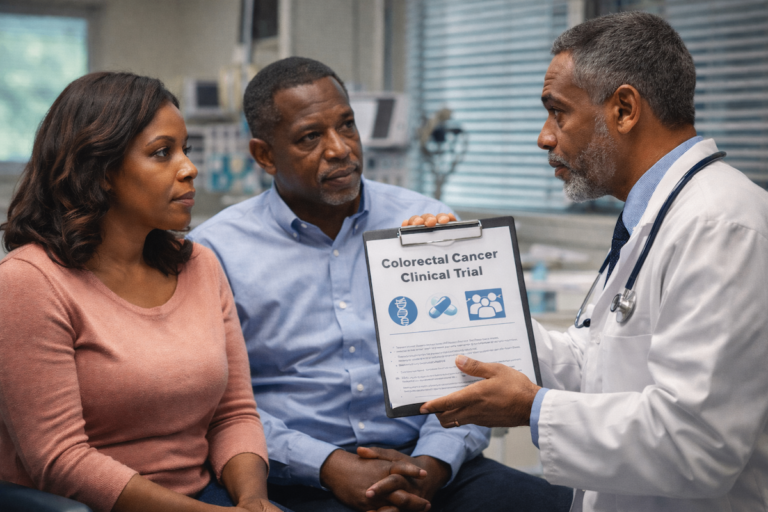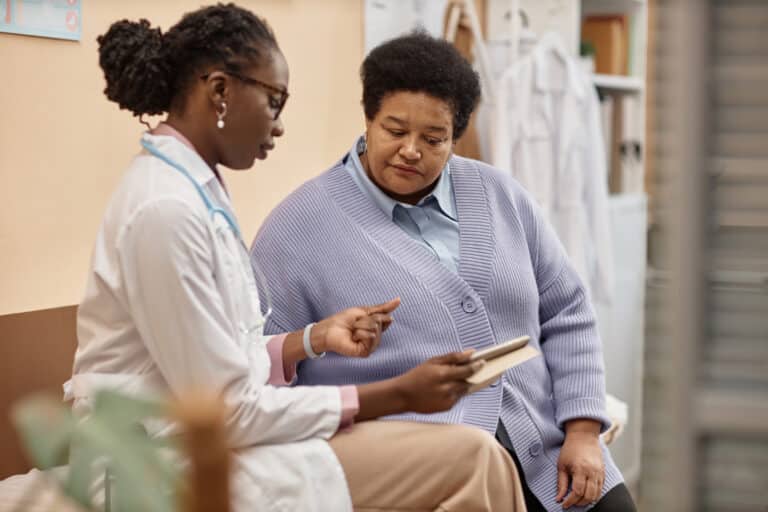
Black women are often left feeling dismissed and unheard in healthcare environments. I believe that there is a clear gap between Black women and healthcare professionals. My thoughts? Healthcare professionals (who don’t look like us) aren’t fully equipped to provide the proper care and treatment options/plans that we need. How so? Well for starters, how can one provide the proper care and treatment to a Black woman when racial biases are evident? The sad reality is most of the time it’s unconscious.
Menopause is a natural biological process, it’s the end of a woman’s menstrual cycle and fertility. Typically, menopause happens after the age of 50, but some women reach menopause early (mid-late 40s), such as Black women. This may be due to our family health history, or procedures like a hysterectomy procedure. Black women are three times more likely to undergo a hysterectomy procedure for fibroid tumors than any other ethnicity.
RELATED: I’m in My Early 40s – Can This Be Menopause?
How to gauge if you’ve reached menopause:
Black women in menopause show many differences compared to other ethnicities, like our pain tolerance, our symptoms, our health characteristics, our lifestyle, etc. Does this mean Black women should be dismissed from our concerns because we have a higher pain tolerance? No. Does it mean that we should receive lower-quality care compared to other ethnicities? Absolutely not. The unconscious racial undertone/ biases lead to our concerns being taken very, very lightly by physicians and most times those concerns are not even being met because they believe our symptoms don’t warrant treatment.
Black women in menopause may experience:
Here are the facts, Black women reach menopause 8.5 months earlier than white women, Black women are more likely to experience more intense and more frequent symptoms, like hot flashes, sleep disturbances, inability to focus, anxiety and depression. Furthermore, unmanaged symptoms of menopause can increase long-term negative health effects. So knowing the facts, we can agree that there is a clear lack of understanding on the healthcare professionals’ end. Black women in menopause need better care.
So, how do we bridge the gap between Black women and healthcare professionals? We demand proper care and the same access to treatment options /resources as other ethnicities, and demand a legit understanding of our health concerns by speaking up and not letting things “slide”, we find and/or build a community to stand together, as there is great power in numbers. We advocate for healthcare professionals to undergo better training/medical practice, we encourage new recruits and hire more healthcare providers from minority backgrounds. Also, finding healthcare providers who specialize in Black women in menopause. If you’re currently looking for a culturally sensitive healthcare provider, use this free resource.
Benefits to bridging the gap between Black women and healthcare professionals:
RELATED: Early vs. Premature Menopause: What’s the Difference?
Some solutions that Black women in menopause can apply to their everyday life:
The transition into menopause brings a new life. It requires proper care and understanding in this stage of life. By bridging the gap between Black women in menopause and healthcare professionals, we can create a greater quality of life and health outcomes for Black women. We deserve that much.


By subscribing, you consent to receive emails from BlackDoctor.com. You may unsubscribe at any time. Privacy Policy & Terms of Service.