As you might expect, prostate cancer refers to a specific growth that affects the prostate. While it starts in that organ, that doesn’t mean it will stay there if left untreated. The good news is that prostate cancer usually develops fairly slowly and so there is time to catch it before it spreads. Your treatment plan will depend on what the tests show about the type of cancer you have and the stage it has reached. However, there are a few changes you’ll need to anticipate after your diagnosis.
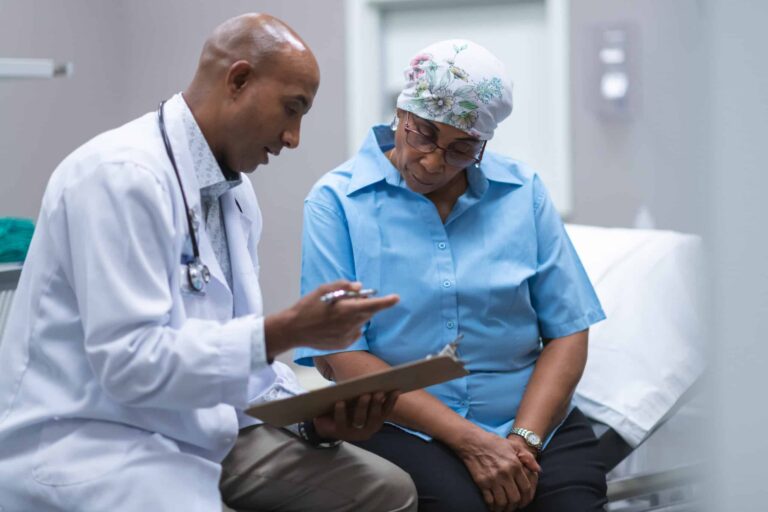
Even if you were diagnosed by an oncologist, many doctors recommend that you visit one that specializes in prostate cancer. That’s because doctors who narrow their focus to one condition are more likely to be aware of emerging treatment options as well as common issues that affect people who are dealing with that particular condition. When you’re looking for a specialist, it’s good to start with recommendations from trusted friends or family. The doctor you’re currently seeing might also be helpful.
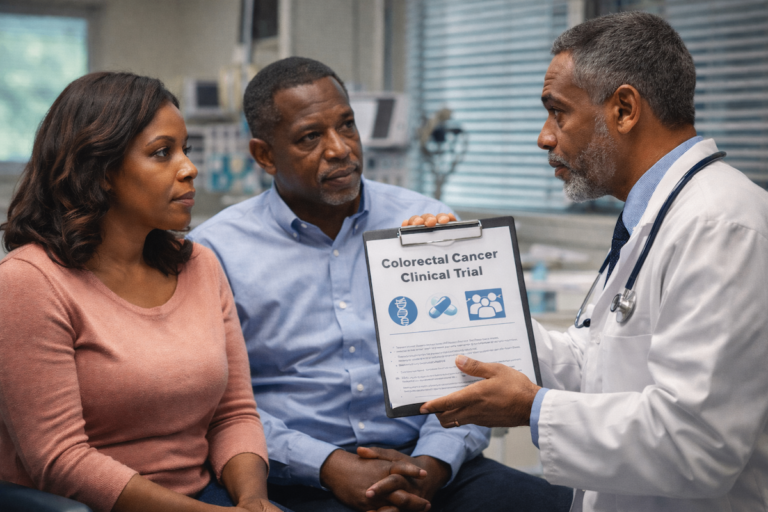
After your diagnosis, your doctor will still need to determine the best course of action for treatment. That typically means carrying out blood tests, computer tomography (CT) scans, ultrasounds, and MRIs.
Biopsies and bone scans may also be necessary if the doctor suspects that the tumors have spread. To prepare for these, always ask your doctor about any future tests during visits.
Fighting Inequity: What Prostate Cancer Patients Can Do to Self-Advocate
Smoking has been linked to different types of cancer to varying degrees. It also affects your immune and circulatory systems. While you’re fighting prostate cancer, it’s essential that your body is at its healthiest.
If you’re having trouble walking away from the cigarettes, talk to your doctor about helpful options.
While there’s no specific diet for people who are dealing with prostate cancer, studies show that avoiding overly processed and high-fat foods can be good for you.
Adding berries, tomatoes, and other brightly colored foods are also a good bet. Supplements can be helpful, especially when you’re having a hard time eating. However, make sure to check in with your doctor because not every supplement is recommended for people with prostate cancer.
There are many benefits to being physically active. Apart from helping you maintain a healthy weight, exercise results in a good night’s sleep, better mental health, and a healthier body.
Depending on your treatment, it might not always be easy to exercise but it’s good to ask your doctor what they recommend for keeping active.
The treatments for prostate cancer can have a variety of side effects including nausea, dizziness, loss of appetite, loss of sexual desire, erectile dysfunction, and pain. Not only should you ask your doctor how to deal with them but you also need to talk to your partner or close friends so they know what to expect.
RELATED: Try These Tips for a Successful Prostate Cancer Diet
Generally, surgery is reserved for people who have late-stage prostate cancer but there can be a few exceptions.
To be on the safe side, it helps to have a plan in place if your doctor makes that call. You’ll likely need someone to help you to get home, take care of you while you recover, and bring you to the follow-up visit.
Unfortunately, getting treated for prostate cancer doesn’t mean it can’t recur or that you can’t get another form of cancer. That means you’ll likely be asked to undergo scheduled assessments throughout your life.
It’s a good idea to ask your doctor what other illnesses you’re more likely to develop and the signs to look out for.
It’s true that Black men are more likely to be diagnosed with prostate cancer than other ethnicities, however, since it progresses relatively slowly, it can be treated effectively. The important thing is making sure that you talk honestly with your doctor. You should always know what to expect and the next steps in your treatment plan.


By subscribing, you consent to receive emails from BlackDoctor.com. You may unsubscribe at any time. Privacy Policy & Terms of Service.