
While matcha originated in Japan, its consumption has grown significantly in the U.S. over the years. Furthermore, statistics and projections from Grandview Research show that the matcha market shows no signs of slowing down. In 2024, the US matcha tea market generated almost $480 million in revenue. If it continues at the same pace, this figure could balloon to over $760 million by 2030. Though the numbers aren’t definitive, some research suggests that the increase in sales and consumption is being driven by Gen Z’s pursuit of living a healthier lifestyle. Most recently, however, a question of matcha tea’s effects on iron levels was raised. Is this something you should be concerned about? Let’s find out.
Generally, matcha refers to a finely ground green powder that is made from the leaves of the Camellia sinensis plant. During its growth, farmers keep the plants in the shade, and this tends to boost some of its nutrients. Specifically, the plant’s leaves are high in chlorophyll and amino acids, which give matcha powder its characteristic bright green color. The leaves also contain caffeine, vitamins, fiber, antioxidants like catechins, theanine, polyphenols, quercetin, rutin, and other nutrients that lead to its purported health benefits.
A few of the health benefits that matcha may have include lowering your risk of developing heart disease, diabetes, liver disease, and certain forms of cancer. It may also help to improve cognition, memory, and focus. While you can use matcha to make tea, you can also add the powder to smoothies, beverages, and pastries.

Given that some business professionals estimate that Gen Z is the main market for matcha products, it’s not surprising that the concern about how the powder might affect your iron levels arose on social media. In a video posted on TikTok on February 19th, Kacey Ondimu stated that she was switching from matcha tea after realizing that it could be causing her issues with low iron. Since being posted, the video has gained millions of views and thousands of comments.
Interestingly, she isn’t alone, and multiple videos have been posted making a similar claim. Of course, the question about its veracity has been raised. It turns out that there could be some truth to what people have been saying. One of the antioxidants that matcha contains is a group known as tannins. They’re often touted as one of the reasons that matcha may help reduce the risk of cancer.
Unfortunately, tannins can also interfere with how well your body absorbs iron. This can be particularly problematic for people who are already dealing with iron-deficient anemia or are at risk of having low iron levels. Since matcha isn’t the only source of tannins, though, you may wonder why it’s being singled out for this issue. In fact, tannins can be found in green tea, black tea, chocolate, rose tea, grapes, apples, berries, nuts, and beans.
The issue comes from how high the tannin content of matcha may be. To put things into context, black and green tea are considered to have high levels of tannins. Though the level can vary, it’s estimated that these types of tea can contain between 25 and 80 mg of tannins. While the actual tannin content in matcha hasn’t been accurately defined, one study suggests that it could have up to 137 times the amount of a particular tannin known as epigallocatechin gallate (EGCG).
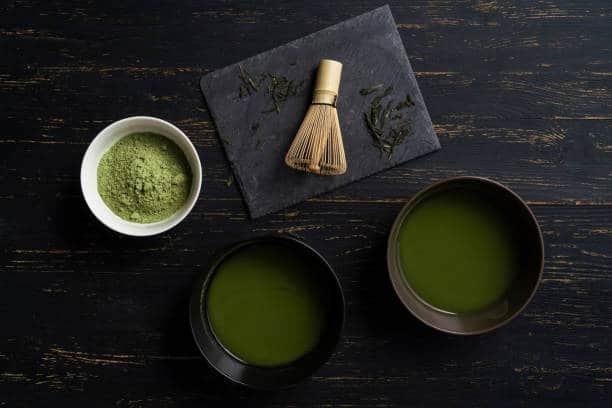
More studies need to be done, but EGCG is often associated with several of the health benefits attributed to green tea. It may play a role in reducing inflammation and protecting against cellular damage in the body, as well as certain chronic illnesses, such as heart disease and some types of cancer.
However, higher tannin levels don’t necessarily equate to better health benefits as they can have side effects, too. Apart from inhibiting the effective absorption of iron during digestion, they can also cause nausea.
RELATED: Matcha Matcha! Your New Favorite Coffee Alternative
The problem is that drinking matcha right after eating iron-rich foods is likely to result in poor absorption of the iron that the meal contains. Of course, the easiest way to avoid this is to eat those kinds of foods at least two hours before drinking matcha. This will give your meal time to digest so you can reap the benefits of its iron content.
However, if you have an issue with low iron and need to center your meals around it, the experts suggest that you limit yourself to only one matcha beverage per day. Additionally, you should try to optimize your iron-rich meals by choosing foods with the highest iron content and pairing them with other foods that are high in Vitamin C. That’s because Vitamin C boosts iron absorption.
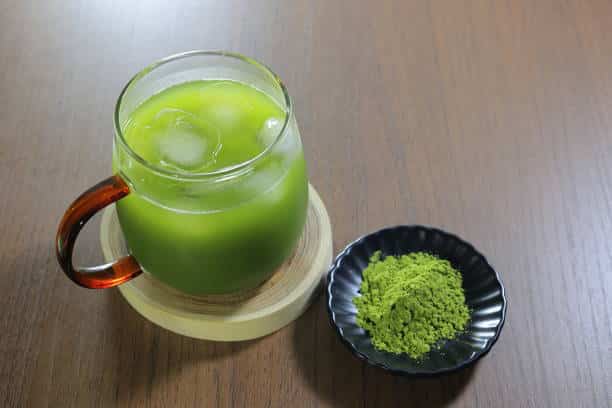
Some iron-rich foods that you could consider include pork, beef, lamb, chicken, liver, shrimp, tuna, sardines, spinach, broccoli, kale, lentils, oats, quinoa, and nuts. You can pair these foods with oranges, strawberries, tangerines, cranberries, raspberries, kiwi, guava, cantaloupe, bell pepper, tomatoes, and pineapples. It’s important to note that you should always consult your doctor before making significant changes to your diet. You should also let your doctor know if you’re having increased symptoms of low iron despite the dietary adjustments. Some signs of low iron include chronic fatigue, unexplained headaches, dizziness, shortness of breath, and an erratic heartbeat.
Even if your iron level isn’t a problem, you can still run into issues if you’re drinking two or more matcha beverages per day. Health professionals suggest replacing a beverage with something else that doesn’t have such high matcha content. For example, matcha ice cream maintains the flavor but doesn’t contain as much matcha as the tea does.
Many people consume matcha products for their potential health benefits. However, the tannins it contains can interfere with your iron absorption, which can have a negative effect if you’re already dealing with an iron deficiency. The best thing to do is to manage how much matcha you consume while ensuring that you’re incorporating iron-rich foods into your diet.


By subscribing, you consent to receive emails from BlackDoctor.com. You may unsubscribe at any time. Privacy Policy & Terms of Service.