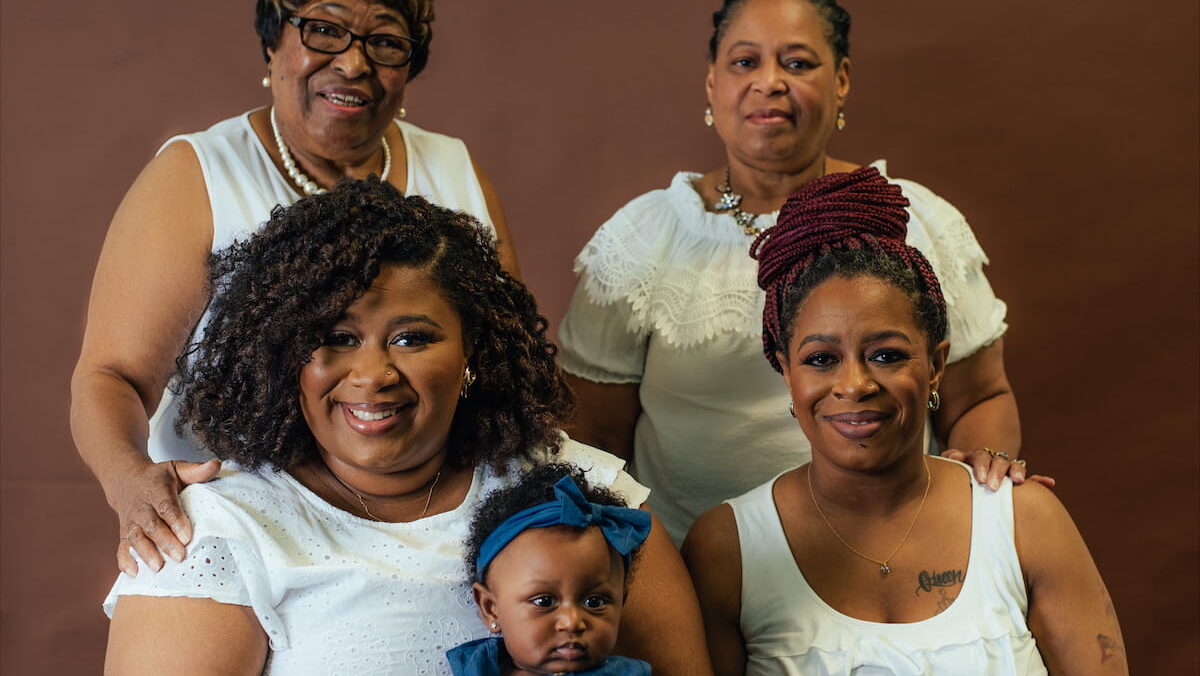
I come from a family whose history of cardiac health is very prevalent. I actually lost my grandfather to heart failure. And then my cousin-sister, as I call her, lost her life to a heart attack at 30 years old.
When I went to school, I had high aspirations of being a physician. Then reality set in, and I realized very quickly that’s not really where my passions align. But I found a love for research. I found a love for being a servant to my community in a different capacity. It allowed me to touch and get access to things that my community would normally not have access to unless they had somebody on the inside.
Initially, I started working on Alzheimer’s research because at the time, my great-great-grandmother was struggling with Alzheimer’s, and I wished there was a way I could help her. Today, I am in cardiac research. I chose this because I, too, struggled on my journey when I got preeclampsia.
Today, my life’s work is in honor of my grandfather and my sister, and myself. I hope to help people who look like me and sound like me get access to all kinds of cardiovascular care that, on a day-to-day basis, they would either not know about, or not be educated about, or just simply have no knowledge of. A lot of my days are spent explaining what the doctor told them, or explaining how to take a medication, because they’ll tell their doctor they started it, but then tell me, “I don’t even know what I’m taking this for.” Research acts as a bridge to bridge the gap in education.
From my standpoint as a research coordinator, if you want to talk about the biggest hurdles to enrolling people from our community in clinical trials, the first is trust.
Cardiology is a male-dominated field, and it is also a very white-dominated field. That being said, oftentimes when you don’t have someone who can hear you that looks like you, you seem to just kind of accept the care but not really understand it. Where I fit in is that a lot of times, if there is an African American patient, the physician might think, “This patient would really benefit from this medication, or they would really benefit from this trial, but I can’t tell if they’re interested.”
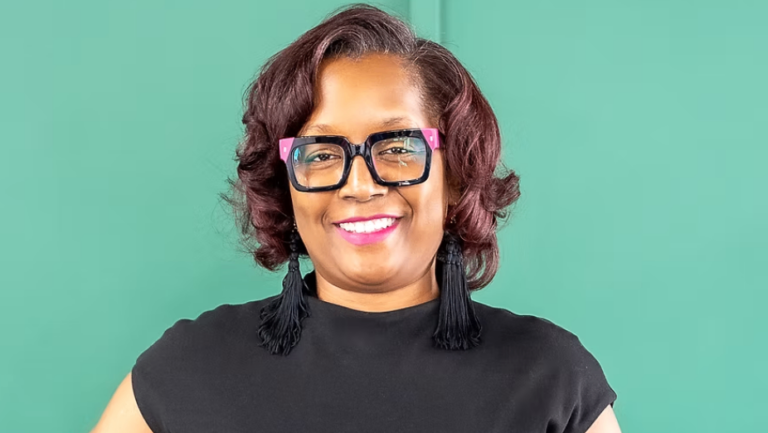
So I gather myself, I walk into the clinic room, and I’m like, “Hey, I’m Shaquanda, let’s come and talk about this trial.” You can easily see the adjustment in them. You can see the guard drop. Sometimes it’s just a matter of them thinking, “This person looks like my daughter, my niece, or my grandchild. Let me listen to what they have to say,” just from that element of trust. And I am the type of person who is not going to sit here and sell you a dream. I do not lie to my patients. That’s number one. That element of transparency and trust is the backbone with people, especially in minority communities.
The second thing is education. I spend a lot of time, especially with heart failure patients. I walk in and they’ll say, “Oh nurse, I’m just in here because I didn’t pay enough attention to my fluid weight.” And I have to say, “No, you are in here because you have heart failure. Let’s talk about it.” Sometimes I’ve been in the room when a doctor tells them they have heart failure, and it just goes in one ear and out the other. So I’m there to have that conversational, real-time realization with them: What does this mean for my day-to-day behaviors? What are some things I can change at home with what I already have, that won’t be such a brash impact, but are still obtainable to help change my lifestyle?
I know what those home activities are like because I grew up in them. So I can say, “Hey, when you’re cooking, lay off that salt. When you’re making a pot, we don’t need to put that pig tail in there.” Because, you know, we are a Southern family and everything normally has pig feet in it! I tell them, “Shake it up, let’s try turkey.” Just having those kinds of conversations very early on to say, “Hey, I hear what you like, but let’s try a different alternative to what you already like, just a little bit healthier.” Having those conversations and bridging those gaps is really what I do a lot to streamline the process, make them feel more comfortable, and put them a little bit more at ease to maybe consider being in a trial.
A typical day in a trial is a range of different tests. You will typically see the physician, do some blood work, and do an EKG—which is where they put some stickies on your body around your chest just to get electrical views of the heart. You would also do an echocardiogram, where they use an ultrasound to get views of your heart.
We also do something they call a six-minute walk test, where you will walk down a hallway of 30 meters for six minutes. We just want to see how far you can go and how tired you are at the end of the test. From there, using all the data that we collected, we make a determination of whether or not you’re a good fit. Clinical trials have something called protocols that are written, and they are like a cookbook or a recipe of all the pieces that you need to participate. That’s how I explain it to participants: we’re trying to bake a cake, and you need to check all these parts to make the perfect cake.
One big benefit is that in a lot of clinical trials, you’re getting care directly from a board-certified physician. This means you’re getting free care a lot of times, without having to pay through your insurance or pay a co-pay.
I like to compare clinical trials to something called concierge medicine, and the reason why is because you’re getting an extra set of eyes on you. In today’s world, it usually takes six months to a year to get in to see a specialist. In a clinical trial, I see you at least once a month or every three months. I see you more regularly. And because we see you more regularly, you have “stop-checks,” as I call them, to catch if something’s going on and prevent hospitalization.
When you’re in a clinical trial, you get the benefit of time. Sometimes my patients see the physician for an hour. They get to ask all their questions without recourse because they have their undivided attention. We have found that this alone decreases disease progression and cuts down how quickly a person might end up back in the hospital for heart failure.
The second benefit is that sometimes you’re offered new technologies and advanced medications well before they are released to the general population. There are different phases of clinical trials, from early feasibility to Phase 4 (which is post-market approval), where you get access to some of the most amazing drugs well before the FDA even clears them for the market. That is an advantage that I think is often misinterpreted.
You’re not a “test rat,” because participation is completely voluntary at any time. If you decide you don’t want to do it anymore, you can say, “Hey, I’m done with this,” and it does not impact the regular clinical care that you are entitled to.
As Black people, we cannot get the specific care we need until we are a part of clinical trials. I say that because there are some diseases that show up very differently in us. Take skin diseases, for example—they look very different on dark skin. But because people don’t always know what it looks like on dark skin, it is hard to manage and take care of. Because we are not heavily a part of these trials, it diminishes how our care is handled.
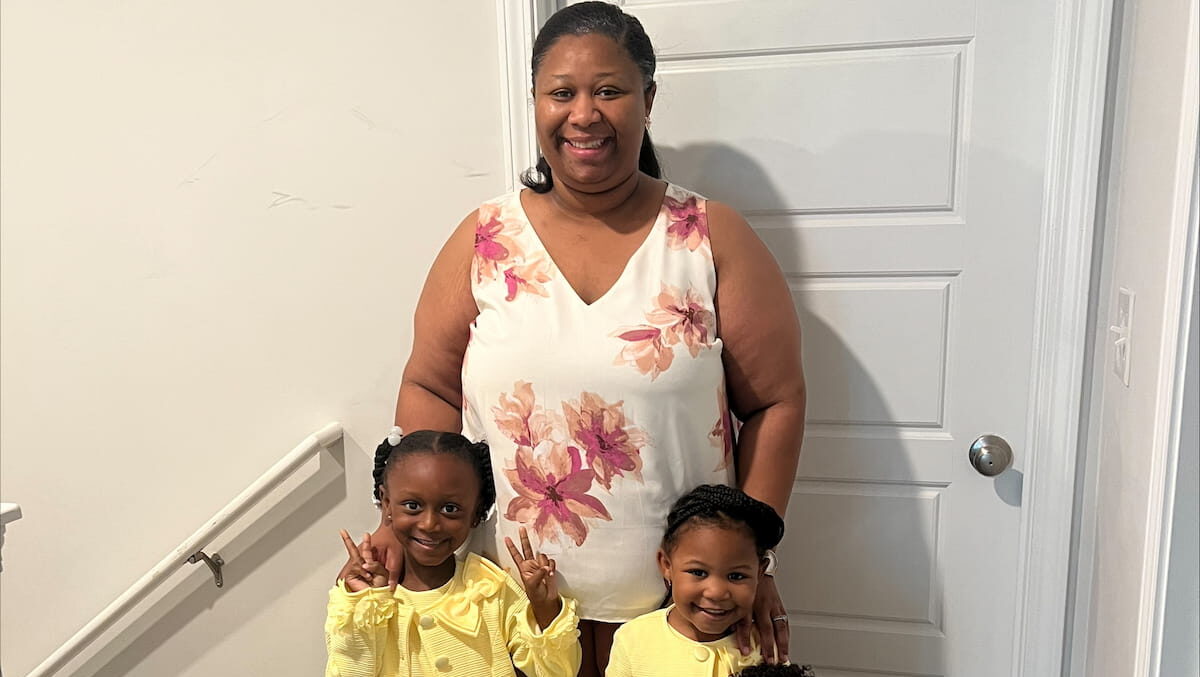
My work has absolutely changed the way I discuss health within my own family. My grandmother and my great-grandparents are still alive, and they often look to me to explain medical jargon to them. They ask me about their medications, what they are for, what side effects to look out for. It has opened the door for conversations that weren’t happening before, but should have been.
I talk to my patients about my personal experiences, too. I tell them about my own losses—I tell them about my loss with my grandfather and my sister. When patients tell me they’ve lost their mom or dad to heart disease, I tell them, “That is a point I understand, so let’s work together to try to figure out what we can do to not lose anymore.” I remind them that while a trial may or may not necessarily help them directly, it might help their grandkids, their children, and the generations to come. Let’s work together to figure it out. Passing that message along has really helped motivate people to participate in clinical trials to help someone else, and that speaks to the humility and humanity, and to the fact that there are still good people in the world. Generational health is so important, and it starts with knowing our family history and having these open conversations.
If I could reach just one person sitting at home who is dealing with a tough diagnosis or who is terrified of the words “clinical trial,” I would tell them: Keep an open mind. You don’t know what you don’t know until you ask. It is completely okay to say no, but just keep an open mind. Ask questions, be open to new possibilities, and understand that whatever decision you make is ultimately yours. Trust your gut.
Everyone is going through something right now in some capacity. The goal is to try to be 1% better. Being 1% better than the day before is all you need. Every day is a new day to be better than you were yesterday. Even if yesterday was a bad day, today is a new day to make it better. You are your own advocate, and peace is a priority. If you have peace, everything else will fall into place.
Shaquanda Goodwine, MPH, as told to Jasmine Smith

By subscribing, you consent to receive emails from BlackDoctor.com. You may unsubscribe at any time. Privacy Policy & Terms of Service.