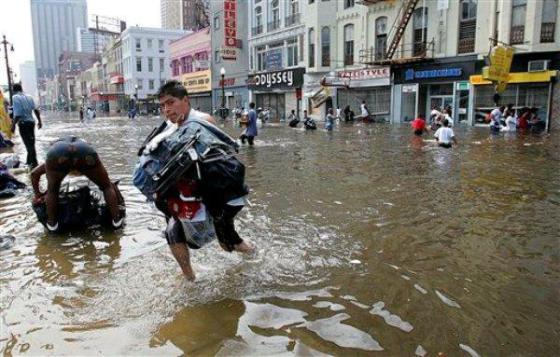
It’s hard to believe that it’s been 10 years since the most horrific natural disasters since–who knows when. The hurricane left 80 percent of the city of New Orleans under water (yes, 80%)! Hurricane Katrina changed the way the government now reacts towards nationals emergencies and natural disasters. It put a spotlight on how the government views people of it’s own and really pulled at the heartstrings of many of us.
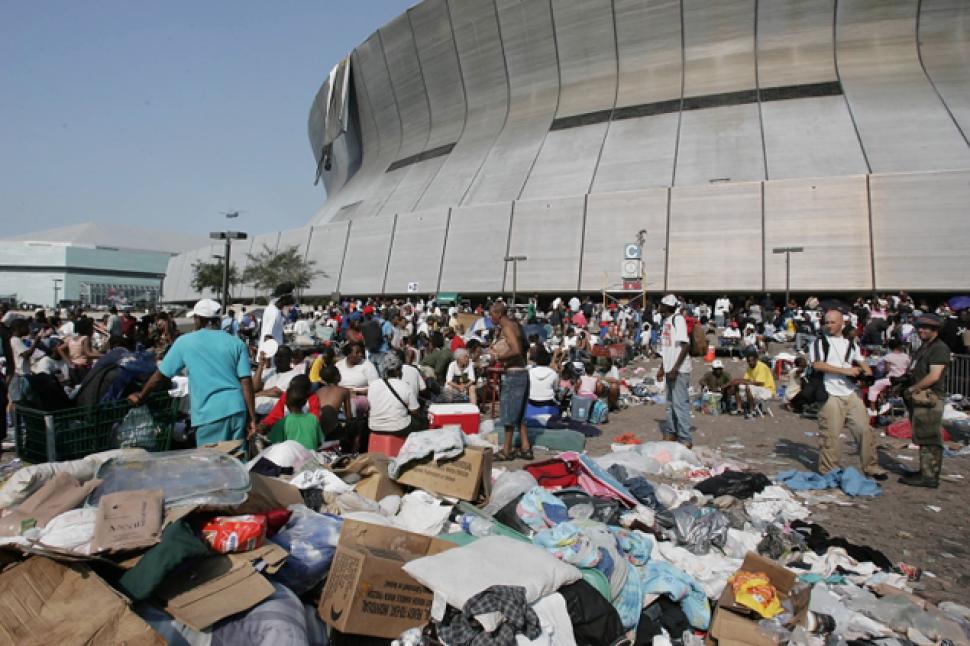
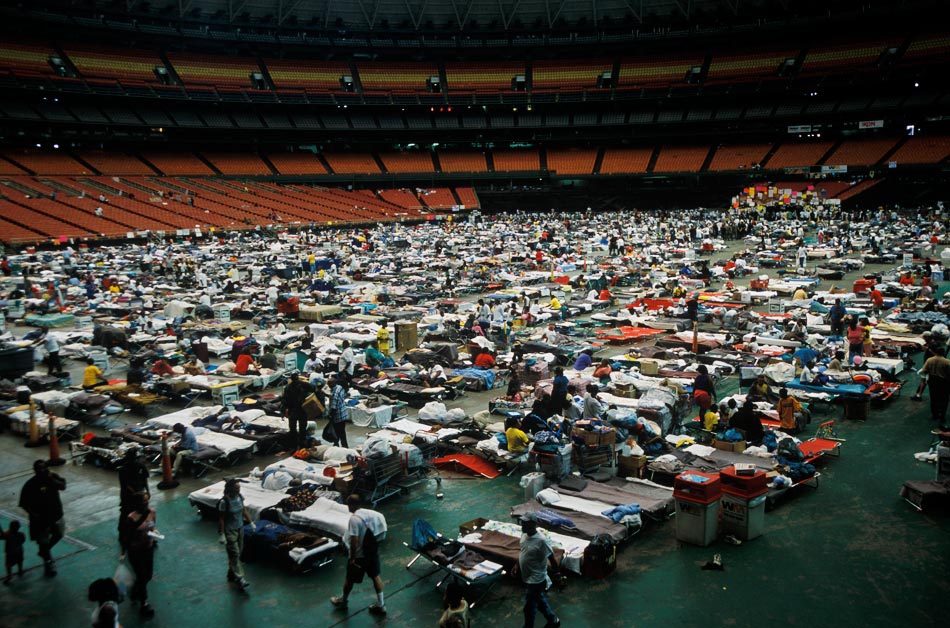
To see the pictures of people who look like us, waiting for days to get help and fresh water was heartbreaking. Many native to New Orleans now speak about life “before the water” or “after the water” as it was such a moment in history. Congress authorized spending more than $14 billion to beef up the city’s flood protection after Katrina and built a series of new barriers that included man-made islands and new wetlands. This week marks the anniversary of that life changing event. So we take a deeper look: how has things changed? If any?
Scroll through these pages and take a journey down memory lane with us as we look back to move forward.
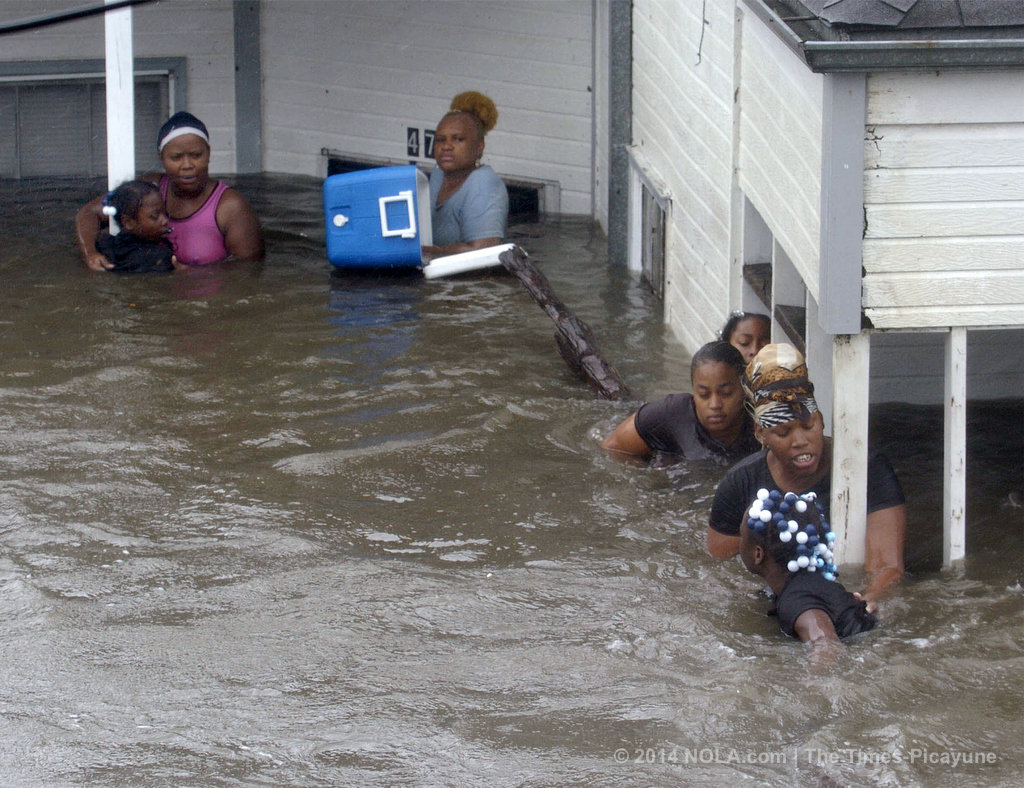

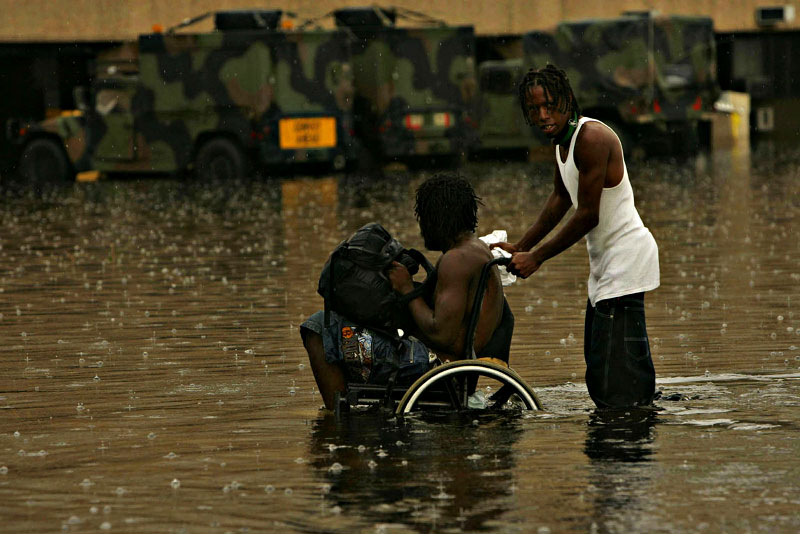

Just 39 percent of African Americans returned to their homes between one month and a year after the storm, a far lower number than the 63 percent of white residents that returned in the same time frame, according to the survey.
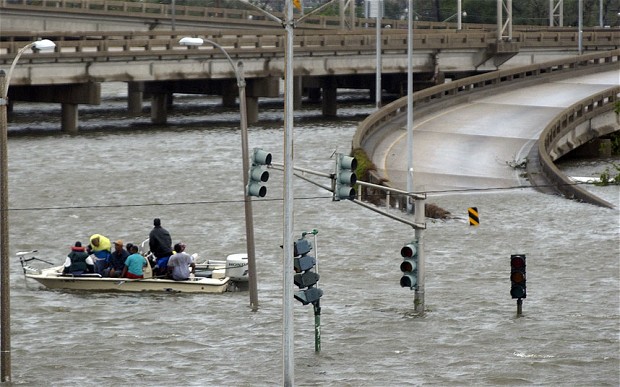
According to U.S. Census Bureau data, African Americans currently make up 32 percent of Louisianans and white residents 62 percent. But, in New Orleans, the numbers reverse, with African Americans making up 60 percent of the city and white residents 33 percent. Survey findings show that, in the city, 84 percent of the city’s current African American population lived in New Orleans before the storm, and that they “tend to have longer roots there than white residents.”
And, while a majority of residents moved back to the city after the hurricanes, the rate of their return affected how they perceived their quality of life today. Forty-six percent of the people that returned between one month and a year said their life was about the same. But if they returned more than a year later, 41 percent of respondents said their quality of life was worse.
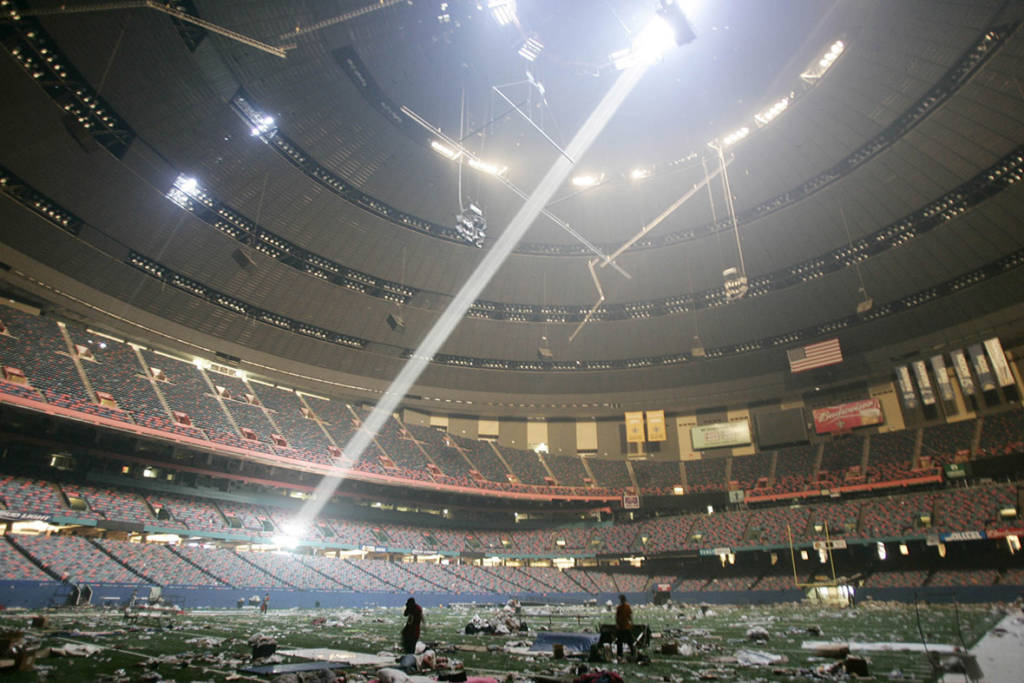

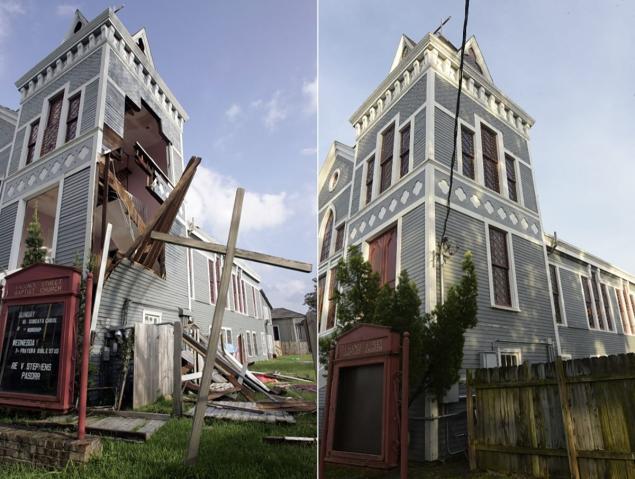

In the Greater New Orleans region—which includes two of the hardest hit parishes, Plaquemines and St. Bernard—38 percent of residents living in a different community recorded a better quality of life in comparison to the 28 percent who didn’t return.
As far as residents’ view of their community’s quality of life, very few said it was better than before the hurricane—both in New Orleans and its surrounding region.


By subscribing, you consent to receive emails from BlackDoctor.com. You may unsubscribe at any time. Privacy Policy & Terms of Service.