Cervical cancer is one of the most preventable forms of cancer, yet every year, roughly 14,000 women in the U.S. still receive this life-altering diagnosis. For many, the barriers to screening are high: from the logistical hurdles of work and childcare to the deeply personal challenges of past trauma, cultural modesty, or physical discomfort during traditional pelvic exams.
BlackDoctor spoke with Dr. Leeya Pinder, MD, MPH, a renowned gynecological oncologist and public health advocate, to discuss a revolutionary shift in women’s health—the FDA-approved HPV self-collection. This “game-changer” allows patients to perform their own screenings with a simple swab in a private setting, effectively dismantling the “one-size-fits-all” approach to gynecological care and empowering women to take control of their health on their own terms.
RELATED: What WNBA Star Erica Wheeler Wishes Her Mom Had Known About Cervical Cancer
Despite cervical cancer being largely preventable, the path to a diagnosis often starts with missed screenings due to systemic and personal obstacles.
“For people who have issues with things like transportation, the cost of screening, and going to see providers—all of those things can really be barriers to having actual screening… Number two, I think, is really kind of an understanding and awareness that cancer prevention is a thing,” Dr. Pinder shares.
Traditional pelvic exams can also be a significant deterrent. These exams involve a speculum inserted into the vaginal area to open the canal so medical professionals can see the cervix, a process that many women find discouraging.
“A lot of people have different histories… For a lot of women who have experienced some sort of trauma in their life, or for some reason have some hormonal issues such that their vagina’s not as what we call flexible or pliable, or may not have as much lubrication, sometimes those exams can really be painful to them,” Dr. Pinder explains.
For women who have experienced forms of trauma, the physical exam can cause specific complications. “They may experience tightening of those pelvic floor muscles, which can also make that speculum going on the inside pretty invasive and pretty scary,” Dr. Pinder adds.
Beyond physical discomfort, religious beliefs and cultural preferences also play a major role. “It’s a little bit traumatic for someone else to actually have a speculum placed on the inside of the vaginal area because it’s just not traditionally what they’re used to,” she says.

Fortunately, new advancements are providing safe alternatives that reduce the trauma often associated with traditional screenings. Central to this shift is the recent FDA approval of HPV self-collection.
“Someone may ask, ‘What is HPV?’ We found that the persistence of that HPV virus in someone’s system actually contributes to abnormal cells of the cervix, which is called cervical pre-cancer, which can then, if not treated, go on to something called cervical cancer itself,” Dr. Pinder notes.
“This testing looks for the highest-risk HPV types—those most likely to cause pre-cancer and transition to cervical cancer. We can now perform primary HPV testing, which allows us to determine whether or not someone is at risk for cervical pre-cancer or cancer.”
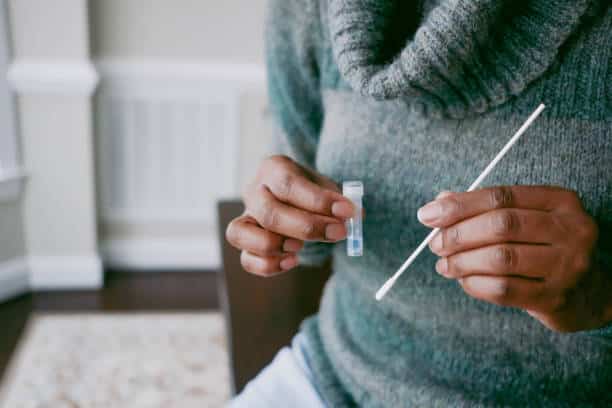
The test is simple, involving a small swab in the vaginal area, usually under some form of provider supervision. This allows clinicians to screen for the virus efficiently. “If someone has that virus in their system or in their vaginal area, we can bring them in and have another evaluation so we can manage them appropriately,” Dr. Pinder explains.
Various companies now offer HPV self-collection. One company, BD, provides the ability to comprehensively identify both high-risk and medium-risk HPV strains most associated with cervical cancer. This allows doctors to determine if a patient is at the highest risk for developing pre-cancer.
RELATED: Black Women Are Dying from Cervical Cancer at Alarming Rates—Here’s Why
“When you’re talking about targeted medicine or precision medicine, it allows us to really treat each person individually,” Dr. Pinder adds. “If you’re someone who has a higher risk, we can bring you in and have you evaluated more frequently or along the standards of care. If you’re at a lower risk, we can actually give you a little bit more reassurance and have a targeted follow-up for you that may not be as frequent.”
Dr. Pinder’s Cervical Health Tips for Women
“I just want people to really understand that there are other options, and it is important for you to talk to any of your healthcare providers so that they can tell you a little bit more about this,” Dr. Pinder concludes. “Hopefully, it’ll be an opportunity for you to get screened appropriately for cervical pre-cancer rather than cervical cancer. It is a wholly preventable disease, and we really want our women and people with cervixes to be healthy and not have to suffer from this disease.”


By subscribing, you consent to receive emails from BlackDoctor.com. You may unsubscribe at any time. Privacy Policy & Terms of Service.