(BlackDoctor.org) — Heat stroke is a form of hyperthermia, where the body’s temperature is abnormally high (usually 104 F or higher). Unlike other heat-related injuries, such as heat cramps and heat exhaustion, heat stroke is a true medical emergency that is often fatal if not properly and promptly treated.
Why Does Heat Stroke Happen
The body normally generates heat as a result of metabolism, and is usually able to dissipate the heat by radiation of heat through the skin or by evaporation of sweat. However, in extreme heat, high humidity, or vigorous physical exertion under the sun, the body may not be able to get rid of that excess heat and the body temperature rises, sometimes up to 106 F (41.1 C) or higher.
Another cause of heat stroke is dehydration. A dehydrated person may not be able to sweat fast enough to dissipate heat, which causes the body temperature to rise.
Who Does Heat Stroke Affect The Most?
Those most susceptible to heart strokes include:
• Infants
• The elderly (often with associated heart disease, lung diseases, kidney diseases, or who are taking medications that make them vulnerable to dehydration and heat strokes)
• Athletes
• Individuals who work outside and physically exert themselves under the sun.
What Are Heat Stroke Symptoms and Signs?
Symptoms of heat stroke can sometimes mimic those of heart disease or other conditions. Sometimes a person will experiences symptoms of heat exhaustion before progressing to a heat stroke.
Signs and symptoms of heat exhaustion include:
• Nausea
• Vomiting
• Fatigue
• Weakness
• Headache
• Muscle Cramps/Aches
• Dizziness
Some individuals will develop symptoms of heat stroke suddenly and rapidly without warning or heat exhaustion symptoms. Also, it’s important to note that different people can experience different heat stroke symptoms. Some of the more common symptoms include:
• High body temperature
• Absence of sweating, with hot, red and/or flushed dry skin
• Rapid pulse
• Difficulty breathing
• Strange behavior
• Hallucinations
• Confusion
• Agitation
• Disorientation
• Seizure
• Coma
How Do You Treat A Heat Stroke Victim?
Victims of heat stroke must receive immediate treatment to avoid permanent organ damage. The essential steps that need to be taken include:
• Cool the victim as quickly as possible! Help get them to a shady area, remove clothing, apply cool or tepid water to the skin (for example, you may spray the victim with cool water from a garden hose), fan the victim to promote sweating and evaporation, and place ice packs under the armpits and groin.
• If the person is able to drink liquids, have them drink cool water or other cool beverages that do not contain alcohol or caffeine.
• Monitor body temperature with a thermometer and continue cooling efforts until the body temperature drops to 101 to 102 F (38.3 to 38.8 C).
• Always notify emergency services (911) immediately. If their arrival is delayed, they can give you further instructions for treatment of the victim.
How Can Heat Stroke Be Prevented?
• The most important way to prevent heat strokes are to avoid becoming dehydrated and to avoid vigorous physical activities in hot and humid weather.
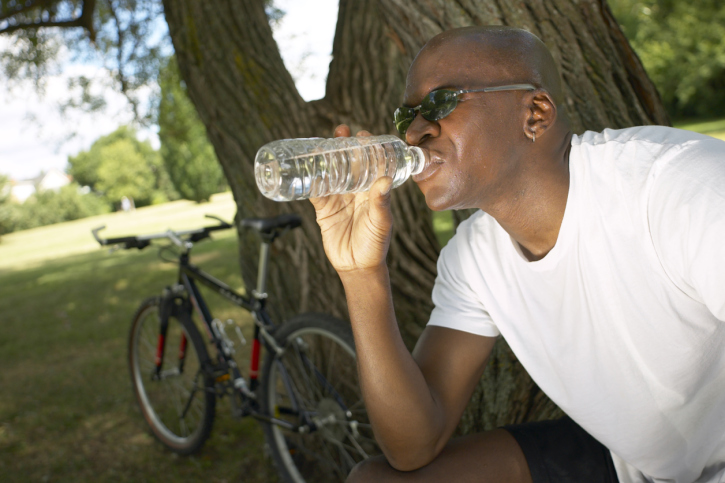
• If you have to perform physical activities in hot weather, drink plenty of fluids (such as water and sports drinks). Remember that you will also need to replenish your electrolytes (such as sodium) as well, especially if you sweat excessively or are performing vigorous activity in the sunlight for prolonged periods of time.
• It is important to avoid alcohol and caffeinated beverages, such as certain soft drinks, tea and coffee, since both alcohol and caffeine cause dehydration.
• Take frequent breaks to hydrate yourself. Wear hats and light-colored, lightweight, loose clothes.
• Keep cars locked when not in use and never, ever, leave children or pets unattended in a locked car.


By subscribing, you consent to receive emails from BlackDoctor.com. You may unsubscribe at any time. Privacy Policy & Terms of Service.