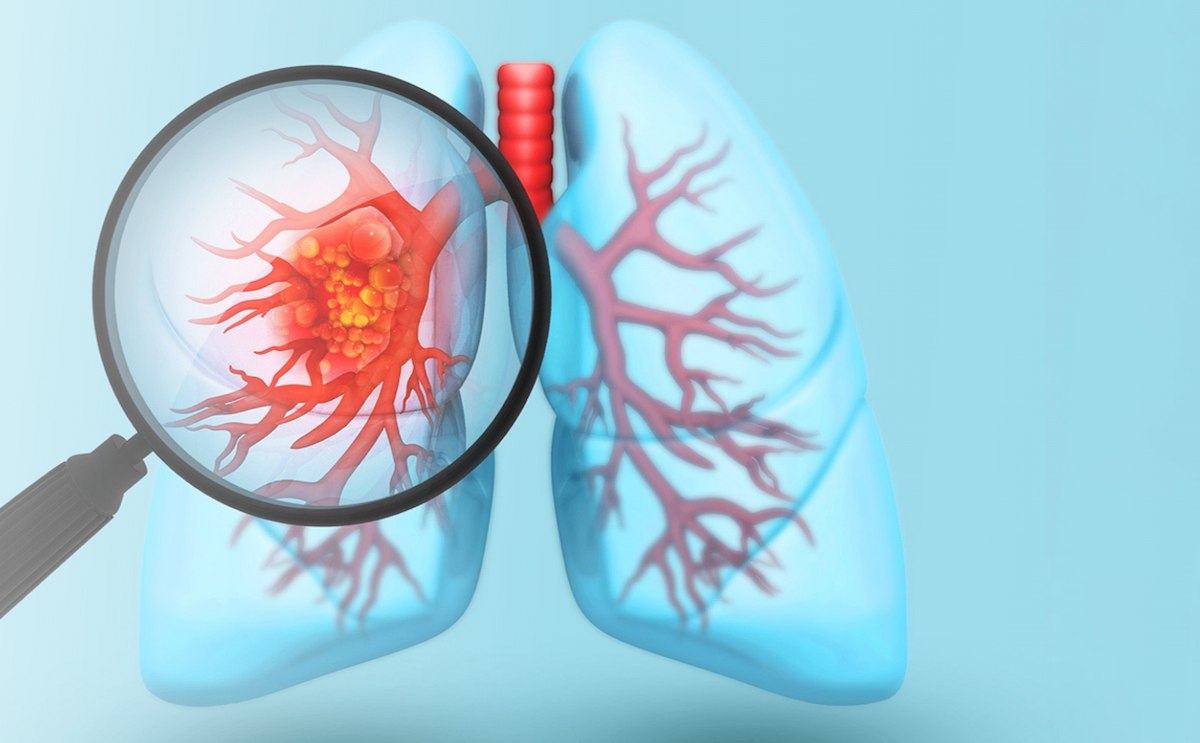
Inflammation is a vital defense mechanism: when you’re injured or battling an infection, inflammation brings immune cells and repair mechanisms to the site. But when inflammation becomes chronic — lingering at low levels long after the trigger is gone — it becomes a silent engine of disease.
Over time, chronic inflammation can:
In short, chronic inflammation is a long-term stressor on the body, eroding health slowly but steadily. That’s why dietary strategies that reduce inflammatory load are an important protective tool, especially for communities with higher baseline risk.
RELATED: The Ultimate Anti-Inflammatory Foods List
Eating anti-inflammatories doesn’t require exotic superfoods. Many staples are budget-friendly. Here are some of the top picks:
Canned sardines, mackerel, salmon, and tuna are among the most cost-effective ways to get omega-3s, protein, and minerals.
Frozen spinach, kale, broccoli, peas, mixed greens: they are often cheaper than fresh, stay fresh longer, and retain nutrients.
Berries are rich in antioxidants and polyphenols that help quench inflammation. Buy them frozen to save cost and reduce waste.
Dry or canned beans (black beans, chickpeas, pinto beans, lentils) are high in fiber, resistant starch, protein, and phytochemicals. They cost little and go far.
Sweet potatoes, beets, carrots — they store well, are filling, and supply antioxidants. Beets, for example, carry betalains, which have anti-inflammatory properties.
Whole grains supply fiber and anti-inflammatory compounds. Rolled oats are inexpensive, filling, and have bioactive compounds (avenanthramides).
Walnuts, chia, flaxseed, sunflower seeds. Buy in bulk to reduce per-unit cost.
In-season produce tends to be cheaper. Watch flyers, local markets, and deals.
Turmeric, ginger, garlic, onions, black pepper, and cinnamon — these are relatively low-cost and boost anti-inflammatory function in small doses.
Cabbage, collards, kale — inexpensive, hardy, nutrient-dense. In fact, an EatingWell list of budget anti-inflammatory foods ranks cabbage and frozen greens among the top picks.
By keeping a pantry and freezer stocked with these items, you lower the barrier to making anti-inflammatory meals daily.
RELATED: 10 Anti-Inflammatory Soup Recipes You’ll Want All Year Long
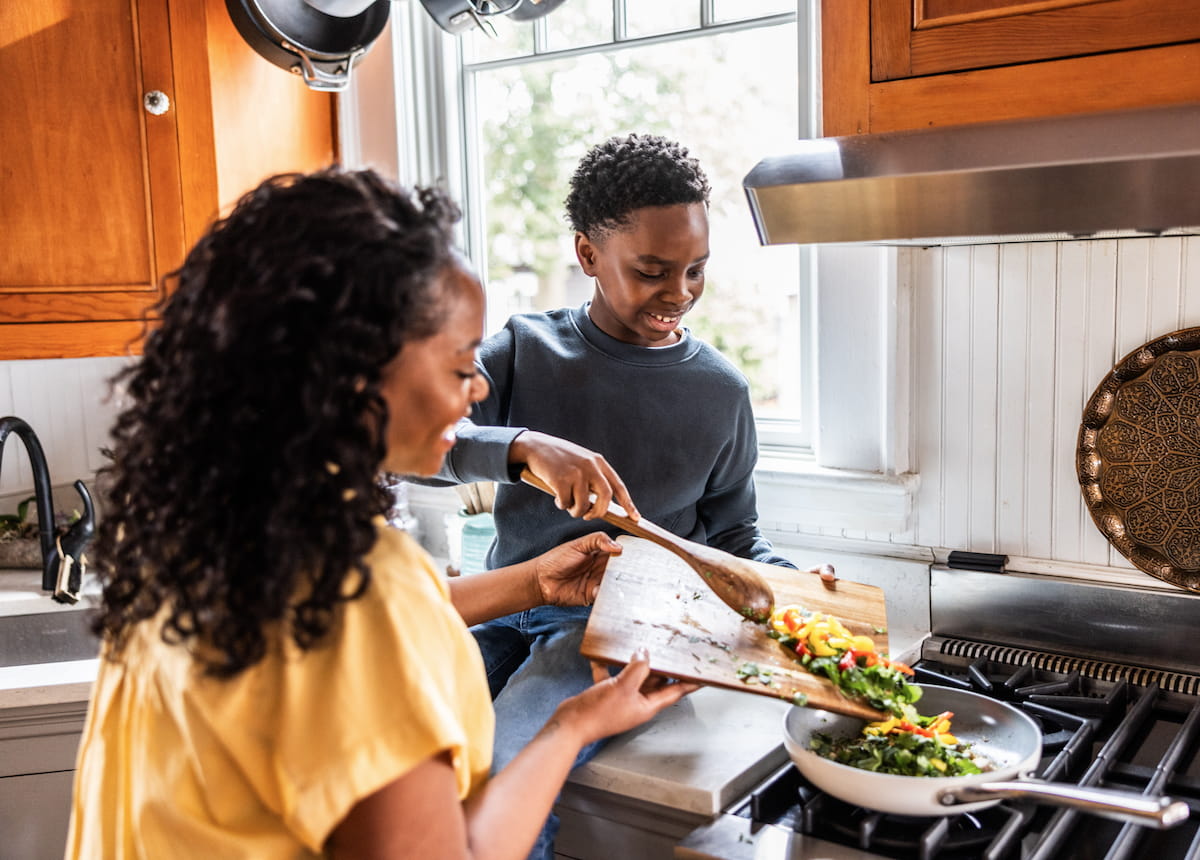
Good planning turns expensive impulse buys into consistent, affordable health.
Cook large pots of beans, stews, soups, and grains, roast large batches of vegetables, and portion them for several meals. This reduces waste, saves time, and avoids resorting to fast/processed foods.
Shop what’s on sale, or what’s cheap that week — plan your menus around those. Budget meal planners use that tactic.
You don’t have to eliminate meat, but replace some portions with beans, lentils, or mixed bean/meat dishes. This stretches the cost and reduces saturated fat.
Turn leftovers into soups, wraps, salads, and bowls. For example, leftover beans + grains + roasted vegetables = a bowl.
When cooking, double or triple recipes and freeze portions. This reduces meals where you opt for convenience food.
Have a few go-to templates: grain + bean + vegetable + sauce. With small tweaks (herbs, spices, texture), this becomes different meals.
Only buy what you will use, store properly, use frozen/canned options when fresh spoils, and plan to repurpose odds and ends. Many people waste money because they buy produce that rots.
Although processed foods seem easier, they are often more expensive per serving and have a higher inflammatory load.
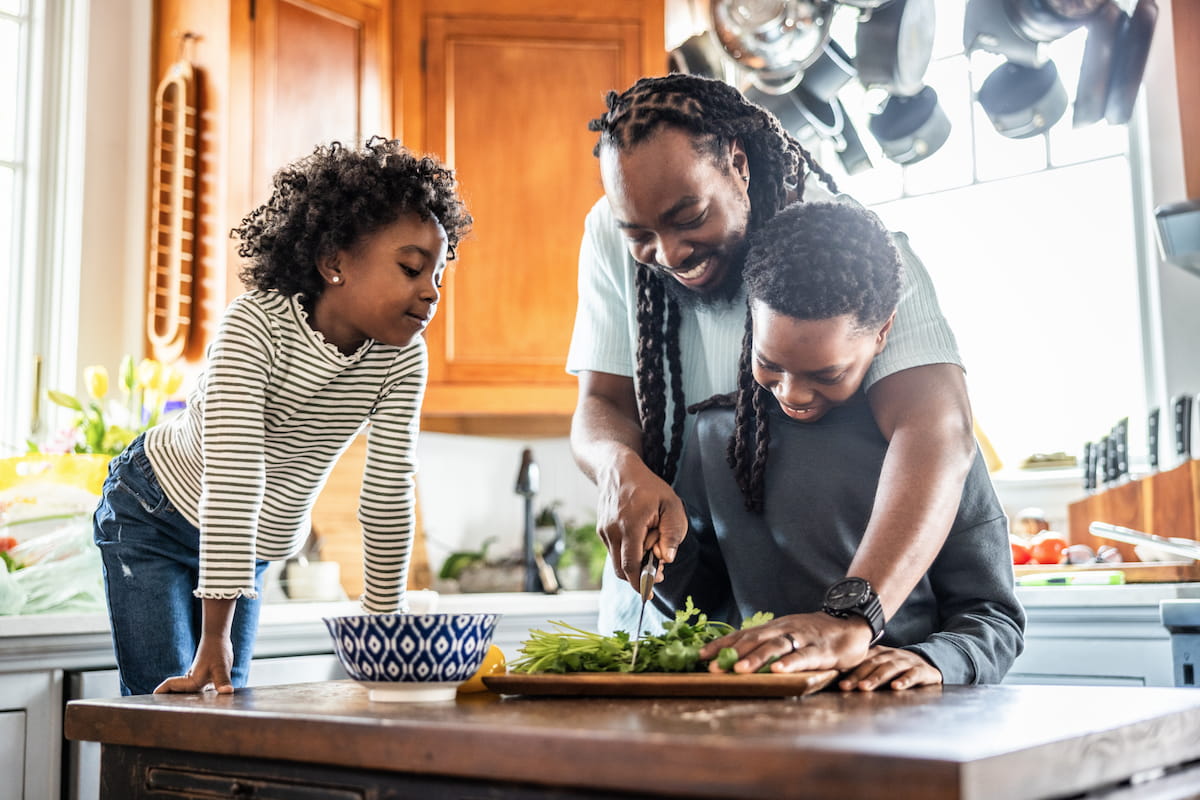
How you cook matters. Some methods destroy nutrients; others enhance bioavailability.
These methods help retain vitamins, antioxidants, and phytonutrients.
Roasting vegetables brings flavor and concentrates sugars, but avoid burning or charring (which produces pro-inflammatory compounds).
Cook with olive oil, avocado oil, or small amounts of coconut oil (if tolerated). Fats help absorb fat-soluble compounds like curcumin and carotenoids.
Simmering vegetables and legumes slowly helps integrate flavors and break down fibers for better digestibility.
Add turmeric, ginger, garlic, lemon, and lime toward the end of cooking to preserve volatile compounds and antioxidants.
Overcooking reduces nutrient content. Minimal necessary heat, minimal water loss.
Avoid packaged sauces, gravies, or marinades high in sugar, salt, or additives. Make your own simple salsas or herb blends.
RELATED: 5 Anti-Inflammatory Exercises to Try While Traveling
One of the common fears is that shifting toward anti-inflammatory diets means giving up cultural foodways. But culture and health can coexist beautifully. Here’s how:
Take the foods you love and make healthier swaps. For example:
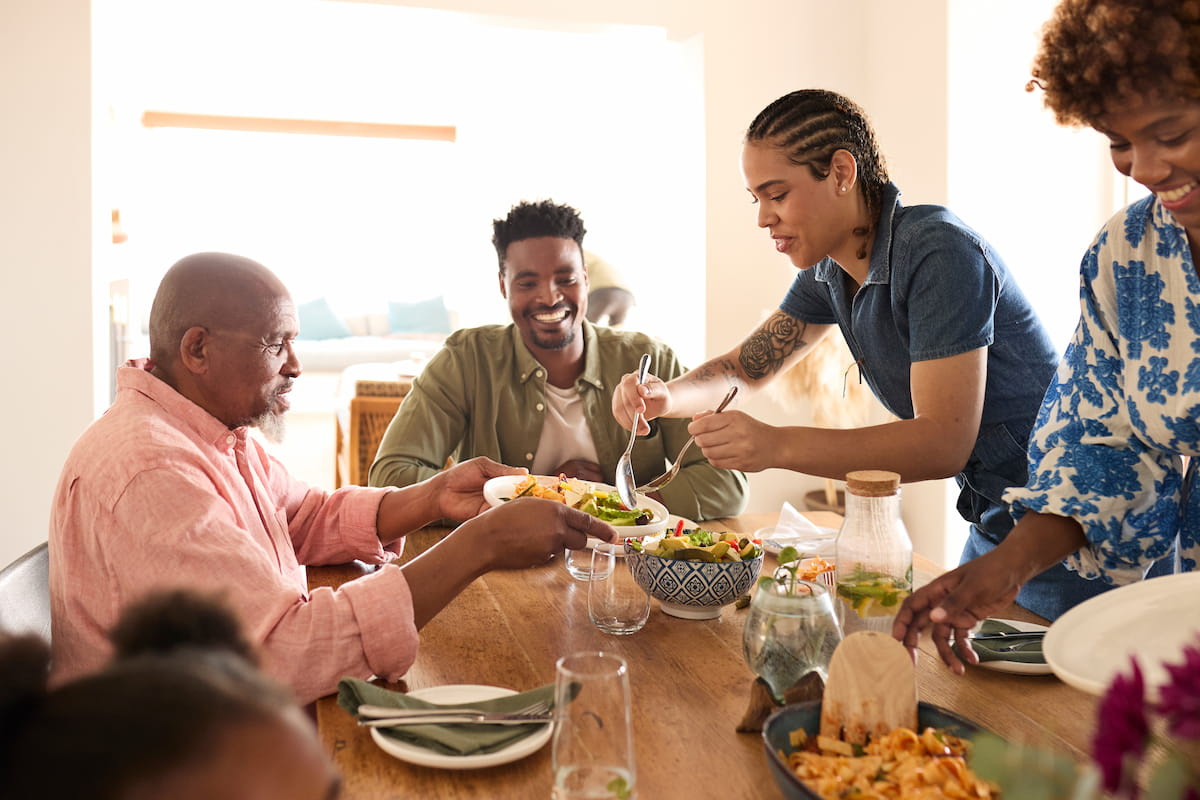
Many cultural meals are communal — make big pots together, share the work, pass down recipes. That reduces marginal effort and reinforces tradition.
Use culturally familiar herbs, teas, and plants for flavor, healing, and ritual value. They often carry antioxidant or anti-inflammatory properties.
Cultural practices often include soaking, fermenting, and sprouting (e.g., beans, grains). These techniques reduce anti-nutrients, improve digestibility, and sometimes enhance bioactive compounds.
5. Teach and pass on knowledge within your community
Preserve elders’ recipes, traditional cooking methods, and folklore around food. When younger generations see health and tradition linked, the shift feels less like a burden.
Let your cultural spice palettes (peppers, citrus, onions, herbs) lead flavor rather than relying on salt, fat, and heavy sauces.
If time or resources are limited, use partial shortcuts: frozen greens, canned beans, premixed spice blends you trust. But anchor them with traditional elements you love.
Here’s a sample day that blends affordability, anti-inflammatory principles, and cultural components:
You can scale and adapt this template using your cultural flavors (e.g., akee, okra, plantains, lentil stews, beans and rice with cultural spices). The goal is to blend heritage and health.


By subscribing, you consent to receive emails from BlackDoctor.com. You may unsubscribe at any time. Privacy Policy & Terms of Service.