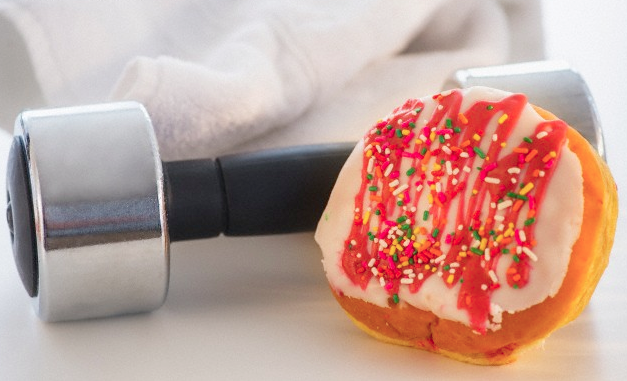
Working out can work up your appetite, but…
…don’t go reaching for a greasy slice of pizza or loaded French fries after your cardio session.To put things into perspective, your typical buffet meal can run you about 1000 calories easily if you take in 2 courses plus a desert. To work off 1000 calories you would have to run for about 60 minutes or walk for 4 hours.
Some people might try and justify pigging out to this extent by going for a 30-40 minute walk in the afternoon or a 20 minute bike ride later once they have digested. This is hardly enough to make up for all the food that was eaten though the intent was positive.
Essentially, you want to create a balance with your food and exercise habits. In a perfect world, if you can exercise regularly and keep fit, you can afford to treat yourself once in a while to a little indulgence. Simply working out the day after an over sized meal will not suffice and leave you scratching your head on the scale.
So how do you deal with your crazy post-gym cravings? Use these dieting tips to avoid eating back all the calories you work off.
Eat Every 3 to 4 Hours
Giving your body a steady supply of calories keeps blood sugar normal during and after exercise, and it can prevent an excessively high insulin response the next time you eat that encourages excess body fat. To avoid taking in extra calories because you’re eating more often, keep meals to 500 calories or less and snacks under 200, limiting total calories to about 1,600 to 1,800 a day.
Have Protein at Every Meal
Protein increases satiety and helps keep your appetite under control by stimulating gut hormones that help you feel full. Options include eggs, milk, soy milk, yogurt, and oatmeal for breakfast. Include nuts, beans, whole grains, lowfat dairy, fish, lean meats, and poultry at other meals and snacks to ensure you get enough protein.
Load Up on Fiber
Bulky foods will fill you up on fewer calories. Aim for 25 to 30 g of fiber per day. Include at least 5 g in every meal and snack. At meals, try 1/2 cup of black beans, 1 cup of split-pea soup, or 1 cup of steamed spinach with 1/2 cup of raw carrot sticks. For snacks, try an apple plus a handful of nuts, or a rye crisp bread and a pear.
Pack A Snack
If you’ve worked up a sweat for an hour or more, have a little something within 30 minutes of finishing, even if you don’t feel like it. The ideal snack has carbs to refuel your energy stores and protein to help repair muscle tissue. Shoot for 150 to 200 calories, such as a smoothie or a stick of string cheese with a few whole-wheat crackers. If you exercise for more than 90 minutes, you’ll need a more substantial, 200- to 250-calorie snack, like a turkey sandwich on whole wheat bread.
Quench Your Thirst with Water
Exercise is more likely to increase your thirst, but many people mistake thirst for hunger. Next time you have the munchies, especially post workout, try to satisfy your desire with calorie-free H2O. Sipping sweetened drinks can quickly override any calorie deficit created by working out.
Eat Low GI Foods
Eating meals that are low on the glycemic index (GI) — a measure of how quickly blood sugar spikes — can keep you from feeling ravenous. Low-GI foods elicit less of a blood sugar response, which can encourage the body to recruit its fat stores for fuel. They also tend to be high in fiber and protein, which can fend off hunger. On a daily basis, fill up on high-fiber grains and produce instead of more processed fare: steel-cut oats instead of instant and fresh peaches instead of the syrupy canned kind.


By subscribing, you consent to receive emails from BlackDoctor.com. You may unsubscribe at any time. Privacy Policy & Terms of Service.