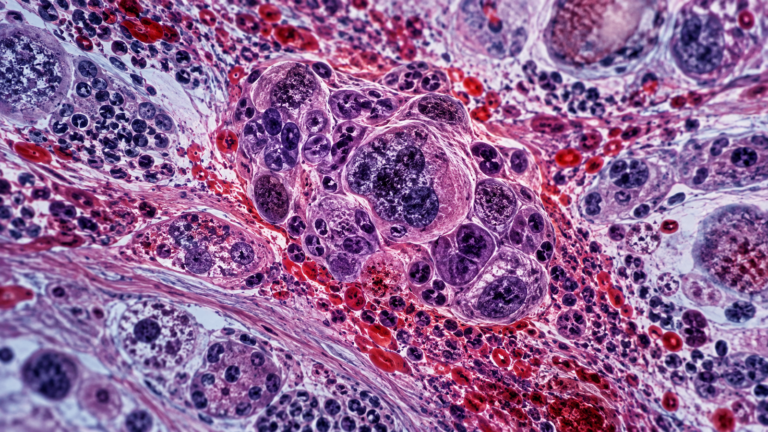
A large percentage of the global population suffers from Hidradenitis Suppurativa (HS), a chronic skin disorder. The unexpected nature of HS means that it may impact people in different ways and varying degrees of severity. We will delve into the characteristics of HS, its phases, the development of symptoms, its unique impact on patients, and the significance of distinguishing it from other skin illnesses.
HS patients may experience the development of painful, recurrent, and often progressive nodules and abscesses in areas of the body that contain apocrine sweat glands. These areas include the armpits, groin, buttocks, and behind the breasts.
The growth of sinus tracts and the subsequent generation of pus from these lesions may exacerbate the symptoms and make the condition far more challenging to control. In contrast to severe HS, which is defined by broad and incapacitating involvement, mild HS is characterized by having lesions that are uncommon and isolated.
RELATED: 5 Skincare Products to Avoid With HS
HS is often classified into three stages based on the Hurley Staging System.
RELATED: Is It HS? 6 Common Misdiagnoses Black Folks Should Look Out For
HS may develop steadily from a painful lump or boil to many abscesses and associated tunnels as it progresses. This process can be very painful. These flare-ups may be caused by a variety of factors, including changes in hormone levels, friction, and stress. While it is often impossible to forecast how the illness will progress, it is possible that some people can have remissions, which is a period during which their symptoms improve for a little time, before having flare-ups once again.
The effects of HS may vary significantly from one patient to the next patients. For some individuals, the physical pain and suffering caused by the condition may be so debilitating that it makes it impossible for them to do even the most fundamental of day-to-day activities. The presence of sinus tracts and abscesses may also result in significant psychological pain, which can affect one’s self-esteem, body image, and overall quality of life. As a result of the chronic nature of HS, patients may experience feelings of social isolation, depression, and anxiety, which worsens the emotional strain they are already under.
If you attempt to diagnose HS, it may be difficult to differentiate it from other skin problems such as folliculitis, acne, or furunculosis since all of these conditions might have similar symptoms to those of HS. To ensure that the appropriate treatment strategies are implemented, it is necessary to have an accurate diagnosis. It is feasible for dermatologists to employ imaging technologies, laboratory tests, and clinical exams to diagnose HS and exclude other potential causes of the condition.
The unpredictable and varied symptoms of hidradenitis suppurativa have the potential to significantly damage the lives of people who are affected by the condition. Regardless of the disease’s severity, patients and healthcare practitioners need to have a comprehensive understanding of the features, stages, development, and implications of HS to establish successful treatment options. The early diagnosis and differentiation of HS from other skin illnesses is necessary to effectively treat this challenging condition and improve the quality of life for individuals living with HS.


By subscribing, you consent to receive emails from BlackDoctor.com. You may unsubscribe at any time. Privacy Policy & Terms of Service.