In the wake of the heartbreaking suicide of Regina King’s son Ian Alexander Jr., her close friend and actress Vivica Fox is shedding light on the importance of noticing the signs that your loved one may be in a dark place.
“I just pray that what we do more than anything else for our sons, for our children … COVID and everything has got everybody in a dark spot, in a dark place. If y’all see any signs of someone being in distress or if somebody reaches out to you that is maybe not having a good day … stop, take a moment, make sure they are okay,” Fox says.
Just a week before his death, Alexander Jr. shared a tweet about social media and the effect it may have been having on his mental health.
“I don’t think Instagram is healthy for me,” one of his tweets read.
In another tweet, Alexander Jr. wrote, “You know that episode of SpongeBob where they go inside his brain and it’s a bunch of mini spongebobs just losing their s—…..yea that one really hits home.”
RELATED: Son of Award-Winning Actress, Regina King, Passes Away at 26
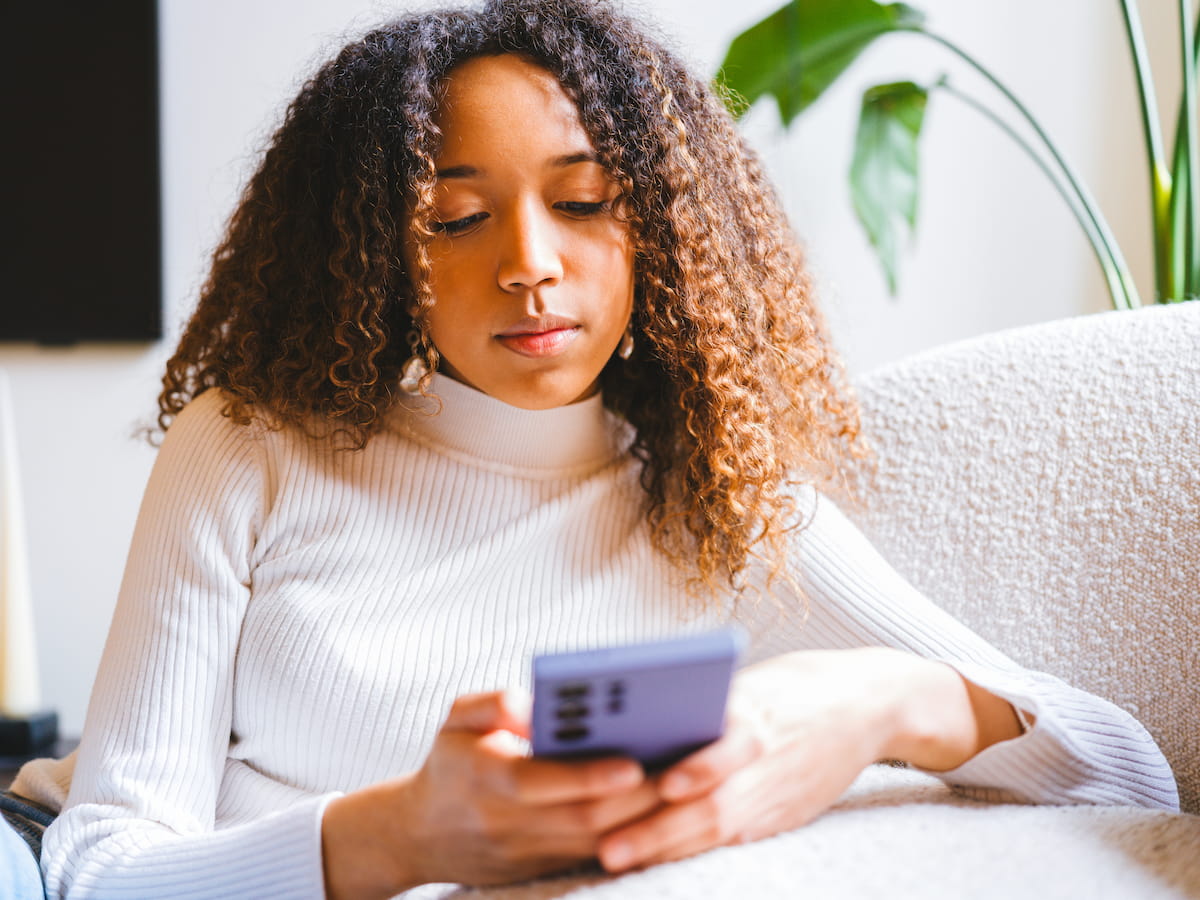
These tweets shed light on a much deeper conversation that needs to be had: the conversation about the impact social media has on the mental health of the youth, especially during the pandemic when more teens and young adults turned to their phones for a distraction or escape.
So how do you help someone whose mental health may be impacted by social media?
There are many things a person can do to protect their loved ones from the potentially negative effects of social media, experts say.
While there are positive aspects to social media, there’s evidence it can pose risks to a person’s mental health due to issues such as bullying, body image concerns and other social pressures.
“The reality is that social media is part of the world we live in, and it’s not going away,” says Mari Radzik, a clinical psychologist in the division of adolescent and young adult medicine at Children’s Hospital Los Angeles.
“We can’t just take away our kids’ phones or computers. It’s about figuring out how we can guide them on using and navigating these tools,” Radzik said in a hospital news release.
RELATED: How Social Media Has Become Directly Linked To Severe Mental Illness
The first step to helping your loved one is recognizing the signs of a social media-related problem. Some signs of social media-related problems include changes in mood, eating and sleep habits, as well as isolation. In such cases, you might want to begin a discussion about their social media use by using “I” instead of “you” statements, Radzik suggests.
Instead of saying, “You’re on Instagram way too much and that’s bad for you,” try, “I noticed this and I’m really worried. Can we talk about it?” If your loved one doesn’t want to talk at that moment, let them know you’ll be there when they feel ready.
If you’re certain that social media is affecting your loved one’s mental health, suggest they take a break or even delete their account.
“Berating will make a young person shut down,” Radzik says. “Or sometimes parents will dig through their child’s social media accounts and that can feel invasive. The approach has to come from a place of caring and concern, rather than something punitive or accusatory.”
Parents should check in frequently and pay attention to their teens’ media use, says Sarah Voyer, lead social worker in the division of psychiatry at Children’s Hospital Los Angeles.
Parents may want to ask their teens how they use social media — do they share updates with their friends, follow certain celebrities or influencers, or are they seeking some kind of advice or help — and how they feel when they use it, Voyer adds.
“There are some kids who can break the cycle, and sometimes it takes the parent to help with that,” Radzik notes.
Before a child begins to use social media, parents should set parameters, according to Radzik.
“It can be problematic when children are given regular access to cellphones at an early age,” she says. “I understand the need to use it at times, especially age-appropriate material. But as parents, we need to encourage a curiosity of the world around them and use creativity tools rather than rely on social media all the time.”
For more information on mental health and locating treatment services in your area. Speak to a live person, Monday through Friday from 8 a.m. to 8 p.m. EST through the SAMHSA Treatment Referral Helpline, 1-877-SAMHSA7 (1-877-726-4727).


By subscribing, you consent to receive emails from BlackDoctor.com. You may unsubscribe at any time. Privacy Policy & Terms of Service.