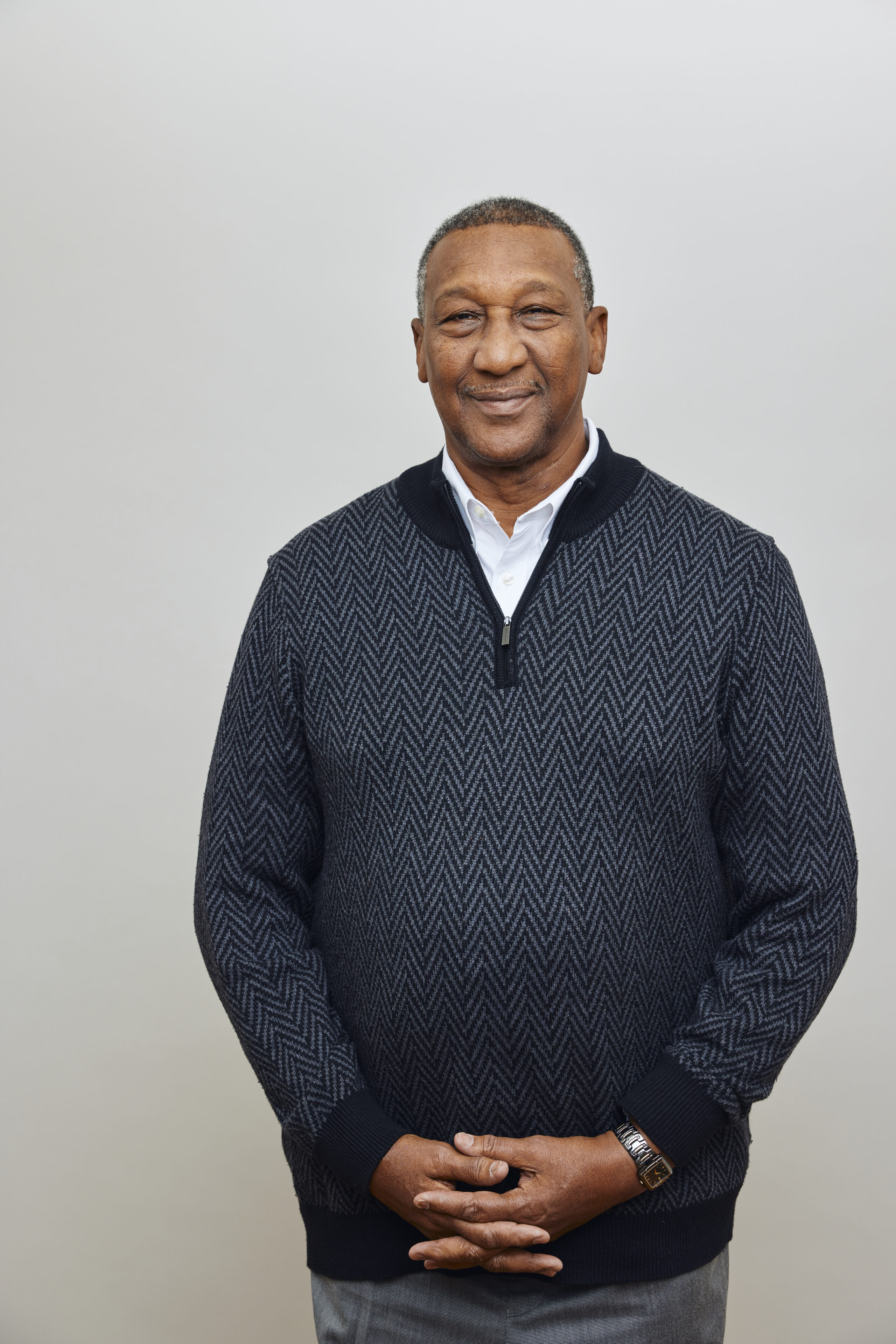
 Photo courtesy of PAN Foundation
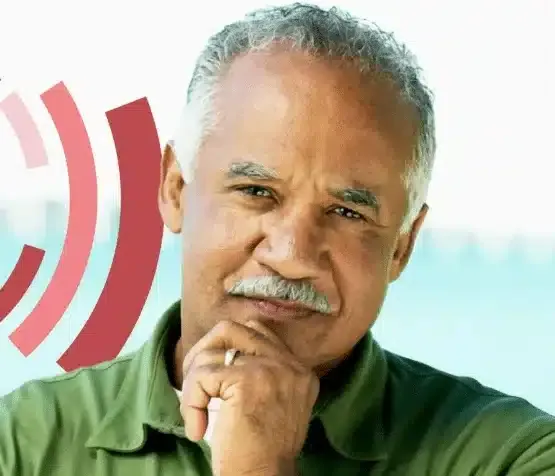
Prostate cancer is a diagnosis that reshapes lives. For William (Bill) Allen Jr., a prostate cancer survivor and advocate, his diagnosis in 2004 was not just a personal challenge but a springboard to a broader mission: to advocate for equitable healthcare access, promote clinical trials, and empower underserved communities, particularly people of color, with knowledge and resources.
In 2004, during a routine check-up, Bill’s doctor noticed an abnormality that led to a biopsy confirming prostate cancer. At 54, with no family history of the disease, Bill was blindsided.
“Hearing the word ‘cancer’ can be pretty devastating, to say the least. It was an earth-shattering diagnosis, especially because I lacked knowledge about it. You don’t expect that kind of news at the age of 54,” Allen tells BlackDoctor.org.
The lack of available knowledge at the time added to the overwhelming nature of his diagnosis.
“My wife and I discussed the diagnosis extensively, trying to understand what it meant. We had two sons at the time—one was 26 and the other 23. The older one was planning his wedding for the next year, so I decided not to tell them until I fully understood what I was dealing with,” Allen adds.
Despite the uncertainty, Allen approached his treatment with determination, taking the time to educate himself about prostate cancer.
“The urologist gave me a lot of information, which I read through diligently. I’d advise anyone who gets a diagnosis like this to read the materials given to them. Of course, there’s the internet, but you want to make sure you use reliable sources. Talking to your doctor is still the best way to understand your condition and options,” he shares.
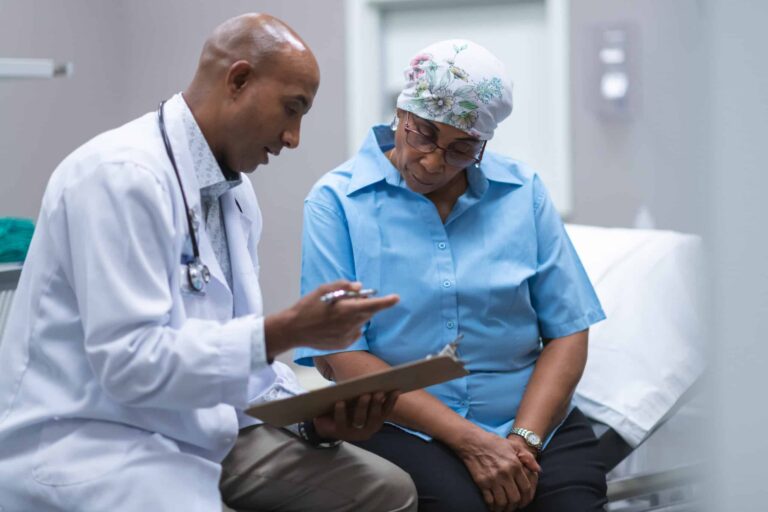
After being presented with several options like a prostatectomy, brachytherapy (radioactive seed implants), external radiation, or a wait-and-see approach to monitor PSA (prostate-specific antigen) levels, Allen opted for a prostatectomy, which involved a large incision in the pelvic area.
“I decided against waiting since I didn’t want to risk losing other treatment options,” he says. “It was a serious operation, and recovery took time. After the surgery, my PSA levels dropped to zero because the prostate was removed.”
RELATED: Why Black Men Are 70% More Likely to Get Prostate Cancer
However, by 2006, Allen’s PSA levels began to rise again, indicating the cancer might still be present. “I then underwent 36 rounds of radiation therapy at a cancer center in Richmond, Virginia,” he shares.
During radiation, Allen was introduced to the opportunity to participate in a clinical trial.
“The trial involved a drug designed to mitigate radiation-induced injuries to the rectum. I decided to participate, viewing it as a way to help both myself and others. As a Black man, I hadn’t known much about clinical trials before, but I learned a lot from the experience,” Allen notes.
While undergoing radiation, Allen maintained a full-time job, traveling across the country for his career in the insurance industry.
“I managed, but I started to feel extremely fatigued, which I believed was due to the drug I was taking in the trial. I discussed it with my clinician, and they assured me that I could stop taking it if I wanted. After discontinuing the drug, I began to feel better and was able to maintain my demanding schedule,” he adds.
Years later, Allen’s PSA levels rose again, and he started androgen deprivation therapy (ADT), which involves a shot every three months to lower testosterone. “Testosterone feeds cancer cells, so this therapy aims to starve the cancer. I’m still on ADT today but now take it every six months,” he shares.
In 2019, Allen participated in another treatment called immunotherapy. “This therapy involves extracting and modifying your white blood cells to help fight cancer. It’s non-invasive and designed to extend life expectancy. I’ve been fortunate to see its benefits,” Allen adds.
Allen is also currently taking four oral chemotherapy tablets a day. “The medication is expensive—around $15,000 per month—but I’ve been fortunate to receive grant assistance to cover the costs,” he shares.
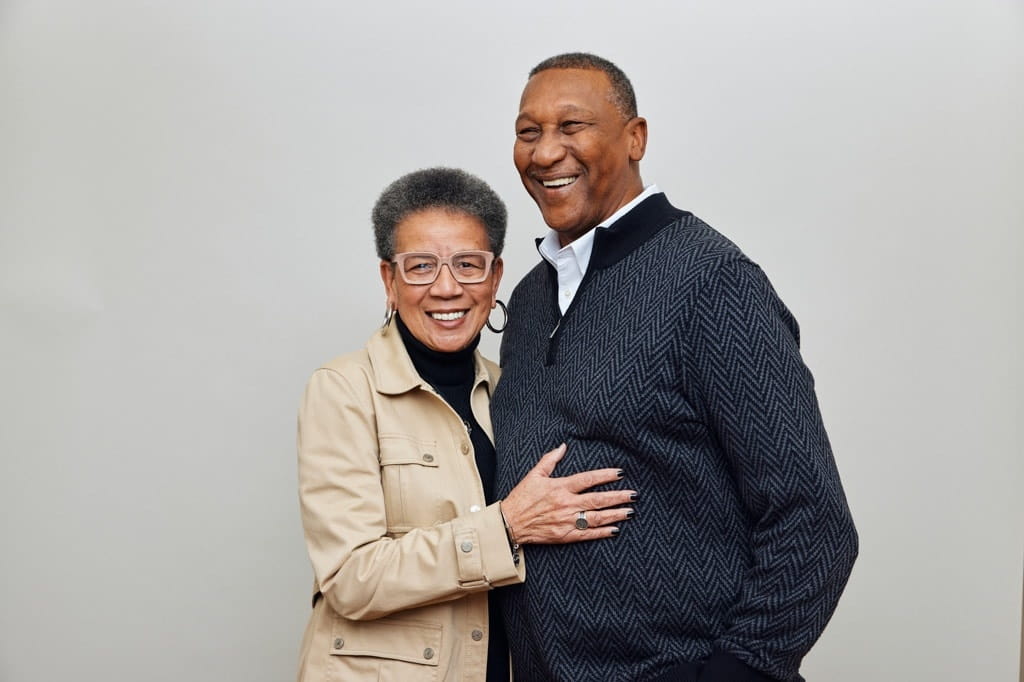 Photo courtesy of PAN Foundation
Allen’s personal journey and evolving outlook on clinical trials have led him to a partnership with the
. Through PAN, he has become a voice for reducing financial barriers to care. For instance, the $15,000 monthly cost of his oral chemotherapy is covered through grant assistance facilitated by PAN.
He has worked with PAN to promote policies addressing systemic barriers such as:
As a member of PAN’s Patient and Friends Council, Bill also collaborates on initiatives that inform patients about their options and resources, including the
Opening Doors to Clinical Trials
website.
“Congress is considering several acts to promote participation in clinical trials through the National Institutes of Health (NIH). The goal is to increase awareness of clinical trials, make them accessible to more patients, and cover associated costs,” Allen adds.
Allen’s work in developing the website also gave him valuable insights into the history of clinical trials.
“Some of the trials conducted in the early days of healthcare were devastating, particularly for people of color, due to unethical practices and their long-lasting effects. However, this website offers a comprehensive, historical perspective as well as current information about clinical trials for specific diseases,” he notes.
Additionally, Allen has witnessed the lasting effects of clinical trials within his own family, where a genetic disorder called ataxia is prevalent.
“This experience has shown me how critical clinical trials are, particularly for African American families dealing with genetic or chronic conditions like diabetes, heart disease, sickle cell anemia, and lupus,” he adds.
RELATED: Prostate Cancer Survivor’s Message to Black Men: “Don’t Wait Till Something is Wrong”
Sharing your story is a powerful tool—not just for personal healing but for educating and supporting others. As Allen points out, this is particularly crucial in Black communities, where health topics are often left unspoken.
“Whether it’s with family, friends, community groups, or your church, talking about your health journey can be incredibly helpful to others. I’ve noticed that in Black communities, particularly among men, we often don’t talk about our health. I live in a retirement community now, and I started a men’s group. We meet monthly, not necessarily to discuss health, but just to connect. Naturally, health topics come up, and it provides an opportunity to share experiences and advice informally,” Allen says.
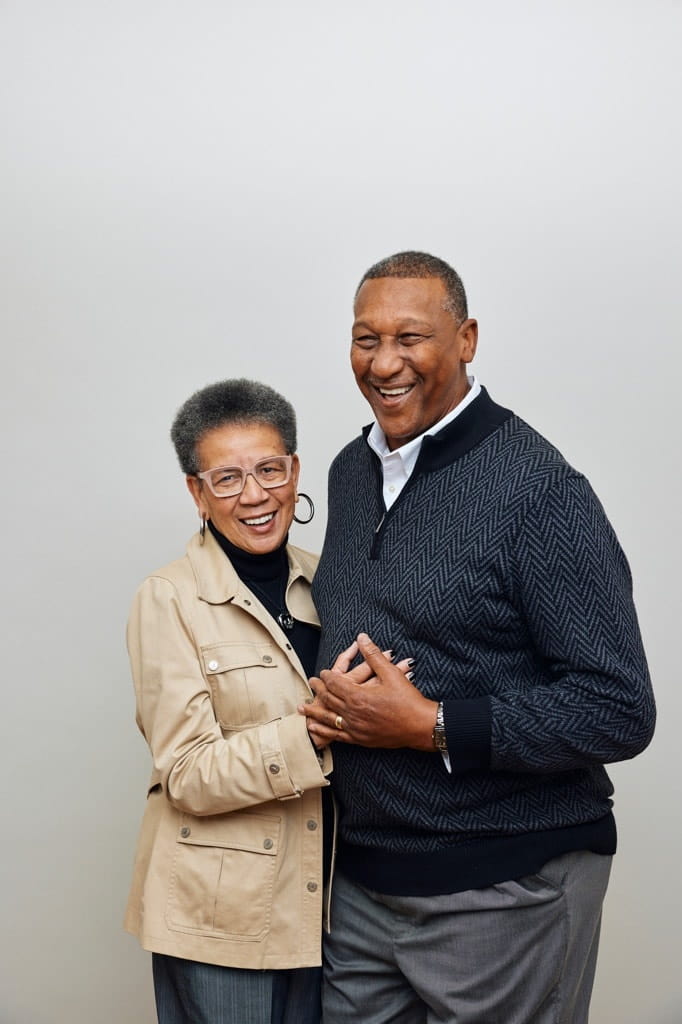 Photo courtesy of PAN Foundation
Allen emphasizes that being informed and proactive is essential, especially for individuals in underserved communities. From understanding your genetic risks to navigating environmental factors and accessing resources, he believes knowledge is power. His advice:
“I make sure my sons are aware of my prostate cancer and the importance of early detection. While I didn’t have the prostate cancer gene, my case likely resulted from environmental or dietary factors. Stress, chemicals, or other external elements can also play a role. It’s important to learn as much as you can about your condition and share that knowledge if you’re comfortable,” Allen concludes.
If you are looking for more information, Allen recommends the PAN Foundation’s resources, including their ComPANion Access Navigators program and hotline at 1-855-329-5969. The
Opening Doors to Clinical Trials
website is another excellent resource, offering a wealth of information about ongoing trials and their potential benefits.


By subscribing, you consent to receive emails from BlackDoctor.com. You may unsubscribe at any time. Privacy Policy & Terms of Service.