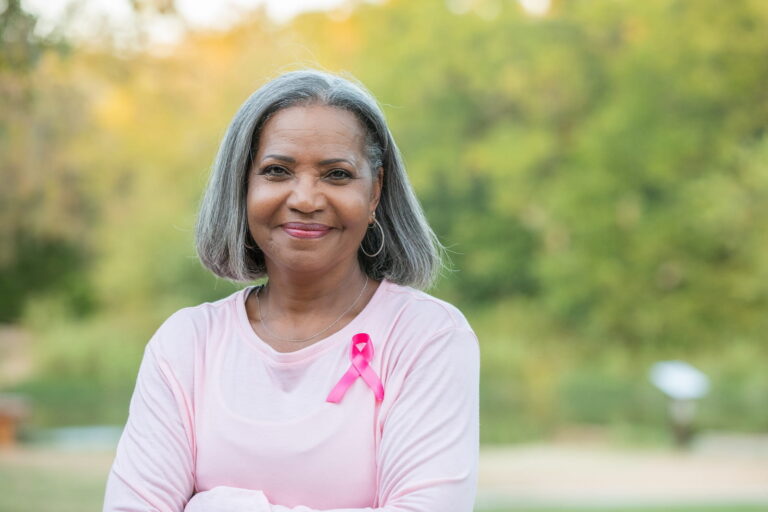
Heart disease and breast cancer are two of the most significant health threats facing women today. For Black women, these conditions often intersect in ways that amplify their risks. While they may seem unrelated, emerging research reveals a silent connection between heart and breast health, driven by overlapping risk factors, systemic disparities, and the unique challenges Black women face in accessing timely and effective care.
Heart disease and breast cancer are often considered separate health issues, but they share significant links. These connections are particularly important for Black women, who are more likely to develop both conditions at younger ages and with more severe consequences.
Several factors contribute to both heart disease and breast cancer risk, including:
The treatments for breast cancer, including chemotherapy and radiation therapy, can also have cardiotoxic effects, increasing the risk of heart disease. For example:
For Black women, who are often diagnosed at more advanced stages of breast cancer, these treatments are administered at higher intensities, compounding their risk of developing heart disease.
Studies suggest that women who survive breast cancer are more likely to die from heart disease than cancer itself. This is particularly relevant for Black women, who have lower survival rates due to late-stage diagnoses and limited access to follow-up care.
Understanding the interplay between heart and breast health is essential for developing strategies to reduce the dual burden of these conditions.
Black women are 40 percent more likely to die from breast cancer compared to white women despite having similar incidence rates. This disparity is largely due to late-stage diagnoses, which reduce treatment options and survival chances.
Contributing Factors:
RELATED: 5 Ways to Lower Your Heart Disease and Breast Cancer Risk at the Same Time
The health disparities that lead to late-stage breast cancer diagnoses also play a role in the higher prevalence of heart disease among Black women. For example:
Heart disease and breast cancer risks often form a vicious cycle for Black women. Preexisting heart conditions can complicate cancer treatment, while cancer treatments can exacerbate cardiovascular issues. Without integrated care, these overlapping risks are often overlooked, leaving Black women vulnerable to poor outcomes.
To address the dual burden of heart disease and breast cancer, a more integrated approach to care is essential. This means looking at women’s health holistically, recognizing the connections between conditions, and addressing systemic barriers that disproportionately affect Black women.
Healthcare providers need to collaborate across specialties to ensure comprehensive care. For example:
2. Culturally Competent Care
Culturally competent care acknowledges the unique challenges Black women face and incorporates their cultural, social, and economic contexts into treatment plans. This includes:
3. Accessible Preventive Services
Preventive care is key to reducing the risks of both heart disease and breast cancer. Strategies include:
More research is needed to understand the unique health challenges Black women face. This includes studies on:
Education and awareness are critical to empowering Black women to take control of their health. This includes:
The intersection of heart disease and breast cancer presents a significant health challenge for Black women, but it also offers an opportunity to rethink how we approach women’s health. We can improve outcomes and save lives by recognizing the connections between these conditions, addressing systemic disparities, and promoting integrated care.
Black women deserve equitable, comprehensive care that acknowledges their unique challenges. It’s time to bridge the gap between heart and breast health and ensure that no woman has to choose between fighting cancer and protecting her heart.


By subscribing, you consent to receive emails from BlackDoctor.com. You may unsubscribe at any time. Privacy Policy & Terms of Service.