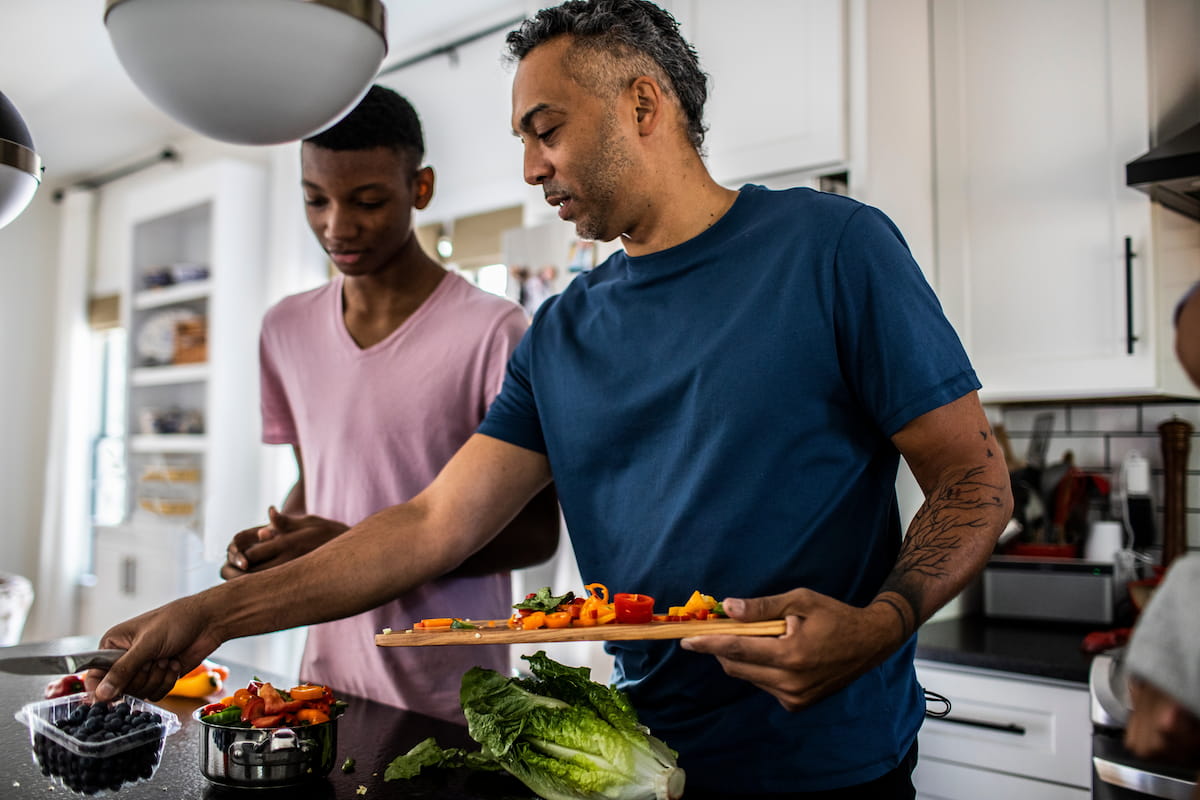
Turns out, eating your vegetables isn’t one-size-fits-all when it comes to your health.
New research suggests the veggies that best protect your heart could depend on your sex.
Researchers analyzed dietary data from more than 600 young adults in Australia and found clear differences between men and women.
Young men who ate more legumes — such as beans, lentils and peas — were significantly less likely to show early warning signs of heart disease, including high blood pressure, increased waist circumference, unhealthy cholesterol and elevated blood sugar.
Young women, meanwhile, saw the biggest benefit from cruciferous vegetables — like broccoli, cauliflower and cabbage — which were linked to fewer early warning signs of heart disease and type 2 diabetes.
Just one serving a day of the right vegetables was linked to a much lower health risk — even in people in their early 20s.
So why the split by sex?
“Our findings suggest that men and women may process some nutrients and plant compounds from vegetables differently,” said Therese O’Sullivan of the Edith Cowan University Nutrition and Health Innovation Research Institute in Australia.
RELATED: Is Your Child Eating Enough Fruits and Vegetables?
Many vegetables contain vitamins and minerals known to boost heart health.
These include:
“Many vegetables also contain a lot of water and fiber, which slow digestion and contribute to feelings of fullness,” said Tara M. Schmidt, M.Ed., RDN, LD, lead registered dietitian with The Mayo Clinic Diet.
Vegetables can help you feel full and are usually low in calories. This may help with weight loss, which can lower inflammation and support heart health.
“The volume-to-calorie ratio is also beneficial for those trying to lose weight. You can eat a large serving of vegetables for pretty minimal calories,” Schmidt added.
Given that Black Americans have higher rates of heart risks like high blood pressure and heart disease. Using these targeted vegetable strategies could help reduce health gaps and improve long-term wellness for Black men and women.
Many experts recommend dark leafy greens and brightly colored vegetables for heart health. But the study suggests that just focusing on the ‘best’ vegetables may not be the most effective way to support your heart.
“By fixating on just a few vegetables, you may end up omitting many other good options,” Schmidt says.
The Mayo Clinic points out that there are no ‘worst’ or ‘bad’ vegetables. The idea that ‘white foods aren’t healthy’ is a myth. Mushrooms, onions, and cauliflower all have heart-healthy compounds, according to Schmidt.
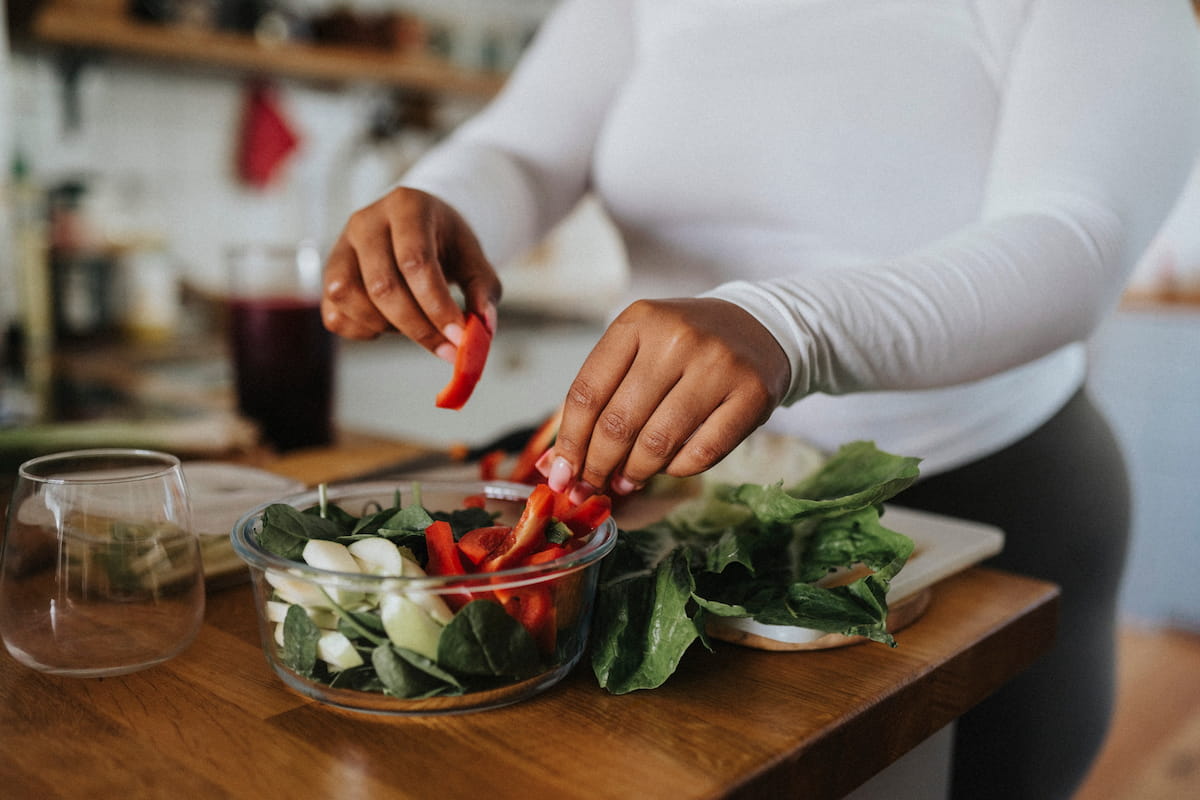
If you are not sure where to start, Schmidt has some tips for building a heart-healthy diet:
More research is needed, but scientists say these vegetables are affordable and easy to include in daily meals.
You might be surprised to learn that legumes are considered vegetables by the United States Department of Agriculture (USDA). So if you like beans, now is a great time to eat more of them.
Compounds in legumes may have a stronger effect on testosterone, while compounds in cruciferous vegetables may have a greater effect on female hormones like estrogen and progesterone.
RELATED: 3 Of The Most Powerful (But Overlooked) Vegetables On The Planet
Here are more of the top veggies recommended by the USDA:
| Dark Green Veggies | Red/Orange Veggies | Beans, Peas, Lentils | Starchy Veggies | Other Veggies |
| Arugula | Acorn squash | Black-eyed peas | Corn | Artichoke |
| Broccoli | Butternut squash | Black beans | Hominy | Avocado |
| Cilantro | Carrots | Chickpeas | Green peas | Bean sprouts |
| Mesclun | Pumpkin | Edamame | Jicama | Beet |
| Spinach | Red peppers | Fava beans | Parsnips | Cabbage |
| Turnip greens | Orange peppers | Kidney beans | Taro root | Cauliflower |
| Chard | Sweet potatoes | Lentils | Yams | Celery |
| Collard greens | Tomatoes | Lima beans | Cassava | Cucumber |
| Kale | Winter squash | Mung beans | Water chestnuts | Leek |
| Swiss chard | Pinto beans | Okra | ||
| Watercress | Split peas | Rutabaga | ||
| Soybeans | Seaweed | |||
| White beans | Yellow squash | |||
| Zuccini |
If you are still unsure where to start, Schmidt suggests dividing vegetables into two groups:
If you are ready to start a heart-healthy diet with more fruits and vegetables, try adding some creativity and experimentation. Here are Schmidt’s tips:
The study appears in the August issue of the journal Nutrition, Metabolism and Cardiovascular Diseases.
In the end, you do not need to completely change your diet to eat for heart health. Whether you add a side of lentils or roast some broccoli, just one extra serving of your favorite vegetable each day is an easy and affordable way to support your long-term health. This shows that a little personalization can make a big difference in nutrition.


By subscribing, you consent to receive emails from BlackDoctor.com. You may unsubscribe at any time. Privacy Policy & Terms of Service.