Neuromyelitis optica spectrum disorder (NMOSD) is a rare autoimmune condition that can feel like a storm crashing through your body. Primarily targeting the optic nerves, spinal cord, and brainstem, it brings challenges like vision loss, muscle weakness, or numbness that can turn daily life upside down.
If you or someone you love is navigating NMOSD, you know the weight of those symptoms—and the longing for relief.
The good news is, things are changing.
While traditional medicines like immunosuppressants are critical for managing NMOSD, natural approaches can complement them beautifully, offering a holistic boost to your treatment plan. From lion’s mane mushrooms to pulsed electromagnetic field (PEMF) therapy, these five naturopathic remedies all support significant healing.
Let’s explore how these strategies, grounded in science and practical for everyday life, can help you reclaim control and feel more like you.
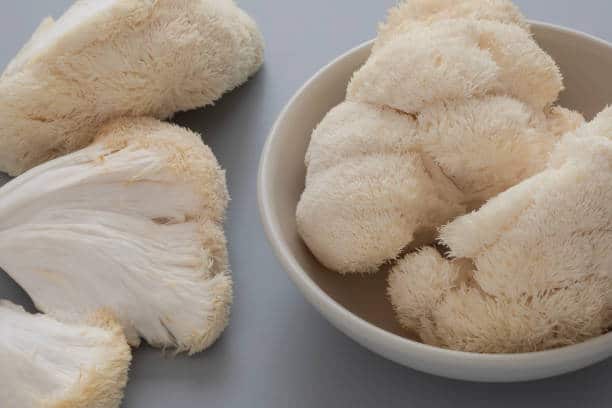
Imagine a mushroom that looks like a fluffy lion’s mane and might just help your nerves heal. Lion’s mane (Hericium erinaceus) is a funky-looking fungus with a growing reputation for supporting nerve repair—a big deal for NMOSD, where optic and spinal nerve damage is central. Packed with compounds like hericenones and erinacines, lion’s mane may stimulate nerve growth factor (NGF), which supports neuron repair.
In fact, many suggest lion’s mane can improve nerve regeneration in animal models by up to 20 percent.
For NMOSD patients, this could mean better support for damaged optic nerves or spinal cord tissues. And it’s not hard to find. You can buy lion’s mane in capsules, powders, or even as a tea—blend a scoop of powder into your morning smoothie for a nutty, earthy kick.
Start with 500–1000 mg daily, and check with your doctor, as it may interact with NMOSD meds. Although it’s not a cure, it’s like giving your nerves a gentle nudge toward recovery.
RELATED: NMOSD: Life After Diagnosis
NMOSD flare-ups often come with stress, and that’s where ashwagandha, an ancient adaptogenic herb, steps in. Known as “Indian ginseng,” ashwagandha helps balance cortisol levels, reducing the stress that can trigger or worsen symptoms. For NMOSD patients, managing stress is key, as it may help calm the immune system’s overactivity.
Research from the Journal of Alternative and Complementary Medicine found that ashwagandha reduced cortisol by 25 percent and improved fatigue scores in autoimmune disease patients. It’s available as capsules, tinctures, or powders.
To begin, try stirring 300–600 mg into warm milk for a cozy bedtime ritual. The calming effect can also ease NMOSD-related brain fog or muscle tension.
Consistency is everything, so take it daily, but consult your neurologist to ensure it complements your meds.
Low-dose naltrexone (LDN) might sound like a mouthful, but it’s a simple, off-label approach with big potential. Originally used in higher doses for opioid addiction, LDN (1–4.5 mg) works differently. Basically, it helps regulate the immune system by boosting endorphin production and reducing inflammation.
Given that NMOSD causes the immune system to attack healthy tissues, this could be a game-changer.
Some studies even suggest that LDN could reduce autoimmune symptom severity by 15 to 20 percent in certain patients. It’s typically taken at night, as it may cause vivid dreams or mild headaches at first. Work with a doctor to start low (around 1 mg) and adjust slowly.
While LDN isn’t a replacement for traditional NMOSD therapies, it does support other treatments, helping your body find balance. Curious? Ask your healthcare provider if it’s a fit for you.
RELATED: 9 Ways to Ease The Pain of NMOSD
Ever thought about using magnetic fields to soothe your symptoms?
Pulsed electromagnetic field (PEMF) therapy uses low-frequency electromagnetic waves to stimulate cell repair and reduce inflammation. For NMOSD patients, this could mean less pain or better nerve function, especially in the spinal cord or brainstem.
One study in Bioelectromagnetics found that PEMF therapy improved nerve conduction and reduced pain by 30 percent in patients with neurological conditions. Devices range from portable mats to wearable patches. And all you need to do is use one for 20–30 minutes daily, ideally during a quiet moment like reading or meditating.
Some clinics offer professional PEMF sessions, but at-home devices are increasingly affordable.
Check with your doctor, as PEMF isn’t recommended for those with pacemakers or certain NMOSD complications.

Your gut might not be the first thing you think of with NMOSD, but it’s a powerhouse for immune health. Lactobacillus rhamnosus GG (LGG), a well-studied probiotic, supports the gut-brain axis, potentially reducing inflammation that fuels NMOSD symptoms. A healthy gut can also improve nutrient absorption, which is crucial when you’re managing a chronic condition.
Turns out, LGG reduces inflammatory markers noticeably in autoimmune patients and improves fatigue as well. You can find LGG in yogurt, kefir, or capsules. Just make sure you aim for 10–20 billion colony-forming units (CFU) daily.
You can even try a probiotic smoothie with berries and yogurt for a tasty morning boost.
Probiotics are generally safe, but NMOSD patients on immunosuppressants should consult their doctor to avoid rare risks.
And remember, you’re not alone. Although living with NMOSD can feel like a lonely road, community support can light the way. Groups like the Guthy-Jackson Charitable Foundation offer online forums and in-person events where you can swap tips—like the best lion’s mane brand or how to fit PEMF into your routine.
Research shows that support groups reduce feelings of isolation and boost treatment adherence, which can indirectly ease NMOSD symptoms.
Join a virtual meetup or check out events like NMOSD Awareness Day walks, which raise funds for research. Peer mentorship programs can also connect you with survivors who’ve tackled similar challenges. It’s not just about sharing—it’s about finding hope and practical ideas that make a difference.
At the end of the day, NMOSD doesn’t have to define you. Alongside traditional medicines, these five natural remedies—lion’s mane mushrooms, ashwagandha, low-dose naltrexone, PEMF therapy, and LGG probiotics—offer a holistic boost to your treatment plan.
No need to rush. Start small, maybe with a soothing ashwagandha tea or a daily probiotic, and build from there. Lean on your community, talk to your doctor, and don’t be afraid to explore these cutting-edge approaches.
And if you’re feeling down on yourself? Simply think of each step as a victory, bringing you closer to a life with less pain and more possibilities. NMOSD can certainly be challenging at times, but it isn’t who you are.
The power, truly, is in your hands.


By subscribing, you consent to receive emails from BlackDoctor.com. You may unsubscribe at any time. Privacy Policy & Terms of Service.