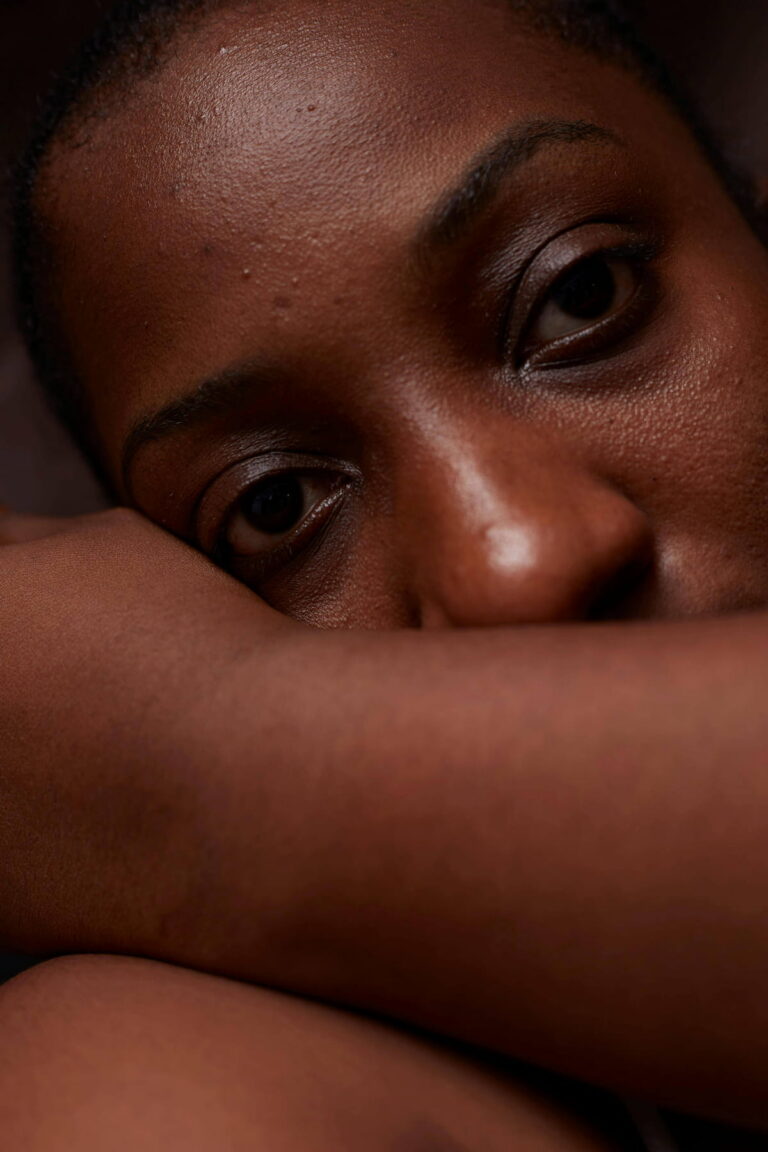
There is evidence that mothers diagnosed with gestational diabetes have an elevated risk of developing postpartum depression symptoms.
Gestational diabetes is a type of diabetes that can develop in the late stages of pregnancy in women who don’t already have diabetes. Gestational diabetes occurs most frequently among Black, Latina, and American Indian women. Although this form of diabetes usually goes away after the baby is born, a woman who has had gestational diabetes has a 20 to 50 percent chance of developing type 2 diabetes in the next five to 10 years. She’s also more likely to develop type 2 diabetes later in life. Every year, 2 to 10 percent of pregnancies in the United States are affected by gestational diabetes.
Postpartum depression symptoms are experienced by 10-15 percent of women after childbirth. Postpartum depression is much more severe than the “baby blues”—a term used to describe the feelings of worry, unhappiness, and fatigue that many women experience after having a baby. Baby blues, which affect up to 80 percent of mothers, include feelings that are somewhat mild, last a week or two and go away on their own. Mood swings, crying spells, anxiety, and difficulty sleeping are other symptoms of the “baby blues.”
With postpartum depression, feelings of sadness and anxiety can be extreme and might interfere with a woman’s ability to care for herself or her family. Because of the severity of the symptoms, postpartum depression usually requires treatment. The condition may begin shortly before or any time after childbirth but commonly occurs between a week and a month after delivery.
Studies show that women diagnosed with gestational diabetes have a 70% increased risk of postpartum depression.
Postpartum depression does not have a single cause, but likely results from a combination of physical and emotional factors. Black and Latina women are also at increased risk for postpartum depression due to environmental factors. Alyce Thomas, RDN, a Nutrition Consultant in the Department of Obstetrics and Gynecology at St. Joseph’s Health in New Jersey says “Black women, as well as Latinas, are at greater risk because of lack of social support, lower-income, access to care, and are less likely to seek treatment because of stigma attached to mental illness.”
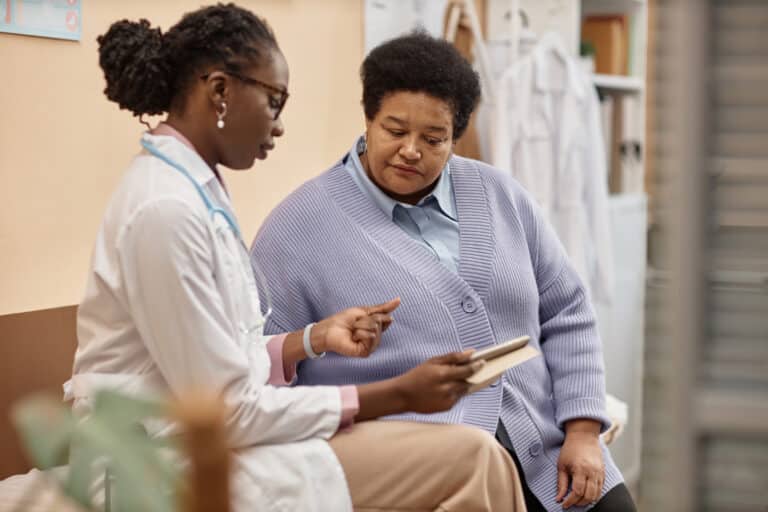
While gestational diabetes increases the risk for type 2 diabetes and postpartum depression, there are steps a woman can take to reduce risks. Thomas says one of the most important factors to minimize the risk for type 2 diabetes is screening after the birth of your baby. “Every woman who developed gestational diabetes should have a 75-gram, 2-hour oral glucose tolerance test, at 6-12 weeks postpartum,” says Thomas.
The oral glucose tolerance test is similar to the blood test used to find out whether or not you had gestational diabetes. The results will tell if your blood glucose levels have returned to normal and your risk of getting diabetes in the future.
Getting checked for diabetes is important because type 2 diabetes shows few symptoms. The only way to know for sure that you don’t have type 2 diabetes is to have a blood test. “Unfortunately, most women do not return for this important screening test,” says Thomas. Keeping your weight within a healthy range and keeping up regular, moderate physical activity after your baby is born can also help lower your risk for type 2 diabetes.
Postpartum depression can affect any woman regardless of age, race, ethnicity, or economic status. Because gestational diabetes may increase your risk of depression, it’s important to be screened for postpartum depression. Many states mandate postpartum depression screening in all women when they return for their initial postpartum visit.
Thomas says, “At my facility, the Edinburgh Postpartum Depression Scale is used. This simple test consisting of 10 questions, is administered by the social worker. Based on the score of these questions, a woman may be identified at risk for postpartum depression.”
If you are diagnosed with postpartum depression, it’s essential to get treatment as soon as possible. In addition to medicine and talk therapy, self-care strategies may help you feel better. These include:
-Asking your partner or other loved one to help care for the baby
-Talking to other adults
-Taking a little time for yourself every day
-Getting regular exercise
-Going outside for fresh air when weather permits
To learn more about gestational diabetes, click here, and for information on postpartum depression, click here.
For specific questions regarding gestational diabetes or postpartum depression, you should contact your health care provider.

Constance Brown-Riggs, is a registered dietitian, certified diabetes educator, national speaker and author of the Diabetes Guide to Enjoying Foods of the World, a convenient guide to help people with diabetes enjoy all the flavors of the world while still following a healthy meal plan. Follow Constance on social media @eatingsoulfully


By subscribing, you consent to receive emails from BlackDoctor.com. You may unsubscribe at any time. Privacy Policy & Terms of Service.