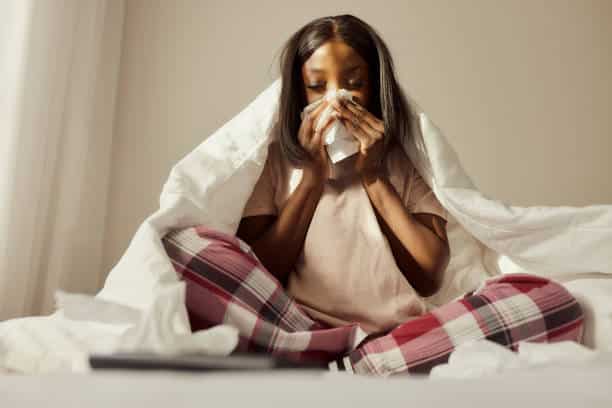
Flu season is here, and with cases rising across the country, it’s more important than ever to take steps to protect yourself and your loved ones. The flu can spread easily, causing mild to severe illness and, in some cases, serious complications.
Dr. Priya Soni, a pediatric infectious disease specialist at Cedars-Sinai Guerin Children’s Health Center in Los Angeles, shares insights on what to expect this flu season and how to stay healthy amid circulating viruses.
Flu season typically runs from October through March, with peak activity occurring in January and February. This year’s flu activity is similar to last season, with cases steadily increasing across the country. Health officials are monitoring trends closely, especially as flu cases often surge alongside other respiratory illnesses like COVID-19 and respiratory syncytial virus (RSV).
The flu can strike suddenly, leaving people feeling exhausted and unwell for days. Symptoms of the flu include:
RELATED: Bird Flu: What You Need to Know and How to Stay Safe
While many of these symptoms overlap with other respiratory viruses, the flu is known for its rapid onset and intense body aches that often make people feel significantly worse compared to a common cold.
Certain groups of people are more vulnerable to severe flu complications, including:
For these individuals, the flu can lead to serious complications such as pneumonia, hospitalization, and even death, making preventive measures crucial.
For most people, the flu can be managed at home with rest, fluids, and over-the-counter medications to ease symptoms. However, some cases require medical attention, especially if symptoms worsen or do not improve.
Seek medical care if you experience any of the following:
For high-risk individuals, antiviral medications like Tamiflu or Relenza may be prescribed to reduce the severity and duration of the illness. These medications work best when taken within the first 48 hours of symptoms, so early medical evaluation is essential.
Absolutely not! It’s never too late to get vaccinated.
“The flu vaccine reduces the severity of illness and lowers the risk of complications, especially for high-risk individuals such as young children, pregnant women, the elderly, and those with chronic medical conditions,” Soni said in a news release.
Each year’s flu vaccine is designed to target the most common strains circulating at the time. While no vaccine is 100% effective, getting vaccinated can still lessen the severity of the illness and significantly reduce the risk of hospitalization.
Even if you’ve already had the flu this season, getting the flu shot can still be beneficial, as multiple strains of influenza circulate throughout the winter.
Aside from the flu, norovirus is another major concern during the winter months. Often called the “stomach flu” (though it’s not actually related to influenza), norovirus is a highly contagious virus that causes:
Norovirus spreads through contaminated food, water, surfaces, and close contact with infected individuals. It is one of the leading causes of foodborne illness and outbreaks frequently occur in schools, nursing homes, cruise ships, and other crowded environments.
Unlike the flu, norovirus symptoms usually appear 12 to 48 hours after exposure and resolve within one to three days. However, dehydration can be a concern, especially for young children and older adults.
RELATED: Flu Season Is Here: Here’s What You Need to Know
To protect yourself from flu, norovirus, and other seasonal viruses, consider taking the following precautions:
Wash Your Hands Frequently – Proper hand hygiene is one of the best ways to prevent infection. Use soap and water for at least 20 seconds, especially after using the restroom, before eating, and after being in public places.
Avoid Touching Your Face – Viruses can enter the body through the eyes, nose, and mouth. Try to avoid touching your face, especially when out in public.
Stay Home When Sick – If you’re experiencing symptoms of the flu or norovirus, stay home to prevent spreading the illness to others.
Disinfect Frequently-Touched Surfaces – Norovirus and flu viruses can linger on surfaces, so disinfect high-touch areas like doorknobs, countertops, and shared electronics.
Wear a Mask in High-Risk Settings – “Wearing a mask is of utmost importance … to prevent the spread of respiratory infections in this critical time period during the winter,” Soni said. This is particularly helpful in crowded indoor spaces and for individuals at high risk of complications.
Cover Coughs and Sneezes – Use a tissue or your elbow to cover sneezes and coughs to prevent spreading germs.
Get Vaccinated – The flu vaccine remains the best defense against severe influenza-related complications. While it may not prevent the flu entirely, it reduces the risk of hospitalization and death.
Stay Hydrated and Eat a Healthy Diet – Keeping your immune system strong with a balanced diet, plenty of water, and adequate sleep can help your body fight off infections more effectively.
With flu season in full swing and norovirus outbreaks on the rise, taking preventative measures is more important than ever. Whether through getting vaccinated, practicing good hygiene, or staying mindful of symptoms, small actions can make a big difference in protecting yourself and those around you.
If you or a loved one develop severe flu symptoms, don’t hesitate to seek medical care, especially if you’re in a high-risk group.
For more information on flu treatment and prevention, visit the U.S. Centers for Disease Control and Prevention (CDC) website.


By subscribing, you consent to receive emails from BlackDoctor.com. You may unsubscribe at any time. Privacy Policy & Terms of Service.