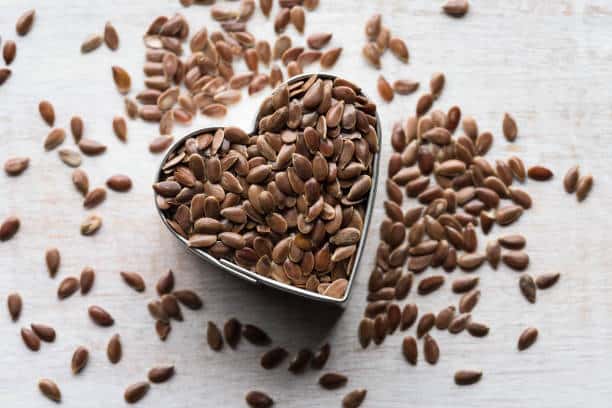
For something so small, flaxseed has big benefits. Recent studies have shown that flaxseed, known to the world for thousands of years, may aid in lowering cholesterol, stabilizing blood sugar, reducing bone loss, promoting weight loss, increasing immunity, and fighting cancer.
MUST READ: 10 Cancer Symptoms Men Ignore
Flaxseed is high in:
The soluble fiber in flaxseed has been shown to lower cholesterol, helping to prevent the buildup of plaque, which can clog arteries and lead to high blood pressure, stroke, or heart attack. Fiber is also believed to lower blood sugar levels, which is important for people who have type 2 diabetes.
A study of diabetic rats showed a delay in bone loss after they were fed flaxseed, thanks to its concentration of fatty acids.
Flax expands when ingested, making you feel fuller. You might want to take flax 30 minutes before meals to control your appetite.
The fiber in flaxseed can help relieve constipation and make you more regular.
ALA has been shown to decrease inflammation, which allows your immune system to function better. Preliminary research suggests that flaxseed can help relieve autoimmune and inflammatory disorders such as rheumatoid arthritis, psoriasis, and lupus.
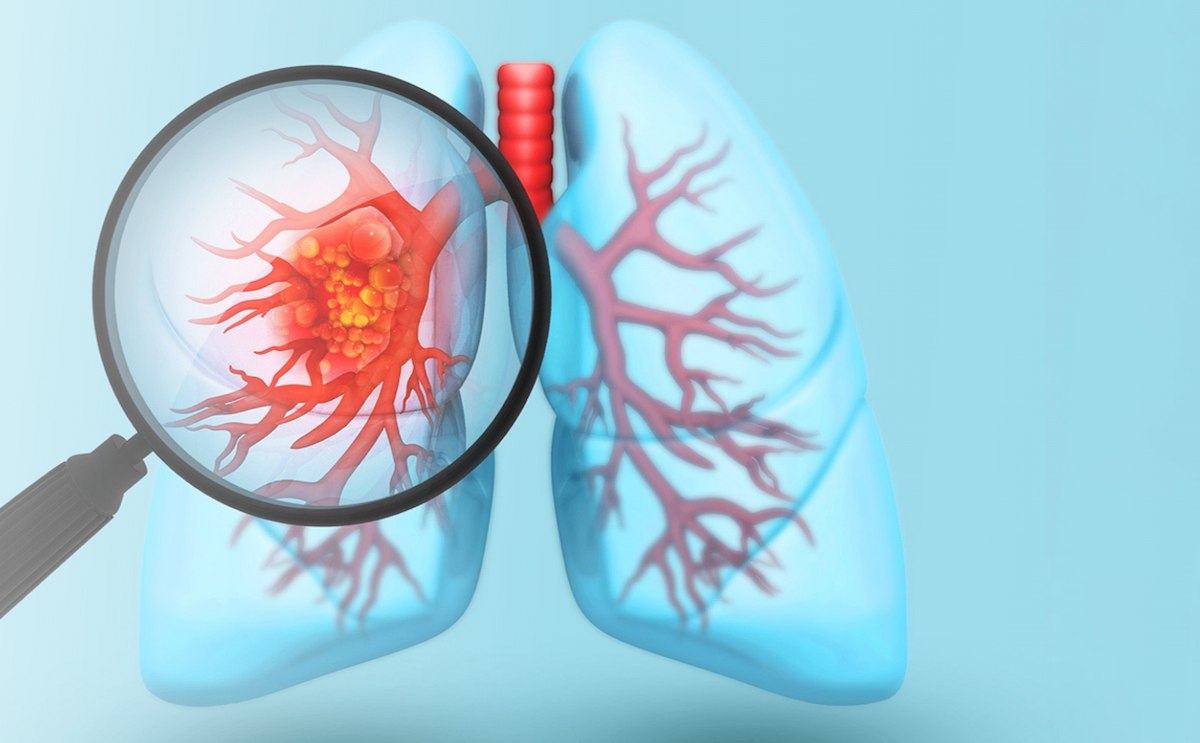
Studies show that flaxseed may have a role in fighting cancer, particularly colon and breast cancer. The benefit is based on its high concentration of lignans, which are believed to inhibit tumor growth.
Despite all the good research about flaxseed benefits, false claims about flaxseed do exist and more research is needed. According to experts, fish oil, and its omega-3s, are still more beneficial.
There are other cautions. People who have inflammatory bowel conditions, like Crohn’s disease, should avoid flaxseeds due to
their laxative effects. Women who are pregnant and mothers who are breastfeeding should not consume ground flaxseed either. Studies also show that women who have issues like fibroids, endometriosis, and polycystic ovary disease should not eat flaxseed. And men who have an increased risk of prostate cancer should avoid ALA. If you are taking medications, check with your doctor before adding flax to your diet.
Grown in Central Asia, North America, and Europe, flax is found on the shelves of many conventional and health food stores as ground flaxseed, as whole seed, or flaxseed oil. Flaxseed oil comes from cold-pressing the flaxseed. Flaxseed oil is available as organic or conventional. The difference is the way the flax is grown. Flaxseed oil — the fat part of the plant — is richer in ALA than whole flaxseed.
MUST READ: 10 Things Professional Hairstylists Want You To Stop Doing To Your Hair
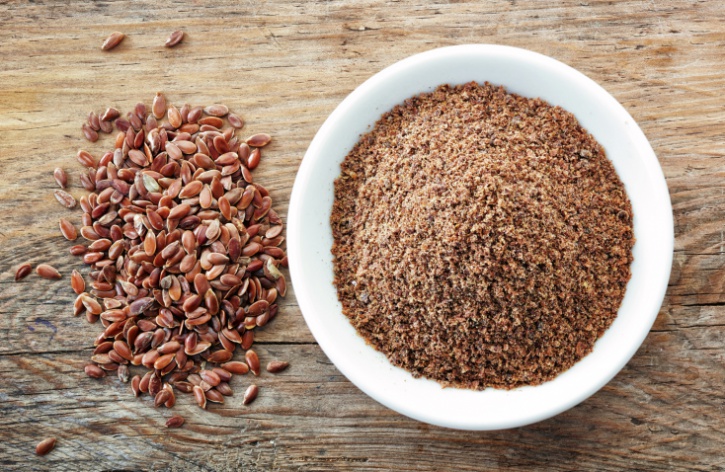
Buy it whole, then grind it before you use it. Because flax is a seed that contains fat, purchasing a product that is already ground could make the fat prone to oxidation. You can easily grind it in a coffee grinder, food processor, or blender, and decide on coarse or fine — it’s a matter of preference (although most recipes call for it to be finely ground). Kept at room temperature, whole flaxseed should last more than a year. Ground flaxseed should be kept in an airtight container in the refrigerator; it should be good for about 90 days.
For most healthy adults, Metsovas recommends 1 tablespoon a day, and no more than ¼ teaspoon a day for young children. Because flaxseed is high in fiber, when adding it to your diet, start with small amounts and increase it slowly. A tablespoon of ground flaxseed has about 36 calories while a tablespoon of whole flaxseed has about 50 calories.
Flaxseed has a light, nutty taste. Here are some ways to add it to the foods you already eat and enjoy:
Flaxseed is a great way to get fiber and important nutrients into your diet. Experiment with it in your favorite recipes to boost their nutrition profile.


By subscribing, you consent to receive emails from BlackDoctor.com. You may unsubscribe at any time. Privacy Policy & Terms of Service.