Having a child is one of the most transformative experiences a human can have. It’s the beginning of a new journey, the start of something so unique, so wild and scary and exciting, that it’s almost impossible to explain. Unless you’ve been there, the only way to know is to experience it yourself.
Sadly, not everyone enjoys this miracle of life.
Nowadays, many women are struggling with reproduction. While the reasons are numerous, the end result is often the same: sadness, guilt, blame, and confusion over why it’s happening.
For many women in their peak reproductive years, a primary factor is something called Polycystic Ovary Syndrome (PCOS). This syndrome, characterized by challenges conceiving, irregular cycles, and unexplained hormonal shifts, is unfortunately all too common.
One of the most common endocrine disorders affecting women, PCOS impacts roughly 10–13 percent of women of reproductive age worldwide. It’s also the leading cause of what is called anovulatory infertility, where the ovaries fail to release an egg. In fact, PCOS contributes to 50–70 percent of such cases, and the scary thing? Nearly 70 percent of women globally don’t even know they have it!
With some 66 million women affected by the condition, it’s time we do something to address it. With targeted lifestyle changes and competent medical care, many women can and do restore hormonal balance. If the approaches work, they can regulate cycles, improve ovulation, and increase chances of conception.
Ready to make these changes?
RELATED: When Should You REALLY Start Worrying About Infertility?
Truth be told, PCOS is not a simple thing to explain.
It’s a complex condition where the exact cause to this day remains unclear. However, many experts and researchers do have an idea. Genetics, insulin resistance, and hormonal imbalances all play central roles. In many women, high levels of androgens, which are male hormones like testosterone, are believed to be a primary issue. When levels of these hormones are elevated, it can disrupt ovulation, which can then lead to irregular or completely missing periods.
Meanwhile, insulin resistance, when your body doesn’t respond properly to insulin, can intensify this problem. As a result, the androgen production ramps up, causing all kinds of other issues as well. In fact, many women suffering from PCOS also struggle with weight gain, metabolism issues, and other disruptions in their normal cycles.
Thankfully, there are standardized ways to diagnose PCOS. One of them is by using what is known as the Rotterdam criteria. These criteria are used internationally and require that a woman meet at least two of the three features for a diagnosis.
The criteria are as follows:
Unfortunately, it doesn’t end there. Other markers include elevated LH/FSH ratio, high anti-Müllerian hormone (AMH), fasting insulin/glucose abnormalities, and insulin resistance indices like HOMA-IR.
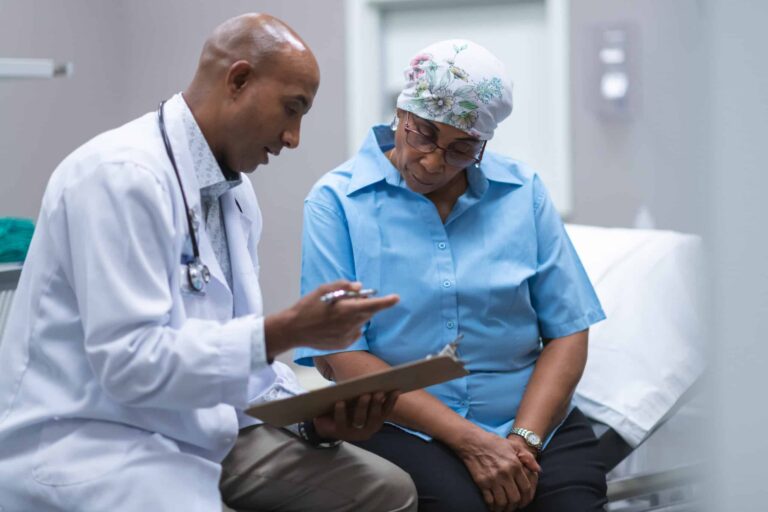
These aren’t terms you necessarily need to worry about. Your OB-GYN will conduct the proper tests and understand what to look for. Your main responsibility in all this is simply to note your symptoms, preferably with a daily journal.
Remember: early diagnosis matters. If untreated, PCOS can raise your risk of all kinds of conditions, including type 2 diabetes, heart disease, and endometrial issues, which affect your uterus.
With all this said, there are certainly ways you can address PCOS or potential PCOS.
RELATED: 10 Great Ways To Boost Your Fertility
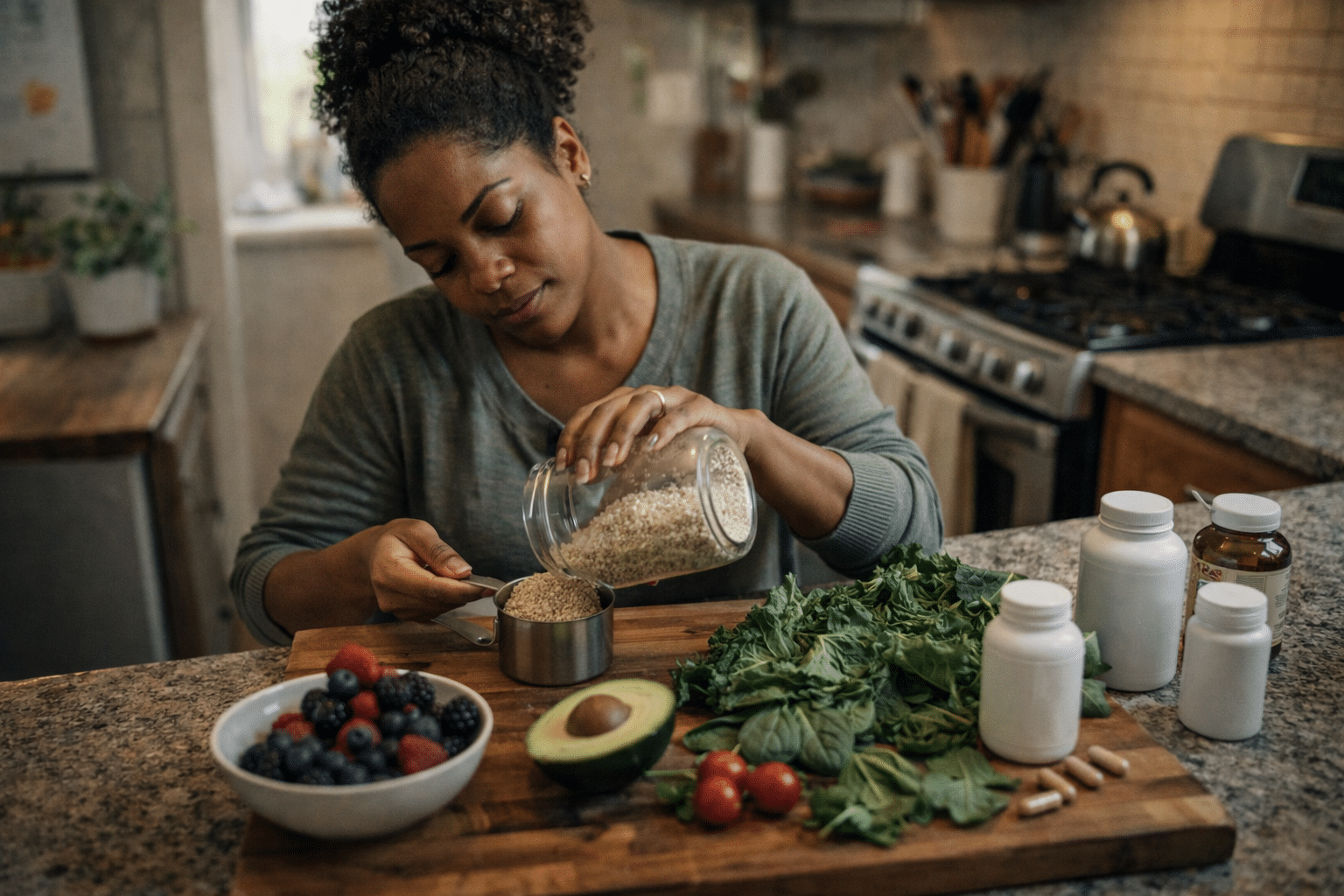
One of the most important and fundamental things you can do for self-care is to feed your body what it needs. Your nutrition is vital. Because insulin resistance drives many symptoms, it’s critical that you consume foods that don’t spike your blood sugar. By doing this, you can lower your androgen levels and support ovulation.
For starters, you need to swap foods that spike blood sugar for those that are digested and absorbed slowly. Begin by incorporating more foods like oats, quinoa, sweet potatoes, legumes, and non-starchy veggies, such as broccoli, spinach, and berries. If you can get these foods in your daily diet, they’ll release energy more slowly and curb your cravings and inflammation as well.
Next comes fat and protein. Fat often gets demonized, but your body really does need it – just the right kind. To do this properly, seek ‘healthy fats,’ which come from foods like avocados, nuts/seeds, olive oil, fatty fish, eggs, and lean poultry. These foods will make you feel full while also aiding in hormone production.
And finally, opt for anti-inflammatory foods. We’re talking about things like turmeric, green tea, and fiber-rich foods. When you ingest these components, your body is better able to handle oxidative stress, which causes damage throughout your body on the cellular and DNA level.
Turns out, oxidative stress is common in PCOS, so getting this under control is key.
The research is clear. Evidence shows that such diets improve menstrual regularity, reduce BMI, and enhance fertility markers. As long as you’re eating balanced portions and not overeating, you’ll be assisting your weight management as well.
But that’s not all. When it comes to what you put in your body, there’s one last thing you can do. Inositol, a critical supplement, is known to act as an insulin sensitizer. This will help with the insulin resistance common in PCOS, and has even been linked to better ovulation and pregnancy rates in women overall.
Although you should consult your doctor first, the typical dosing is between two and four grams of myo-inositol daily (often split), plus folic acid. Your OB-GYN will be able to personalize the supplementation right for you.
To tie it all together, it’s important that you also focus on your mind. Supplements and nourishing foods are obviously highly important, but you also want to control your stress. Chronic stress elevates cortisol, which worsens insulin resistance and excess androgen in women with PCOS. Fortunately, with some simple, gentle mindful movements, you can counteract these effects.
Yoga has actually been shown to have profound benefits. Systematic reviews indicate that it reduces menstrual irregularity, lowers hyperandrogenism, and addresses insulin resistance. Consider poses like butterfly (Baddha Konasana), Bridge, Cat-Cow, Cobra, and Sun Salutations. All of these can stimulate your reproductive organs, improving your circulation and balancing your estrogen and testosterone levels.
And don’t forget Qigong, an ancient Chinese system of breathwork and flowing movements. It complements yoga quite naturally, and is a scientifically-supported way to harmonize your hormones. Believe it or not, it’s a great practice for nurturing fertility without all the strain of other exercises. Just 20-30 minutes a day, a few times per week, is all you need.
So what are you waiting for?
If you’re looking for resources on all of this, just getting started and getting informed, you’ve got plenty of help. Social networks, forums, and groups are all over the place, with the top ones being myPCOSteam, PCOS Challenge, and AskPCOS.
You don’t need to feel powerless or alone. While living with PCOS and fertility concerns can feel heavy, all you need to do is start light. Build up from small, daily, consistent steps and embrace naturopathic remedies. Although medical options like ovulation induction or metformin are typical, they are greatly enhanced by the approaches outlined above.
Listen to your body, celebrate progress, and don’t give up. One day, that tiny little miracle of life can be yours too.


By subscribing, you consent to receive emails from BlackDoctor.com. You may unsubscribe at any time. Privacy Policy & Terms of Service.