Menu

Electrolytes 101: The Hidden Risks of Over-Hydrating

Table of Contents
overhydration

We’ve all heard the mantra: “Drink more water!”—but is more always better? While staying hydrated is essential for health, overhydration can become quietly dangerous, disrupting the delicate balance of electrolytes your body needs to function correctly. Sodium, potassium, calcium, and magnesium aren’t just buzzwords—they’re critical for everything from muscle movement to brain function. Drinking excessive amounts of water, especially during intense exercise or extreme heat, can dilute these vital minerals, leading to a range of symptoms that many people overlook. In this article, we’ll break down the hidden risks of over-hydration, how to recognize warning signs, and practical ways to keep your body’s electrolytes in balance.

The Dangers of Overhydration

While we often hear about the perils of dehydration, drinking too much water—or overhydration—can also pose serious health risks. Known medically as water intoxication or hyponatremia, this occurs when excess water dilutes essential electrolytes like sodium, causing cells (particularly in the brain) to swell. That swelling can escalate to serious complications such as nausea, confusion, seizures, coma, or even death.

Your kidneys play a central role in preventing overhydration, as they can typically excrete about 0.8 to 1 liter of fluid per hour. When intake exceeds that capacity, especially during prolonged or intense exercise, the risk of a dangerous electrolyte imbalance rises sharply. 

Featured on BlackDoctor

High-level cases are rare but real. One extreme example involved a landscaper in Texas who, after consuming nearly three gallons of water during a hot workday, exhibited symptoms resembling a heart attack—only to be diagnosed with water intoxication instead.

RELATED: Do You Really Need Alkaline, Electrolyte, or Flavored Water?

Symptoms of Imbalance to Watch Out For

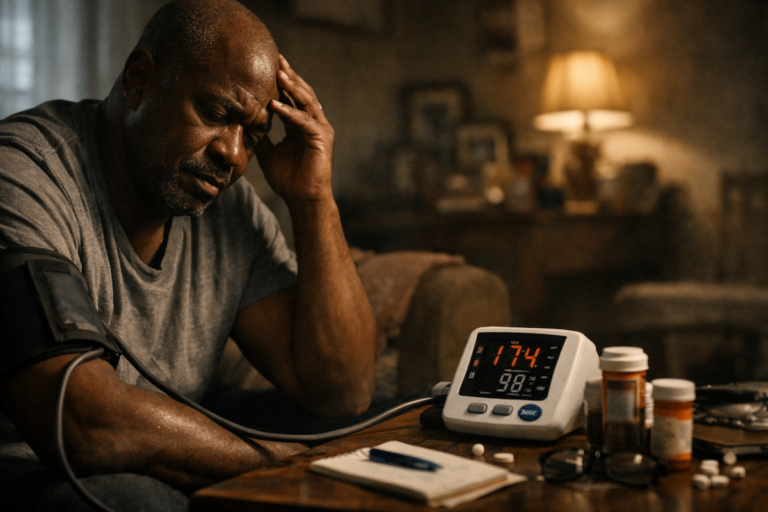
When electrolytes such as sodium, potassium, and magnesium become imbalanced—often because of overhydration—the body sends warning signs. Recognizing these early can help prevent more serious problems.

  • Headaches and Nausea: A sudden wave of headaches or feeling queasy may signal that your sodium levels are dropping too low (a condition called hyponatremia).
  • Muscle Cramps and Weakness: Electrolytes regulate the contraction and relaxation of muscles. Too much water can flush these minerals out, leaving you with spasms, twitching, or overall fatigue.
  • Confusion or Brain Fog: The brain depends heavily on sodium and potassium to send signals. Low levels can cause dizziness, trouble concentrating, or even disorientation.
  • Swelling in the Hands, Feet, or Face: Excess water can cause cells to swell, showing up as puffiness around the eyes or in extremities.
  • Irregular Heartbeat: Potassium and magnesium play key roles in regulating heart rhythm. An imbalance may trigger palpitations or a racing heartbeat.
  • Seizures in Severe Cases: In extreme instances of hyponatremia, the brain’s electrical activity is disrupted, leading to seizures or loss of consciousness.

When to See a Doctor

Electrolyte imbalances can range from mild and manageable to severe and life-threatening, so it’s important to recognize when professional help is needed. If you notice persistent confusion, severe fatigue, an irregular heartbeat, seizures, or sudden swelling, seek medical attention immediately. These can be signs of a serious condition, such as hyponatremia, that requires urgent evaluation and treatment.

Even if your symptoms seem less severe—like ongoing headaches, nausea, dizziness, or muscle cramps—it’s wise to consult a healthcare provider if they don’t improve after adjusting your hydration habits. Mild symptoms may indicate that your electrolytes are slightly off, but untreated imbalances can worsen over time.

Your doctor may perform blood tests to measure sodium, potassium, calcium, and magnesium levels and recommend personalized hydration strategies or dietary adjustments. In some cases, they may prescribe oral or intravenous electrolyte solutions to restore balance safely.

Additionally, people with underlying health conditions—including kidney disease, heart conditions, or certain hormonal disorders—should be especially vigilant. Even moderate overhydration or minor dietary changes can have a bigger impact on these individuals, making medical guidance crucial.

Bottom line: Listening to your body is key. Don’t ignore persistent or unusual symptoms, and seek medical advice promptly to prevent complications and maintain optimal health.

RELATED: Wait—Water Infusions Can Target Specific Health Issues?

Healthy Alternatives to Store-Bought Powders

You don’t always need a brightly packaged sports drink or pricey electrolyte mix to restore balance. Many everyday foods and drinks naturally provide the minerals your body needs, without the added sugars, dyes, or artificial flavors.

  • Coconut Water: Nature’s sports drink. It’s naturally rich in potassium and magnesium, making it a great option for gentle rehydration after workouts or hot days.
  • Fruit-Infused Water: Adding slices of oranges, lemons, limes, or even watermelon boosts flavor and provides a light dose of electrolytes like potassium. Plus, it makes plain water more exciting.
  • Bananas and Oranges: Both are portable, easy snacks that deliver potassium and vitamin C—perfect for a natural energy and hydration boost.
  • Homemade Electrolyte Drink: Mix water, a squeeze of lemon or lime, a pinch of sea salt, and a small drizzle of honey. This DIY option mimics the balance of sodium, glucose, and fluids your body needs without unnecessary extras.
  • Herbal Teas: Chamomile, hibiscus, or rooibos teas not only hydrate but also provide trace minerals. Sip hot or iced, depending on the season.
  • Soups and Broths: A simple miso soup, vegetable broth, or chicken broth provides both fluids and sodium, making it especially helpful if you’ve been sweating heavily or feeling under the weather.

Pairing water with mineral-rich snacks (like trail mix with nuts and dried fruit) can be just as effective as packaged electrolyte powders—while giving your body additional nutrients.

overhydration

How to Know What Your Body Needs

Understanding your hydration and electrolyte needs means listening to your body—and recognizing context:

  • If you experience vomiting, diarrhea, or intense sweating, your electrolyte needs increase significantly, and targeted rehydration may be necessary. 
  • Endurance athletes face particular risks of hyponatremia—even when drinking sports drinks—if fluid intake greatly exceeds sweating losses. Evidence from events like ultramarathons and marathons reveals severe cases and fatalities associated with overhydration. 

A balanced approach includes:

  • Drinking to thirst rather than forcing volumes
  • Monitoring urine color—aiming for light yellow or clear. Avoiding drinking more than about one liter per hour
  • Consulting a healthcare provider if underlying health issues (like kidney or heart conditions) are present, or if persistent thirst occurs.

Related Stories
Answer the question below
What actions have you taken regarding your leaky heart valve?

Get our Weekly Newsletter

Stay informed on the latest breakthroughs in family health and wellness. Sign up today!

By subscribing, you consent to receive emails from BlackDoctor.com. You may unsubscribe at any time. Privacy Policy & Terms of Service.
More from BlackDoctor

Where Culture Meets Care

BlackDoctor is the world’s largest and most comprehensive online health resource specifically for the Black community. BlackDoctor understands that the uniqueness of Black culture - our heritage and our traditions - plays a role in our health. BlackDoctor gives you access to innovative new approaches to the health information you need in everyday language so you can break through the disparities, gain control and live your life to its fullest.
✦ AI Search Disclaimer
This AI-powered search tool helps you find relevant health articles from the BlackDoctor.org archive. Please keep the following in mind:
✦ For Informational Purposes Only
The information provided through this AI search is for general educational and informational purposes only. It is not intended as a substitute for professional medical advice, diagnosis, or treatment.
✦ Always Consult a Healthcare Provider
Never disregard professional medical advice or delay seeking it because of something you have read through this search tool. If you have a medical emergency, call your doctor or 911 immediately.
✦ AI Limitations
This search tool uses artificial intelligence to help match your queries with articles in our archive. While we strive for accuracy, AI-generated results may occasionally be incomplete, outdated, or not fully relevant to your specific situation.
✦ No Doctor-Patient Relationship
Using this search tool does not create a doctor-patient relationship between you and BlackDoctor.org or any healthcare provider.
Explore over 35,000 articles and videos across black health, wellness, lifestyle and culture
Full AI Search Experience >
×

Download PDF

Enter your name and email to receive the download link.

BlackDoctor AI Search