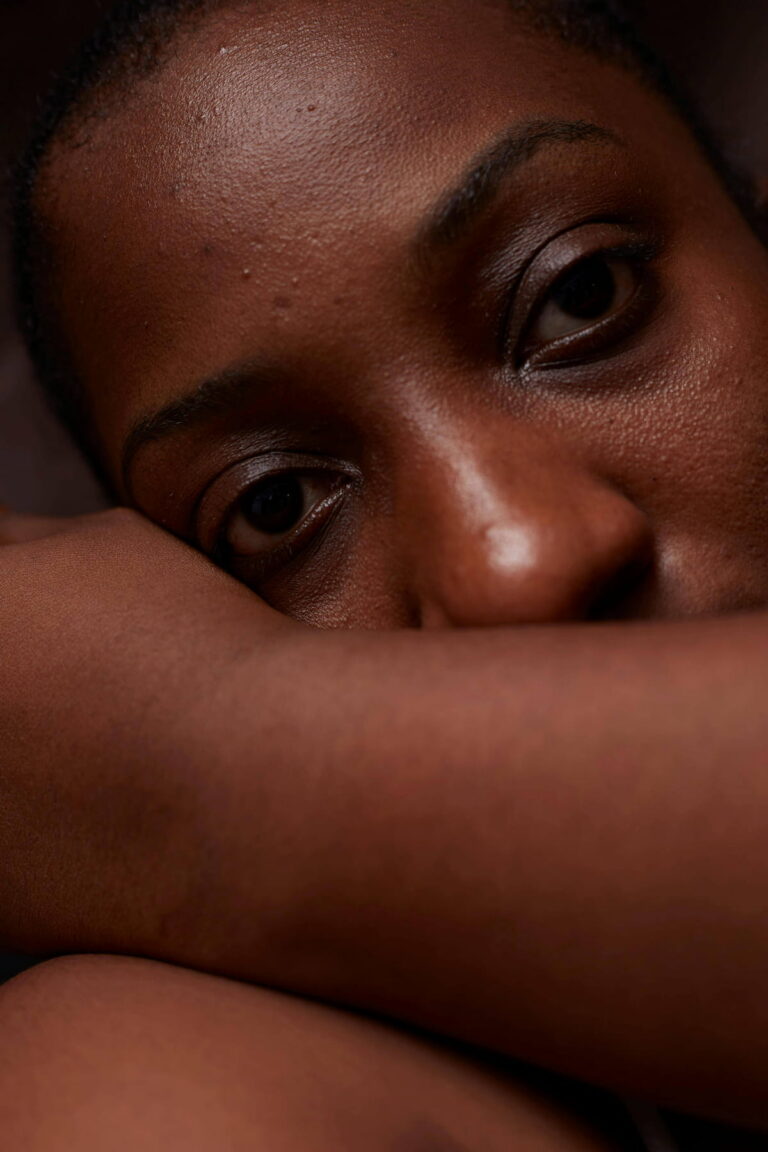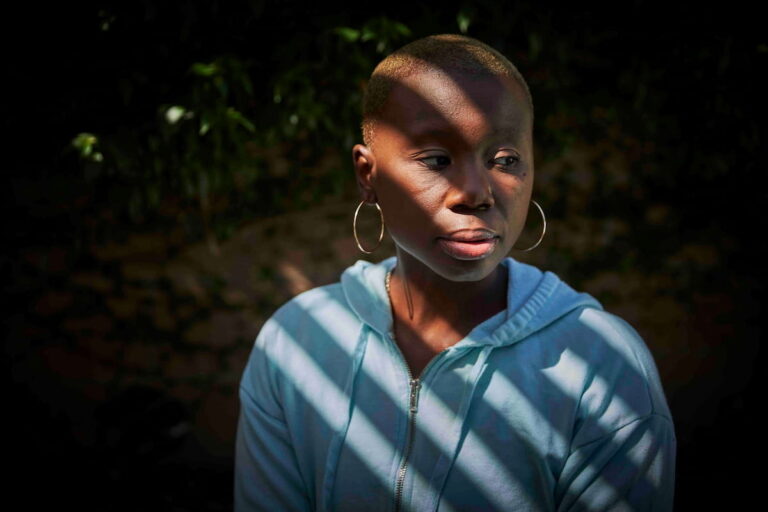
“Quite frankly, I’ve been depressed for most of my life,” says Latoya Shauntay Snell, of Brooklyn, who started menstruating at the age of 9.
“The earliest time that I can recall being depressed was around 9 or 10 years old,” Snell continues, who is now 32 years old. “I was diagnosed with mild depression when I was 20 years old. Post-partum depression came about when I was 22. It graduated to seasonal depression in 2008 and moderate-level depression after the weight gain, around 2011.” Snell is now a freelance chef, a photographer and a blogger for Running Fat Chef.
Little did she know, scientists have linked early onset of menstruation to depression during the teenage years, for some time now. A new study out today in Pedaitrics, however, shows that these effects can last well into adulthood. This higher rate of depression was seen in girls who started menstruating at age 10, and was even higher for those who started at age 8.
While boys and girls experience depression at the same rates before puberty, after puberty, the ratio is 2-to-1 female-to-male, explains Dr. Erikka Dzirasa, a child and adolescent psychiatrist in private practice in Durham, N.C., which suggests that female sex hormones, such as estradiol, can contribute to the onset of depressive disorders.
“There are also some studies that suggest girls who reach
puberty at an earlier age are more likely to be exposed to trauma, stress, and bullying, which can cause disruptions in cortisol and the hypothalamic-pituitary-adrenal axis, placing them at higher risk for the development of depressive disorders,” says Dzirasa.
African-American women may be at special risk. Data from the Pediatric Research in Office Settings, the National Health and Nutrition Examination Survey, and the Bogalusa Heart Study all show that African-American girls start menstruating earlier than their white counterparts – anywhere from a few months to almost a year sooner. As a result, according to Dzirasa, these women may also be at higher risk for developing depression.
“We know that African-American girls and young adults are less likely to be diagnosed or treated for psychiatric conditions due to factors such as stigma, lower access to resources, provider/diagnostic biases and other implicit biases,” explains Dzirasa. “This is why it is imperative for primary care providers to screen all girls, regardless of race or socioeconomic status, for such conditions.”
Overall, only 25 percent of African-Americans seek mental health care compared to 40 percent of whites, according to the National Alliance on Mental Illness, the disparity thought to be due to distrust and lower socioeconomic status. Snell’s experience was similar.
“I heavily frowned on speaking openly about my depression to doctors or therapists until my early twenties,” says Snell. “Back then, I conformed to the stereotype that black people don’t trust doctors and certainly don’t talk to therapists about your mental health issues. I told my gynecologist that I ‘felt off’ when I was 16 years old, but she never asked any further questions.”
Dzirasa says early puberty also predisposes girls to other influences that affect their mental health.
“I have found that females who have an earlier onset of puberty tend to be treated as though they are older than their peers, and they are also faced with higher expectations without
having the tools or skills to meet those expectations.”
Dzirasa adds that this population is also particularly vulnerable to having low self-esteem and poor body image.
For parents, Dzirasa suggests: “Talk to your daughters about puberty. Educate them about what is happening in their bodies and the different types of emotions they may experience as they go through puberty… We want them to feel as though they can openly talk to their parents and physicians about their bodies. Be available to them in a nonjudgmental way. Ask them about how they perceive themselves and their bodies.”
Snell says that these vulnerable girls and women also need their healthcare providers to listen. In her experience, once she finally did speak up, she didn’t feel heard.
“Despite going to several gynecologists, I was constantly recommended birth control pills to regulate my issues,” Snell explains. “When I complained that I felt depressed, I was greeted with
another type of birth control pill to take.”
With today’s new information, Dzirasa reminds primary care providers of their important role, especially for these women.
“Primary care providers are the first line and will encounter individuals with psychiatric conditions well before they come to a psychiatrist or a therapist,” says Dzirasa. “It is important for them to ask their patients and their parents about the onset of puberty and how it is impacting them from a physical and emotional standpoint.”
She adds that they should be screening for depressive disorders, anxiety disorders, trauma, eating disorders in youth – especially in those who have an early onset of puberty and to refer them for treatment if they meet criteria for these disorders.
Dr. Tyeese L. Gaines is a physician-journalist with nearly 16 years of print, online and broadcast experience. She is a practicing emergency medicine physician based in New Jersey and owner/media strategist for Doctor Ty Media, LLC.
Follow her on twitter at @doctorty


By subscribing, you consent to receive emails from BlackDoctor.com. You may unsubscribe at any time. Privacy Policy & Terms of Service.